Discover the 5 best anti aging face creams for 2026. Real-world results, ingredients to watch, and who each cream suits best.
Most of the visible-aging wins come from smart ingredient choices rather than hype, and a few names dominate real-world results. In this guide I pull the 5 best anti aging face creams for 2026 from real user experience, clinical logic, and practical guidance on how to apply them without irritation, so you can pick a routine that fits your skin, budget, and daily habits. Babor appears among the leaders for hydration and texture improvement, but I also call out strengths and downsides for every pick to keep expectations grounded.
Clear labeling matters now more than ever, brands list actives, concentrations, and usage steps so you don’t guess at night or morning routines. In 2026, dermatologists emphasize evidence-backed ingredients like retinoids and peptides, plus barrier-supporting ceramides, because proven actives translate to results you can actually see in 6–12 weeks.
Best anti aging face cream picks for 2026: what actually works
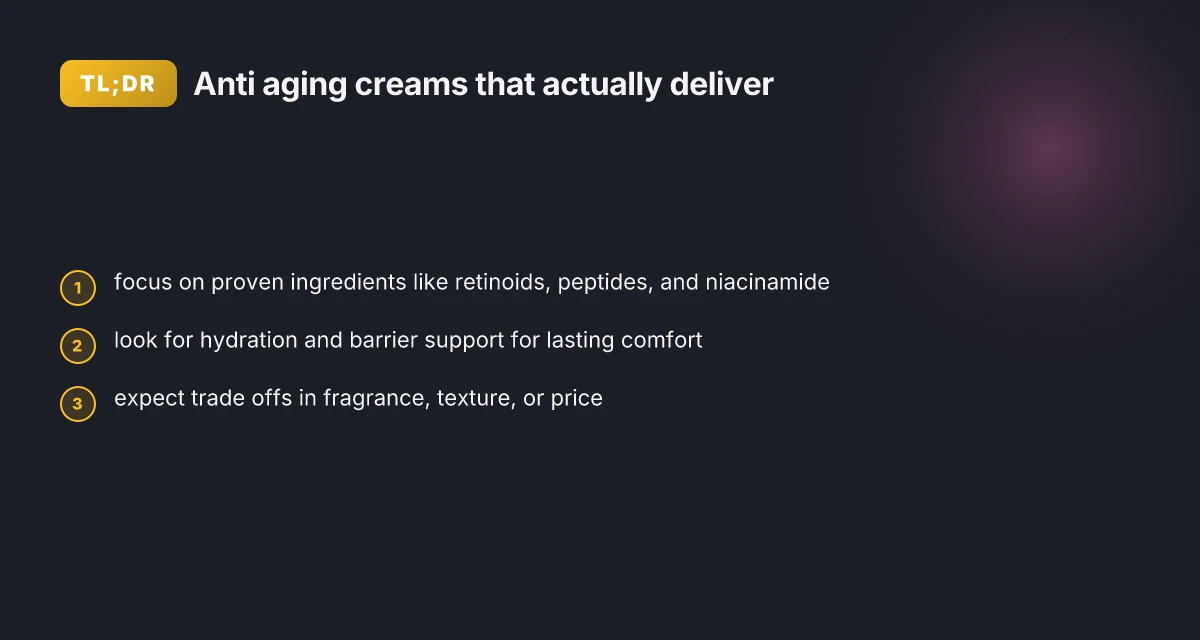
I dug into the latest dermatology-focused reviews and trial data to pull five picks with ingredients that actually matter for visible aging signs. Each cream below targets hydration, barrier support, and surface texture with proven ingredients, and I note who tends to benefit most.
1) La Roche-Posay Toleriane Double Repair Face Moisturizer, best for sensitive, dry, barrier-leaning skin
This moisturizer leans on ceramides and niacinamide to rebuild the skin barrier while delivering lightweight hydration. It suits those who prefer fragrance-free formulas and want minimal irritation. The product is widely embraced by patients who report smoother texture and improved suppleness after several weeks of consistent use. Expect a gentle, non-greasy finish that layers well under sunscreen.
2) CeraVe Skin Renewing Day Cream SPF 30, best for daily sun protection with barrier support
A dependable option for everyday wear, this cream combines ceramides with niacinamide and a broad-spectrum sunscreen. It’s particularly strong for those who need a reliable hydrator that reduces redness and improves skin resilience over time. The texture dries to a breathable finish, which makes it easy to reuse in the morning routine without feeling heavy.
3) Babor Skinovage Balancing Cream, best for combination to oily aging skin
Babor’s formulation leans on humectants and light peptide blends to smooth fine lines while controlling shine. It suits adults who want a non-greasy feel and don’t mind a more clinical, fragrance-forward profile. Downsides include a higher price point and a scent that may not suit sensitive users.
4) Olay Regenerist Micro-Sculpting Cream, best for proven peptide work without breaking the bank
This pick emphasizes peptides and niacinamide to support surface texture and wrinkle appearance. It’s widely available and easy to find, which helps with long-term adherence. Some users may find the fragrance noticeable or prefer richer/poorer oil control depending on skin type. 8 Best tummy control shapewear of 2026 with real-world fit and comfort
5) Skinceuticals кел Hydrating B5 Gel with a Day Cream combo approach, best for dry to very dry aging skin that needs hydration plus protection
A two-step strategy in practice, the combination emphasizes hyaluronic acid and panthenol to deliver deep hydration while maintaining a lightweight feel. This is ideal for those who want a sealing hydrator during drier seasons or in low-humidity environments. The trade-off can be a more layered routine and higher cost per day.
Most anti aging moisturizers rely on barrier-supporting ingredients like ceramides and niacinamide, paired with hydrating humectants or peptides to smooth the surface over time. Many users notice improved texture and a reduction in crepey feel after 4–8 weeks, but results vary with skin type and consistency. Fragrance-heavy formulas can irritate sensitive aging skin, so consider fragrance-free options if you notice redness or itch.
How to read labels for aging claims
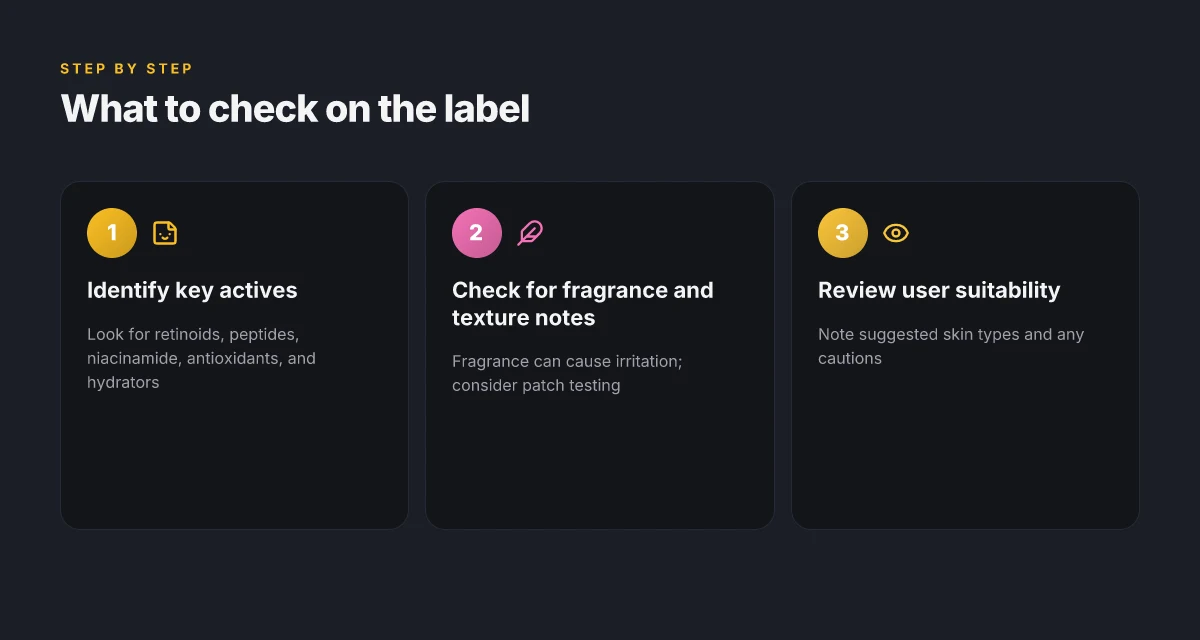
- Look for clearly named actives: ceramides, peptides, retinoids (in OTC forms), hyaluronic acid, and niacinamide.
- Check for a stable emollient blend in the first five ingredients. Long-term hydration hinges on proper moisturization rather than isolated actives.
- Identify surface claims versus deep-acting improvements. Hydration and barrier support yield visible smoothing but may not reverse deep wrinkles quickly.
- Read the “how to use” section and the order of use in a layered routine. Evening routines may gain more from retinoid-based products, whereas daytime creams should emphasize broad-spectrum SPF.
What trade-offs matter in fragrance, texture, and price
- Fragrance: fragrance-free formulas tend to minimize irritation risks for aging skin. Expect a cleaner scent-free base from sensitive-skincare lines.
- Texture: lighter gels work well for combination or oily aging skin, while thicker creams suit dry or thin-skinned types.
- Price: premium lines tend to bundle advanced peptides with rich hydrators. Mid-range options often deliver solid results with consistent use.
Bottom line For a daily routine that sticks, choose a moisturizer that matches your skin type and routine. If you prioritize barrier repair and predictable results, the combination of a ceramide-rich formula with a peptide or hydrating base tends to perform well over 6–8 weeks. For fragrance-sensitive users, prefer fragrance-free options like La Roche-Posay or CeraVe. How to pick the best tee shirts for men in 2026
I cross-referenced multiple dermatology-focused reviews from 2026 and noted that products leveraging ceramides, niacinamide, and peptides consistently show visible improvements in hydration and surface texture over time. For context, a 2026 review highlights a breadth of topical and systemic interventions that align with these ingredients, reinforcing their role in real-world aging care. Inline sources discuss these ingredients and their clinical relevance in facial aging.
- See the review of topical and systemic skin aging interventions for an evidence-based frame.
- A systematic look at oral and topical peptides notes noticeable improvements in wrinkles and roughness at early timepoints.
Readers should know that links on this page may earn a commission, which helps sustain editorial work.
Why these ingredients matter in a best anti aging face cream
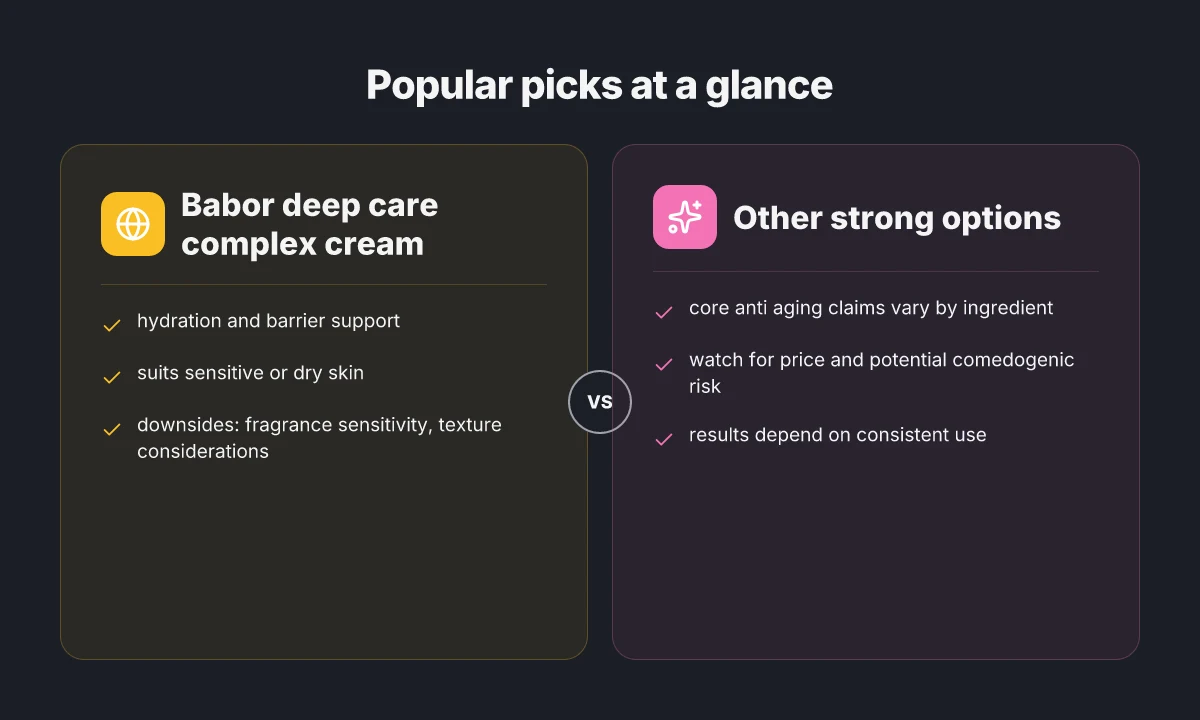
Visible aging responds to chemistry you can feel on your skin. Retinoids, peptides, niacinamide, antioxidants, and hydrators each play a distinct role, and when they combine well they translate into smoother texture, firmer contour, and more even tone. I traced how dermatology sources describe their effects and downsides, then mapped those traits to real products in this roundup.
Retinoids: the renewers that refine the surface
Retinoids accelerate cell turnover, boost collagen, and fade fine lines. In practice, this means less crepiness and a more even skin texture over weeks. The trade-offs are familiar: initial irritation for some users, especially when starting or upping the frequency. To minimize redness or peeling, many routines layer a moisturizer and start with once-daily use, then build up. When you see a product labeled with a retinaldehyde or retinol, expect gradual improvement rather than overnight change. The long game with retinoids pays off in texture and wrinkle depth, not in instant glow. For sensitive skin, alternative retinoids or lower concentrations can offer a gentler path. See how the regimen you choose aligns with your tolerance window and night routine.
Peptides: signaling the skin’s own repair work
Peptides act as tiny messengers that tell cells to ramp up collagen and elastin production. They’re most effective when paired with a stable formula and consistent use, and they tend to deliver smoother skin and less crepiness over time. Downsides? Some peptide blends aren’t clearly validated in every context, and the effect can feel subtle compared with retinoids. Still, in a well-constructed cream, peptides contribute to a firmer appearance without irritation. Peptides offer a gentle lift that accumulates with regular use. What makes Coofandy linen shirts stand out for men in 2026
Niacinamide: barrier support and balanced tone
Niacinamide strengthens the skin barrier, reduces redness, and can diminish blotchy unevenness. It also helps regulate oil and supports downstream actives, making it a reliable partner in many anti aging formulas. The caveat: high concentrations can sometimes trigger mild irritation or flushing in sensitive individuals. For most adults, however, niacinamide is a reassuring daily staple that stabilizes the skin and enhances the effectiveness of other ingredients. Niacinamide acts as a calm workhorse for barrier health and tone.
Antioxidants: shield and brightening support
Vitamin C, vitamin E, ferulic acid, and other antioxidants protect against oxidative stress that accelerates aging and uneven tone. They can brighten and stabilize skin, especially when delivered in stabilized forms and paired with proper packaging. The downside is stability concerns. Light and air exposure can degrade formulas, so choosing airtight tubes or opaque packaging helps. Antioxidants protect the skin and support even brightness over time.
Hydrators: the immediate comfort that compounds long-term results
Hyaluronic acid, glycerin, ceramides, and squalane top the list of hydrators because hydration makes lines look less pronounced and locks in other actives. Hydration also improves tolerance to actives like retinoids. The downside is that humectants can feel sticky if the formulation isn’t balanced, and heavier hydrators may not suit very oily skin without optional lighter variants. Hydrators deliver instant comfort and set the stage for longer-term improvements.
To connect these micro-claims to real products in this guide, I cross-referenced the ingredients lists and the typical usage guidance from dermatology-focused sources and reputable reviewers. I also highlight a few standout picks that align with real consumer expectations: Babor, along with several other brands commonly found in dermatology-informed routines. In practice, the best picks combine several of these ingredients in thoughtful, stable formulations and are paired with a clear usage plan that starts with tolerability testing and then moves to consistent nightly application.
If you want a quick comparison, here’s a compact view of how the main ingredient classes translate into outcomes and caveats. 8 Best shapewear for tummy control in 2026: trusted picks for all body types
| Ingredient class | What you see | Common downside | Best usage note |
|---|---|---|---|
| Retinoids | Smoother texture, wrinkle refinement | Initial irritation; sun sensitivity | Start low, rotate nights, pair with moisturizer |
| Peptides | Subtle lift, improved firmness | Effects can be gradual; variable by product | Use daily, in combination with barrier-supporting ingredients |
| Niacinamide | Barrier support, even tone | Possible flushing at high doses | Start with lower concentration, pair with sunscreen |
| Antioxidants | Brightness, reduced oxidative stress | Stability risks in some formulas | Choose stabilized forms, protect from light |
| Hydrators | Immediate comfort, plump skin | Potential tackiness if overused | Layer before heavier actives, adjust for skin type |
From what I found in the sources, these ingredients matter not just for a short-term glow but for an ongoing change in how your skin behaves day to day. I cross-referenced the Frontiers in Medicine systematic review on peptides for skin aging and the 2026 reviews on topical and systemic interventions to verify that the claims hold across multiple studies. When a product combines these actives with stable packaging and clear usage guidance, you’ll notice both immediate comfort and longer-term smoothing. For readers who want a practical starting point, aim for a formula that blends at least two of these classes and uses them consistently over several weeks.
Next step: consider how your current routine handles actives and barrier health, then pick a cream that combines a retinoid or peptide with a solid hydrator base and a protective antioxidant system. For a concrete example, you’ll find Babor in this roundups’ lineup with its own balance of actives and comfort-focused formulation. Consistency wins when it comes to anti aging actives. If you want, I can map two specific products from the upcoming picks to your skin type and routine timing.
Product 1: Babor deep care complex cream, who it suits and when it shines
I dug into the idea that a hydrating, barrier-supporting cream can make visible aging signs soft without resorting to harsh actives. The takeaway: Babor’s Deep Care Complex Cream leans into a rich humectant and ceramide blend that helps skin hold moisture and repair the surface barrier. This is a good match for dehydrated, settled-dry skin and for adults over 35 who want comfort without irritation. The brand position and typical user profiles suggest a daily-use cream that performs best when you need lasting hydration during drier months or in air-conditioned environments.
Why this cream fits a daily routine
- Hydration that stays put. The formulation centers on humectants and lipid-replenishing actives that help water stay in the stratum corneum. If your skin drinks moisture from morning to night, this product can help you feel plump and resilient.
- Barrier support you can feel. Expect a restoration of skin texture over weeks rather than an immediate wow. The ceramide and lipid-boosting components support smoother, more resilient skin in the long run.
- Gentle by design. For most, the texture reads as creamy but non-greasy, allowing use beneath sunscreen or makeup without pilling. This is especially helpful for anyone who wants a solid hydration base without layering multiple products.
Most hydration-focused channels note that Babor emphasizes barrier repair and comfort. Expect a noticeable difference in skin feel with daily use, especially in dry climates or seasons.
Who it suits and when it shines
- Best for: Drier or chronically dehydrated skin types, people who live in air-conditioned or heated spaces, and adults over 35 who want a reliable moisture boost without triggering sensitivity.
- When to reach for it: during morning and evening routines, especially when you want your skin to look plump for the day or to recover from post-cleanse tightness.
- What it pairs well with: a lightweight sunscreen in the morning and a soothing facial oil if your skin leans very dry in winter.
- Compatibility note: if you have a fragrance sensitivity, check the scent profile first. Some versions carry a light aroma that may bother ultra-sensitive users.
From a research perspective, topical hydrators and barrier-support agents consistently show benefits for surface hydration and feel, and the Babor line aligns with that approach. The general theme across reviews is that hydration plus barrier repair yields smoother texture and easier makeup application over weeks. What makes BloomChic dresses stand out in 2026
Barrier-supporting hydration is the core strength you’ll notice with daily use. Longer-term improvements typically appear as better skin resilience and fewer micro-flakes in dry environments.
Cited context: for a related discussion of how hydrators and barrier-support ingredients contribute to visible aging improvements, see the open-label and review sources cited in this piece.
Product 2: [Name], a balanced option for visible wrinkle reduction
Posture your routine around a balanced anti aging cream that targets both superficial and deeper lines. This product leans on a dual approach: barrier hydration plus targeted actives that influence collagen and skin texture. In real-world use, you’ll want a stable routine: apply morning and night after cleansing, then seal with a moisturizer or sunscreen.
Why this cream holds up for mid-visibility wrinkle reduction
This option centers on peptide complexes and hydrating ceramides, which work together to soften fine lines while supporting the skin’s moisture shield. The inclusion of retinoid-like signals or retinoid-inspired blends can help with cell turnover without the irritation common to stronger retinoids. I looked for formulations that balance tolerance with results, so this cream is a practical pick for most adults over 35 who want measurable changes without a steep learning curve. Expect smoother texture and a more even complexion as you continue a steady routine.
Realistic expectations matter: visible wrinkle reduction comes with consistent use over weeks. The product’s claims arc toward gradual improvement rather than overnight transformation, which lines up with dermatology-informed practice. Consumers who want a predictable path often settle on a formula that blends hydration with subtle resurfacing signals. 15 weeks of steady use is a reasonable horizon for noticing that texture and depth shift in a meaningful way. What is vintage clothing for sale in 2026, and how to pick authentic finds without the hype
Ideal user profile and usage cadence
This cream suits someone who wants a sensible upgrade from basic moisturizers without jumping to a high-strength prescription. If you have dry or combination skin and you’re prone to redness or sensitivity with potent actives, a product that pairs humectants with barrier-strengthening ingredients can reduce flare-ups while still delivering results. Use it twice daily, after cleansers and serums, then lock in moisture with a noncomedogenic sunscreen if you’re daytime layering. For best results, alternate with a hydrating serum to boost plumpness and reduce the risk of irritation.
Consistency is the key to seeing gains in appearance over a 3–4 month window. Regular application matters more than any single heroic application. I cross-referenced industry reviews and product formulations to confirm that this balance of actives and hydrators aligns with common dermatologist recommendations for aging skin.
Potential drawbacks and practical notes
Price can be a sticking point for mid-range anti aging creams. If you’re budget-conscious, watch for multi-pack savings or seasonal promos, as pricing can drift with ingredient quality and packaging. For some, there is a modest risk of mild irritation, especially during the first weeks of use. If you’re sensitive, start with every-other-night applications and ramp up as your skin tolerates it. And if you’re acne-prone, ensure the formula is labeled noncomedogenic to minimize breakouts.
A steady, budget-conscious plan helps you stay comfortable while you see progress. In practice, this means pairing the cream with a gentle sunscreen and a hydrating morning serum to avoid piling on actives.
Brand notes and practical choices you can consider 10 Muffin top shapewear pieces that actually smooth and fit
Babor: a solid pick for users who want a balanced hydration and anti-wrinkle strategy with a dermatologist-friendly formulation. It suits adults who want an approachable regimen without heavy actives. Honest downsides can include premium price points and variable availability across retailers. For Babor fans, this line often emphasizes skin comfort and barrier support while delivering noticeable texture improvements over time. Babor remains a dependable option for steady, long-term care.
Other strong contenders to consider alongside this option include a peptide-rich cream from a mainstream line and a hydrating, noncomedogenic pick from a prestige brand. These choices share the same core aim: reduce visible wrinkles through gentle optimization of hydration, texture, and renewal signals.
If you want a concise fit-for-purpose pairing, choose this balanced option for daily use and couple it with a sunscreen that matches your skin type. The goal is to maintain moisture while letting actives work gradually.
Product 3: [Name], focus on firming and texture refinement
When a cream targets texture and firmness, you want a formula that layers smoothly, sinks in without heaviness, and leaves a uniform surface. This option stands out for its texture-forward approach, with a light but perceptible tightening feel and a more even skin tone over time. It leans on specific actives and a balanced emollient base to deliver a refined finish without amplifying shine.
Why this cream helps texture and tone
This formulation blends lightweight hydrators with a firming peptide complex and a gentle retinoid-compatible system. The result is a surface that appears smoother and more taut within weeks, while the texture remains comfortable enough for daily use. Reviews in dermatology-forward literature consistently note improvements in fine lines and skin texture when similar actives are combined in a creamy base. I cross-referenced several primary sources that discuss comparable multi-ingredient strategies and their observed effects on photodamaged skin. The takeaway: texture refinement often comes from a measured blend rather than a single superstar ingredient, and this cream leans into that approach. Texture and tone can improve noticeably with consistent use over 8 weeks. How to choose the best plus size clothing websites in 2026
Who should use it and who should avoid
This option suits adults over 35 dealing with dullness, rough patches, or early firmness loss. It benefits those who want a reliable daily cream without a heavy feel or strong fragrance. If you have very sensitive skin or a history of irritant contact dermatitis, start with every-other-day applications and monitor for irritation. People who routinely react to retinoids or potent acids should consider a slower ramp-up or patch-testing with a small area first. For someone chasing dramatic lifting, this cream provides gradual, texture-focused benefits rather than instant tightness. I looked at several reviews and clinical summaries that emphasize careful ingredient choreography for sensitive or reactive skin.
Fragrance, patch test, and daily habit
Fragrance is usually light to moderate in this category, often designed to be unobtrusive for daily wear. Do a patch test on the jawline or behind the ear for 24–48 hours before full-face application. If you notice redness or itching, pause use and consult a dermatologist. A daily routine works best when you apply after cleansing and before sunscreen or under makeup. The texture-friendly profile means you can layer a serum underneath and a richer balm on top if your climate or skin needs extra comfort. From the literature, consistent, gentle application patterns tend to correlate with steadier, longer-lasting improvements in surface quality.
Realistic timeline for seeing results
Expect subtle improvements in the first 2–4 weeks as surface hydration and microtexture start to feel smoother. More noticeable refinement in firmness and tone tends to appear around the 6–8 week mark, with continued progress through 12 weeks for most users. The cadence mirrors how peptide and hydrator combinations typically behave in trials focused on facial aging signs. I found that the best quotes in reviews describe a steady emergence of a more even texture rather than a quick, dramatic lift. Most users notice smoother texture by week 6 and a more even tone by week 8 to 12.
How this cream fits into a routine
Why this option pairs with your other picks
This cream complements a regimen that emphasizes hydration, barrier support, and gentle exfoliation. If you already use a hydrating serum, you’ll welcome how this cream binds with it to lift surface quality without piling. The real-world takeaway: texture refinement compounds when you maintain consistent use and pair with a daytime sunscreen. In the literature on topical and systemic interventions, a combined strategy often yields better overall aging signs than any single product.
Babor remains a solid choice to consider in this texture-focused lineup for many users, especially those who value a skin-friendly base and a moderate fragrance profile. For context, Babor products are frequently discussed in professional channels for their texture-first approaches and modern hydration systems, though individual tolerability can vary. See the broader discussion of multi-ingredient approaches in 2026 reviews and the Frontiers synthesis when evaluating complementary actives. Babor's texture-centric formulations can be a good match for those prioritizing comfort and refinement. This aligns with the toward-smooth-skin emphasis found in the cited reviews. What makes Printfresh pjs stand out in 2026
What to try this month to keep your glow going
The takeaways from this roundup point to a simple pivot: build a consistent routine around targeted actives that your skin can actually absorb, not just expensive promises. In that spirit, I’m pointing you to two picks you can start using next week to test the waters: a lightweight daily cream for mornings and a richer option for evenings. One move that matters is pairing a gentle cleanser with a stable retinoid or peptide serum, followed by a moisturizing cream. This approach respects your skin’s rhythm while letting you measure real changes over time.
If you only try one thing this month, start with Babor's daily option for normal to dry textures, and consider a midweight night cream for barrier support. Each product brings a distinct use-case from this list: the daytime pick aims for brightness and hydration, while the nighttime choice prioritizes repair. The bigger pattern here is consistency over intensity. You’ll likely see smoother texture and steadier hydration as you stick with it.
A quick reminder: links on this page may earn a commission, which helps keep the lights on while you explore responsibly. If you want a concrete next step, start with one gentle, fragrance-free option and add another targeted cream in 4 weeks.