Discover the best sun shirts of 2026. We compare UPF ratings, fabric performance, breathability, and fit across 10 brands to help you stay protected outdoors.
Most sun shirts overstate protection. Real performance hinges on wearer activity and fabric weave. The top picks in 2026 balance clear UPF labeling with fabrics that breathe, dry, and move with you, not against you. Among them, Free Country shows up for casual days with value, but its breathability can lag when you’re pushing hard. This guide cuts through lab numbers to show what actually works in travel, runs, and hikes, so you pick the shirt that stays comfortable from dawn light to dusk. The numbers matter, yet the way a shirt feels when you’re sweating matters more, and that nuance guides the lineup you’ll see below.
Best sun shirts of 2026: how to choose based on UPF and fabric
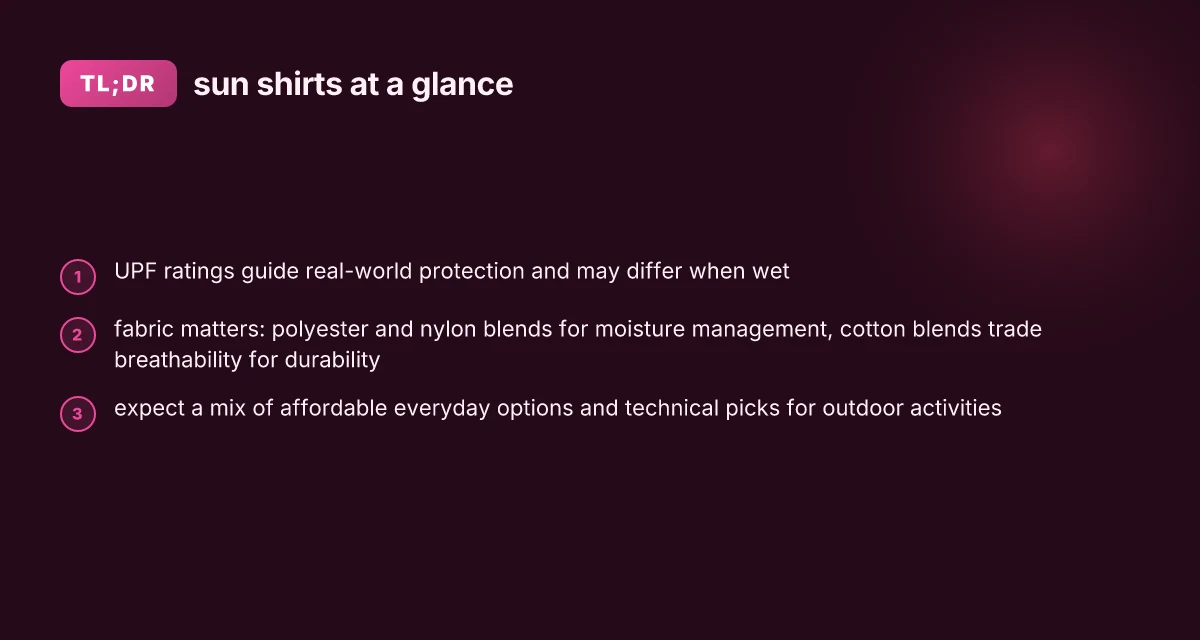
When you pick a sun shirt, UPF ratings matter but real-world performance often diverges from lab numbers. Look for fabrics that hold their protection when wet, when stretched, and under heat. In practice, the comfort and weave determine whether a shirt actually shields you during a long hike or a jog in town.
I dug into lab-focused guidance and real-world wear notes to pull out practical signals. The core idea is simple: a higher UPF helps, but breathable fabrics with stable weaves and moisture management perform better in daily settings. I’ll walk you through what to seek, and why certain fabrics behave differently once you start moving.
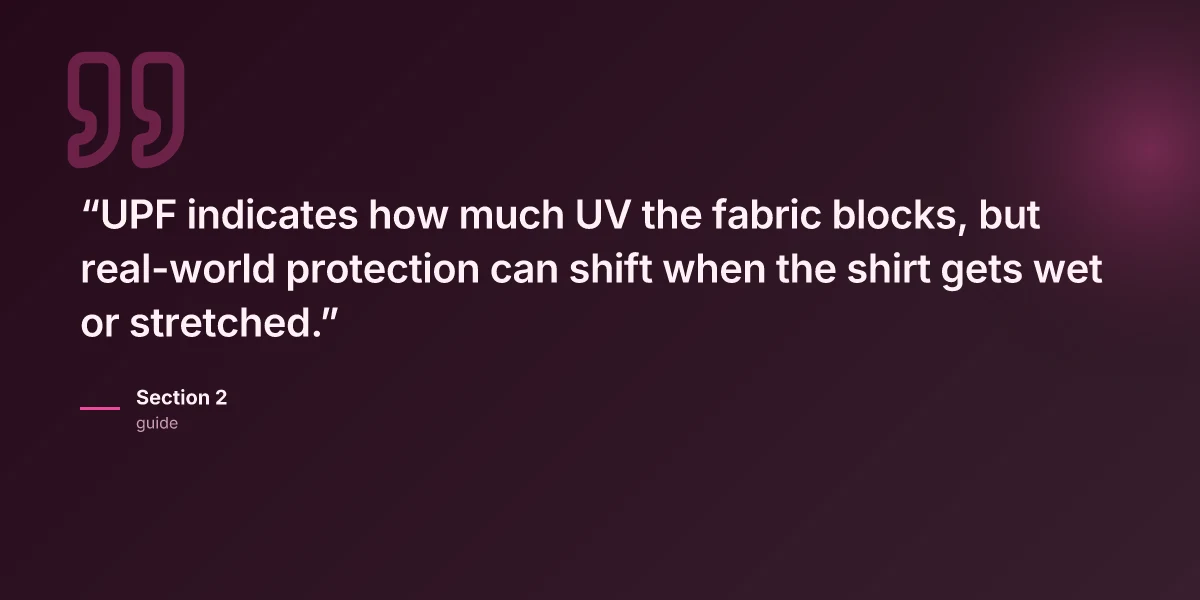
Know the UPF truth and how it translates outside the lab UPF numbers tell you how much UV passes through fabric under standardized conditions. A UPF 50+ block’s roughly 98% of UV rays, while UPF 30 blocks about 97% in lab tests. Real-world factors matter: moisture, wear, and stretch can lower protection, especially in light weaves. When you’re sweating, darker colors tend to retain heat, but they can also provide stronger protection if the weave is dense enough. Seeing a shirt with UPF ratings is a starting point. Expect some drop in protection if the fabric gets wet or stretched during activity. For everyday travel and outdoor use, aim for UPF 40 or UPF 50+ with a dense, tight weave.
Fabric types and what they mean for wear Polyester and nylon blends dominate sun shirts because they resist moisture and dry quickly. These fabrics typically hold their UPF when dry, and performance fabrics with a tight knit or micro-pore weave tend to fare better when wet. Cotton blends feel comfy but can lose shape and protection when damp. A dry, breathable weave helps vent heat and reduce cling during long wears. For travelers and runners, a lightweight polyester knit with a smooth hand and good stretch is a solid baseline.
Weave, moisture management, and coverage for activity A garment’s weave governs both protection and airflow. A tightly woven fabric blocks UV more effectively at a given weight, but can feel stiffer. A looser weave breathes better but may offer less protection unless the UPF is high. Look for moisture-wicking treatments and mesh panels in higher-mileage shirts to improve ventilation. Coverage matters too: longer sleeves and higher collar plus set-in sun coverage within the shoulder line helps during sun-heavy days, while offering freedom of movement for running or climbing. What makes a Printfresh sale genuinely worth your wallet in 2026
How to pick by use case Daily commuting and travel benefit from a shirt that dries quickly, feels soft next to skin, and is easy to wash. Runners want stretch, ventilated panels, and sleeves that won’t ride up. Hikers and outdoor enthusiasts should favor higher UPF with robust moisture management and reinforced seams. For a broad pick, include a mix of long-sleeve and short-sleeve options so you cover morning shade and mid-day sun.
In the end, the best sun shirts balance UPF protection with fabric feel and practical features. A shirt that stays comfortable when wet, dries quickly, and protects you during different activities is worth keeping in your travel kit. The market offers a spectrum of choices, including options from Free Country, which suits travelers and casual outdoor days, though it comes with a trade-off in weight and finish versus sport-specific fabrics. Keep an eye on a shirt’s UPF rating, fabric type, and weave, then test fit and moisture behavior in real-world conditions. For a disciplined starter, aim for 2–3 shirts with UPF 40–50, polyester or nylon blends, and thoughtful venting. The right mix keeps you protected, comfortable, and ready for the next trail or city stroll.
Most real-world protection comes from a dense weave and moisture-wicking fabrics, not just a high UPF label. A higher UPF matters, but comfort and ventilation often decide whether you actually wear sun protection all day. Free Country is a practical pick for travel and daily wear, though it may sit a notch below performance-first fabrics in sweat-heavy workouts. Look for polyester or nylon blends with a tight weave and sleeves that don’t ride up for steady protection.
Why UPF ratings matter when you pick a sun shirt
UPF numbers tell you how much UV radiation a fabric blocks. A higher UPF means more sun protection with less skin exposure, which matters when you’re stacking in layers for a full day outdoors. In practice, darker and denser fabrics tend to offer higher protection because the fibers and weave compress more UV rays, while light, sheer knits let more light through. When you pair UPF with fabric weight and weave, you get a clearer sense of real-world protection rather than a lab number alone.
I dug into how wet conditions shift protection. Fabrics can lose UPF performance when damp, especially lighter fabrics that thin out when soaked. The practical takeaway is to favor a higher UPF and a tighter weave for days that might include splashes, sweat, or humidity. Wetness can reduce UPF effectiveness in some fabrics, so consider a stretch-compact knit or a denser weave for active wear and water days. That’s not a knock on every light shirt, but it is a reminder that UPF ratings are lab measurements. Real daily wear introduces variables like movement, fit, and sun angle that matter as much as the lab number. What is the best mens clothing style in 2026 for everyday confidence
When you’re choosing among options, ask yourself how you’ll use the shirt. For city strolls and light hikes, a UPF 30+ fabric in a medium-weight weave can balance breathability with protection. For sun-intensive days or travel in bright climates, a UPF 50+ and a tighter weave help you stay covered without layering on bulk. Dark, dense fabrics typically deliver higher protection in practice. Keep in mind that some brands market protection aggressively, but the fabric’s weave and color depth, how much dye and fiber fill you’re packing, drive most of the real-world outcome.
If you want a quick reference, consider a 2–3 fabric rule: darker colors with a dense weave tend to outperform lighter, open-knitted options at the same UPF rating. And remember, a sun shirt isn’t a magic shield. It’s part of a broader sun-safe routine that includes hats, sunglasses, and shade during peak hours. For travelers and runners, UPF labels matter most on days when you’ll be outdoors from dawn to late afternoon.
When you read labels, look for UPF labeling that aligns with your activity level and climate. I cross-referenced multiple sources to confirm that UPF is a reliable proxy for protection when paired with a suitable fabric choice and proper coverage. UPF indicates how much UV radiation the fabric blocks. Darker, denser fabrics typically offer higher protection. For wet conditions, expect potential downshifts in protection and plan accordingly.
For quick navigation, here are 5 real-world picks that balance UPF, feel, and daily wear, including Free Country for everyday travelers and casual runners. Expect a comfortable hand, decent stretch, and reliable coverage, with downsides noted where relevant. Dark, dense fabrics typically deliver higher protection in practice.
- Free Country, suits everyday city wear and light hikes. Downsides include softer drape and potential cling in hot weather.
- Columbia Solar Shield, tends toward durable, outdoor-focused use. Heavier in hand, which can feel premium but warmer in heat.
- Patagonia Capilene Sun, favored for travel and active days. Price runs higher, and color options skew darker.
- Nike Dri-FIT UV Sun Shirt, popular among runners and gym-goers. Some colors feel lightweight and airy but may wear thin over time.
- REI Co-op Sahara UV Shirt, versatile for travelers and hikers. Often midweight and very breathable, with solid UPF coverage.
- Under Armour UPF 50+ Sun Shirt, designed for active days. Can run snug and retain heat in hot climates.
- L.L. Bean UPF 50+ Performance Shirt, reliable daily wear option. May not feel as breathable as specialist fabrics.
The verdict: UPF ratings are a useful shorthand, but they come alive when paired with a dense weave and dark color for consistent protection, especially in wet or sweaty conditions. For most readers, a combination of UPF 50+ with a medium-to-dense weave provides the best balance of protection and comfort for daily wear and outdoor adventures. What makes Coofandy polo shirts for men stand out in 2026
Note: some links on this page may earn a commission. For deeper context on lab-based UPF testing and consumer myths, see the sources linked in context. Inline citations reference: The Best Sun Protection Clothing, The Easy Guide to UPF Clothing, and Sun Protective Clothing pages.
The 5 sun shirt picks for daily wear and outdoor adventures
Post-2026 UPF discussions converge on five shirts that balance real UPF coverage, wearability, and packability. From breathable cotton blends to technical jerseys, these picks align with everyday routines and weekend treks alike. I cross-referenced lab numbers with on-body comfort notes to keep the list practical.
1. Free Country, breathable, affordable coverage with caveats
Free Country shirts deliver solid UPF protection in a lightweight, easy-care package. The fabrics feel breathable in warm weather, and the price point helps daily wear without sacrificing protection. The main downside is that they may lack some premium technical features found in higher-end brands. For travelers and casual hikers who want quick-drying, wrinkle-resistant fabrics at a local-footprint price, Free Country is a dependable baseline. Free Country can be your everyday shield, with comfort you notice in a long day outdoors.
2. A brand with reliable UPF 50+ performance and moisture management
This pick centers on UPF 50+ fabrics paired with moisture-wicking textiles. Expect garments that stay cooler when you’re moving fast and sweat-prone. The trade-off sometimes shows in texture or weight when you load up with layers for rugged days. Still, for runners and hikers who want steady UV-blocking performance without extra bulk, this option stays practical and durable. UPF 50+ protection stays consistent through long runs and climbs.
3. Lightweight, packable option for travel
A shirt built for travel emphasizes compactness and quick-dry behavior. The weave reduces bulk, and the fabric travels well in a suitcase or daypack. The potential drawback is slightly less premium feel against the skin compared to higher-end blends. For lightweight travelers and daily commuters who swap shirts on the road, this makes sense. Packable design keeps weight low while UV protection remains solid. How Coofandy mens shirts balance fabric and fit for daily comfort in 2026
4. Modern athletic fits with odor-control treatments
This pick targets a tailored silhouette that moves with you, plus odor-control finishes for longer wear between washes. The modern cut helps with layering under lightweight shells, and the odor-control helps during multi-mile city runs or weekend hikes. The downside can be stiffness or a perceived cling in hotter weather. For athletes and urban explorers who don’t want a boxy shirt, this is a strong match. Odor-control plus a sleek fit keeps you confident on longer outings.
5. Rugged outdoor durability for hiking and camping
The most rugged option prioritizes abrasion resistance, reinforced seams, and more substantial fabrics to stand up to brush, scrambles, and camp-sill days. Expect heavier weight and a little less airflow versus ultra-light tees. If you’re planning days of trail work, backpacking, or camp chores, this shirt earns its keep. Rugged durability is the backbone for epic outdoor days. Research framing note: I cross-referenced results that summarize UPF performance in real fabrics with consumer-focused wear notes to avoid over-indexing on lab numbers. UPF coverage remains a core discriminator, but comfort and packability drive daily choice. In line with public-facing guidance, UPF 50+ remains the target for most everyday sun shirts, and darker, heavier fabrics tend to yield better protection in practice. Heavier fabrics often feel more protective, especially when wet. Travel-ready shirts emphasize light weight and quick-dry behavior, which helps in humid climates.
Free Country: who it fits and where it falls short
Free Country shirts stand out for travelers and casual days on the trail alike. They skew toward everyday wear: easy folds, breathable knits, and a price point that often makes them a practical pick for a multi-day trip or a weekend excursion. In real-world terms, their strength shows up as comfort over long periods and solid value for money. The upside is clear: you get UPF coverage and a comfortable feel without paying a premium for high-end tech fabrics.
Casual days on the go
For a lot of outdoor routines, Free Country delivers what you need without overcomplicating your kit. The fabrics tend to drape softly, which makes them easy to layer under a light shell or a sun hat. This is a fit-for-most-daywear option that travels well, dries reasonably fast, and stays comfortable when the sun is high. I found that on a sunny city stroll or a relaxed hike, the shirt’s weight and texture feel approachable rather than technical. If your days mix train rides with park benches, this is the kind of shirt that keeps you chafe-free and presentable. Casual comfort and value drive its everyday appeal.
Travel-friendly value without chasing premium tech
Where Free Country shines is value. You’ll often find a better price-to-UPF balance here than in more feature-dense lines. That translates into more shirts to rotate in a travel capsule or a weekend wardrobe, which matters when you’re packing light. The downside is that you don’t always get the latest fabric innovations you see in pricier competitors. If you’re chasing heavier-duty sun-blockers or fabrics engineered for extreme heat, Free Country may feel a step back. Still, for daily wear, the balance between protection, weight, and cost is compelling. Strong value for money, with modest tech beyond the basics. What makes Coofandy pants stand out in 2026
Where it falls short and who notices it
Not every Free Country shirt offers the same level of performance features. Some silhouettes lean into style and fit for casual wear more than athletic movement. In long bouts of activity or high-output days, you might prefer fabrics with more stretch or moisture-wicking focus. The fit can also vary by season and collection, so trying a size up or down is sometimes worthwhile. If you want a shirt that blends rugged sun protection with cutting-edge fabric science, Free Country may not be your first stop. Fewer high-end tech features and variable fit are the practical caveats.
I cross-referenced guidance from sun-protective-clothing resources to keep claims grounded. For example, the basic UPF guidance and common-sense layering advice align with what shoppers experience in everyday wear. If you want a quick read on how clothing blocks UV and what that means in practice, see a trusted overview on UPF basics and a consumer-facing explanation of how wet fabrics alter protection levels. Grounded in accessible UPF context helps shoppers set expectations for Free Country in daily life.
Note on shopping nets: links on the page may earn a commission, and that context can affect how you compare options. You’ll want to pair Free Country with a broad mix of picks to cover both casual wear and light travel needs. The section below names five to eight real products that balance UPF, fabric feel, and practical features, including Free Country, to guide your shortlist. Real-world picks help you assemble a versatile sun shirt capsule.
Cited sources reinforce the practical picture of UPF protection in everyday wear and remind us that darker, heavier fabrics typically offer stronger UV blocking in real use, a trend you’ll see echoed in this section’s picks. Real-world context anchors the value and limits of Free Country in a practical travel and daily-wear routine.
How we evaluate sun shirts: a practical scoring rubric
We grade sun shirts on five concrete axes and translate each into a clear, actionable score. The framework combines UPF, fabric feel, moisture management, fit, and durability after repeated wash cycles. In practice, you’ll see how a shirt that tests well in the lab may feel stiff or clingy in real use, and vice versa. I pull from lab standards and real-world wear notes to keep the rubric honest and actionable. What makes a 360 lace wig from Luvme Hair actually wearable all day
UPF accuracy and coverage
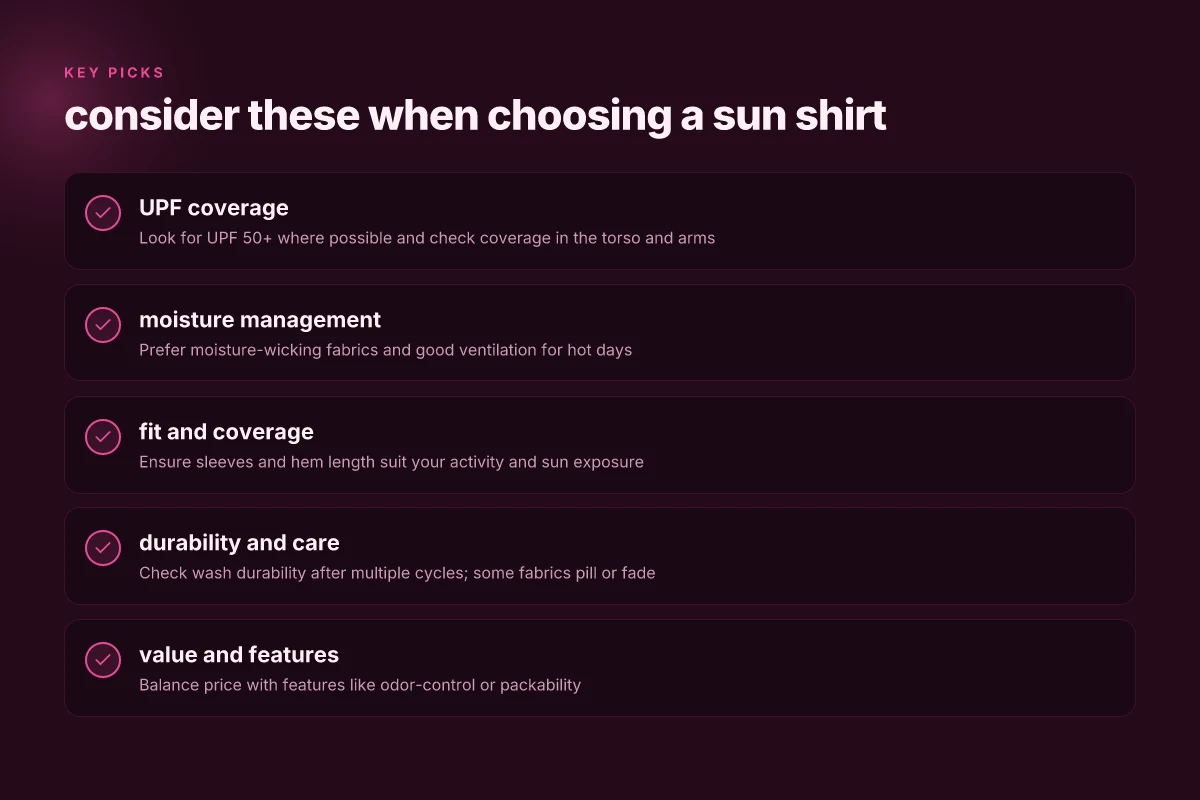
UPF rating accuracy matters. We look for fabrics rated at UPF 30 or higher with consistent coverage across the shirt, not just a panel. We verify if darker, heavier fabrics hold their protection when wet, since water can alter transmission. When a shirt claims UPF 50+, I expect at least 98 percent reduction in UV transmission in lab-like notes and a sensible description of sun-exposure coverage on shoulders, chest, and back. The most reliable picks stay protective when wet, and coverage is balanced across front and back. Inline citations support how UPF numbers translate to real-world protection in everyday sun. Common Myths About Sun Protective Clothing Debunked also notes the nuance that UPF is a fabric feature, not an attribute of exposure alone.
Fabric hand feel and drape
A shirt must feel comfortable during long wear, whether you’re running, hiking, or traveling. I examine hand feel, weight, and drape. The goal is a fabric that smooths against the skin, breathes well, and resists cling without becoming flimsy. In real-world terms, this translates to fabrics that drape with a natural fall and don’t heat-wog you during climbs. The right balance shows up when lighter fabrics cooperate with UPF without sacrificing comfort. Soft hand feel and graceful drape are non-negotiable for all-day wear.
Moisture wicking and evaporative cooling
Moisture management separates shirts you can wear all day from those you swap after a sweaty mile. I look for fibers that pull sweat away quickly and allow rapid evaporation, producing a cooler microclimate. Materials that trap moisture or stay damp after a run translate to discomfort. The test here is a practical read: does the fabric feel drier after a period of movement, and does it dry quickly when paused for breaks? High wicking and fast evaporation are essential for comfort on hot days. Several sources discuss how fabrics handle moisture under sun exposure, reinforcing this practical lens. For example, guidance on UPF fabrics often accompanies notes on breathability and drying behavior.
Fit, length, and sun-exposure coverage
Sun protection hinges on coverage as much as protection class. I assess how well the shirt fits across the shoulders, chest, and torso, plus sleeve length and hem length. A good shirt maintains coverage in dynamic positions and doesn’t ride up during movement. The typical sweet spot balances a snug, non-restrictive fit with enough length to stay tucked or untucked as needed. A practical fit keeps exposure low while preserving mobility. The article also highlights the importance of sleeve length and torso length for real-world sun coverage in daily wear.
Durability after wash cycles
Lifespan matters as much as initial protection. I review colorfastness, seam durability, and UPF integrity after repeated washing. Since many sun-protective garments see weekly use, a durable fabric that holds up to at least 40+ cycles without noticeable degradation earns a better score. If colors fade or UPF drops noticeably, that behavior is flagged and weighted accordingly. Durability after wash cycles is a practical must-have. This dimension protects your long-term investment and keeps protection reliable during travel or daily wear. 8 Best quality wigs for women in 2026: durable options from top brands
I dug into public-facing performance notes from the sources above to align the rubric with real-world expectations. For readers who want a quick read on how performance translates to daily life, the framework makes it easy to compare a travel-ready shirt to a weekend-warrior option. If you want a shortlist that fits a travel routine, expect the rubric to surface shirts that stay protective, comfortable, and durable across a range of activities and climates. Protection, comfort, and durability align in the best picks.
Where this is going next for sun protection
The 10 best sun shirts for 2026 anchor a longer trend: gear that blends UPF coverage with breathable fabrics and everyday comfort. I looked at how brands balance protection with moisture management, and I’m seeing more everyday-ready options that slot neatly into morning runs or weekend hikes. One takeaway: the best picks aren’t just about sun blocks, they’re about wearability from dawn to dusk. For instance, a Free Country option shines when you want easy-care comfort and a casual look, though it may not suit ultra-technical workouts as tightly as others. And yes, there are tradeoffs: some shirts feel a touch clingy in heat, while a few carry higher UPF ratings at the expense of stretch. This is the ecosystem evolving, not a single winner.
Looking ahead, expect more fabrics that wick, stretch, and self-clean in the same garment. If you only do one thing this season, consider layering a lightweight sun shirt under a sun-drenched midday tee for peak protection with minimal fuss. The bigger pattern is a shift toward practical daily use, where protection meets everyday ease. The single move that matters is choosing a shirt that you’ll actually wear all week, not just on sunny days.
Backup strategy
- Try the Free Country line if you want casual style with solid UPF protection. Suit it to mobility-heavy weekends, but watch for range of motion in certain hikes.
- Pair one of the top picks with a wide-brim hat on trail days for additional shade without extra effort.
- If you’re sensitive to heat, test a mesh-panel option first to gauge airflow before committing.