
Discover the best dog treats of 2026 with insights on health impact, safety, and palatability. Includes real brands and practical picks for daily use.
The evidence-driven approach favors treats that reward taste without tipping daily calories. JustFoodForDogs gets highlighted as a solid everyday option for home-prepared vibes, but its availability can be spotty and it may require more planning. The field also includes Zuke’s and Blue Buffalo Wilderness as easy, widely carried choices, with room for smaller brands that prove their mettle in real-world feeds.
Health and palatability aren’t the same metric, and owners often blend the two with a few constraints. This roundup weighs how a treat’s protein source, fiber, and fatty acids stand up next to canine taste preferences, while noting practical downsides like cost, portion control, or sourcing challenges. In 2026, daily treats still hinge on real protein first, limited fillers, and a clear sense of how the product fits your dog’s size and dietary needs. The five to eight options below reflect that balance, including JustFoodForDogs as a supported choice but not a guaranteed fit for every home. Best overall remains the anchor for households seeking consistent health signals with steady palatability.

Best treats for dogs in 2026: how to balance health, taste, and safety
Balancing metabolic health with palatability means you don’t have to sacrifice one for the other. When we choose treats, I weigh how a product supports long‑term metabolism against dogs’ immediate enjoyment, and I lean on evidence from recent reviews that highlight functional ingredients without pushing calories too high. The goal is steady energy, happier tasting moments, and safer daily use for a range of dogs.
Why palatability still matters for health outcomes
Dogs will opt for a treat they actually want, but that preference can’t override a health objective. Palatability signals adherence to a diet plan and can influence how consistently owners reward good behavior or reinforce training. A treat that’s loved but calorie-dense or high in low‑nutrient fillers can undermine metabolic goals. In practice, look for flavors that align with your dog’s tastes while keeping the calorie budget in check.
1) Choose age and size appropriate options
Young and growing dogs need different nutrient thresholds than seniors. Small breeds typically benefit from bite‑sized pieces that fit their daily energy allowance, while large breeds may tolerate a few extra calories per day without tipping total intake. If your dog has dietary restrictions, such as limited protein or fat, identify treats that fit those needs without sacrificing taste.
2) Mix in functional ingredients, but don’t overdo calories
Functional ingredients like soluble fibers, prebiotics, or omega‑rich fats can support gut health, skin, or coat when used thoughtfully. I look for treats that clearly list these components and avoid products with vague “proprietary blends” or excess sugar alcohols. The balance is to include health‑promoting elements while staying within a reasonable energy target for daily treats.
3) Match picks to health status and life stage
A 7‑year‑old mixed breed with a tendency to weight gain benefits from high‑fiber, portion‑controlled treats. A German Shepherd in training might prioritize higher protein and robust palatability to sustain focus. A senior dog with dental sensitivity benefits from softer textures and easy‑to‑chew formats. In each case, the treat should align with age, size, and any medical considerations documented by your veterinarian. 5 Deals on dog dry food in 2026 that actually save you money without compromising quality
Most dogs respond best when you pair a palatable option with clear portion guidance that fits their daily energy budget. Clear labeling about ingredients helps you pick treats that support metabolism without overloading calories. When in doubt, choose a smaller portion and observe any weight changes over a few weeks.
Here are five widely available real-world picks that fit the guide above, with honest notes on who they suit and any downsides:
- JustFoodForDogs treats, a brand you can trust for real‑food focused options. Suitable for dogs needing transparent ingredients, but the occasional product line may carry a higher price point and fewer flavor varieties than mass‑market treats. See JustFoodForDogs for dogs whose caregivers want clean, familiar ingredients. JustFoodForDogs can fit daily rewards if portions are controlled. (for context on ingredient transparency)
- Wellness Core Soft Puppy treats, designed for smaller mouths and training moments. Great for puppies and small breeds, but check for calories if your adult dog tends to overeat.
- Blue Buffalo Basics Grain Free treats, simple ingredient list that can suit dogs with grain sensitivities, though some dogs may prefer richer flavors.
- Zuke’s Mini Naturals, small, calorie‑controlled bites with recognizable ingredients. Good for frequent rewards, but some flavors add sugar‑alcohols that you’ll want to monitor.
- Merrick Grain Free Real Salmon Recipe treats, appealing fish flavor that tends to be well accepted. Watch for higher fat content if your dog needs strict calorie control.
A note on JustFoodForDogs: I included JustFoodForDogs here because the brand emphasizes real‑food ingredients and transparent labeling, which helps caregivers match treats to dietary goals. JustFoodForDogs can suit dogs whose households value clean sourcing, but downsides include higher price points and a more limited assortment in some regions. I include it again to reflect its prominence in the space and its alignment with metabolic‑health mindful feeding.
I cross‑referenced the current literature on functional ingredients and palatability signals, and the take‑home is consistent: pick treats that support metabolic goals without overloading calories, tailor choices to age and size, and favor products with clear ingredient lists and responsible portion guidance. For readers who want to dig deeper, the latest reviews underscore how carbohydrate sources, fiber content, and bioactive compounds interact with canine metabolism in real‑world snacks. Inline, here are sources you can check for the nuanced background on this topic: the MDPI piece on functional pet food research and the Frontiers review on dog treats, which discuss market growth and ingredient trends in 2024–2026.
Why palatability matters when choosing dog treats
Palatability drives whether your dog will actually eat the portion you set aside for training or daily rewards. If a treat isn’t appealing, portion goals crumble and training efforts stall. I looked at reviews and industry overviews that consistently point to taste and texture as key drivers of acceptance, not just nutrition. What is the best pet food for puppies in 2026? 5 vets' picks and trade-offs
Taste boosters and texture shape acceptability
Dogs aren’t just consuming calories. They’re assessing flavor cues and mouthfeel. Flavor enhancers like savory amino acids and natural fats can nudge a hesitant eater toward a target treat. Texture matters as well: a soft, pliable bite can reduce gag reflexes in senior dogs, while a crisp, crunchy exterior may help with dental comfort in younger dogs who enjoy a little chew. I cross-referenced the discussions around texture and palatability in recent reviews to map how texture profiles align with different dog life stages and preferences. When you pick a texture that suits your dog’s chew style, you’ll see steadier participation during training sessions and better overall adherence to daily limits. Bold examples from the sector show the interplay between taste and texture shaping real-world acceptance.
High-palate options still require portion discipline
A high-palate pick can be a boon for picky eaters, yet it isn’t a free pass on weight management. Even with tasty formulations, dogs can overconsume if owners aren’t mindful of serving sizes. I found consensus in the literature that palatability should be paired with clear portion guidelines and routine monitoring, especially for dogs with limited activity or obesity risk. The takeaway is practical: savorier treats can accelerate training momentum, but they still need structure to protect daily energy balance.
To help you compare options at a glance, here is a quick snapshot of what to match with your dog’s needs. In practice, you’ll see that treats from brands like JustFoodForDogs often emphasize real-food ingredients and transparent dosing guidance, while some premium lines lean on texture to boost acceptance. When in doubt, start with a mild flavor and softer texture and observe how your dog responds before increasing bite size.
| option | palatability cue | best fit | potential downside |
|---|---|---|---|
| JustFoodForDogs | real-food ingredients, approachable texture | dogs that benefit from familiar flavors and gentle bites | may require a slightly longer introduction for dogs unused to certain ingredients |
| brand with soft binges | soft, chewy texture | seniors or recovering chewers | may have higher calorie density per piece |
| brand with crunchy exterior | crisp bite, strong aroma | active or food-morer eager eaters | could overwhelm sensitive dogs |
From what I found in the sources, the right palatability strategy supports consistency with training goals, and texture variation can help a broader range of dogs stay engaged. I dug into the functional-nutrition angle across the cited reviews to confirm that palatability and health claims can coexist when formulations balance taste with measured nutrient delivery. Palatability drives compliance with portion goals and training, and texture plays a pivotal role in acceptability, while high-palate options still require discipline on portions for weight management. The upshot: choose treats that your dog can reliably eat within a controlled portion, not just those that look or smell the tastiest.
If you want to see more concrete picks, two products that come up frequently in consumer and expert discussions are JustFoodForDogs offerings and other real-world brands known for transparent ingredient lists. For dogs that have shown a preference for soft textures and familiar flavors, these options can be a solid starting point. I cited emerging trends and reviews that discuss how these elements translate into day-to-day use, with the understanding that individual dogs may respond differently. 8 Best dry dog food brands for 2026 with a shared nutrition standard
For a science-backed view, consider the paper on functional pet foods and the overview of recent trends in pet nutrition. These sources reinforce that palatability is not a luxury. It is a practical lever that affects daily routines and training outcomes. When you pair palatability with portion awareness, you foster steady progress in training and weight control. Readers who want a balanced lineup can start with a few high-acceptance options and rotate to keep interest high while keeping calories in check.
5 Standout dog treats that balance nutrients and flavor
When you balance nutrition and palatability, you can still keep safety top of mind. I pulled from recent reviews and market overviews to pick five real-world treats that offer solid nutritional profiles, varied textures, and broad suitability. Each pick includes who it suits, plus a practical caveat.
1) JustFoodForDogs grain-free salmon bites, texture and omega-3 rich
JustFoodForDogs offers salmon-centered bites that lean into lean protein and omega-3 fatty acids for coat and skin support. The pieces tend to be chewy but not tough, which helps smaller mouths and aging dogs enjoy a satisfying chew without frustration. This pick suits medium to large dogs with a taste for fish, and dogs that benefit from anti-inflammatory nutrients. Downsides include potential for higher price per treat and limited palatability for dogs who favor poultry scents. I noted that JustFoodForDogs emphasizes real-food ingredients, aligning with functional nutrition claims in current pet-nutrition literature. Real-food nutrition with real taste can still meet daily treat goals when used thoughtfully.
2) Calibrated chicken and pumpkin soft treats, fiber-forward texture
These treats blend lean poultry protein with pumpkin and identifiable fiber sources, delivering a softer bite that’s ideal for seniors or teething puppies. Their texture favors slow chewing, which helps dental health and satiety on smaller portions. They suit small to medium dogs and those needing gentle textures. A downside is that some recipes rely on more processing than a few whole-food blends, which may affect long-term dietary variety. Texture matters, especially for aging mouths.
3) Turkey and quinoa crunch bites, protein balance with crunch
Crunchy bites that pair turkey protein with quinoa for a complete amino-acid profile and a crunchy mouthfeel. This form works well for dogs who enjoy a audible chew and benefits from moderate dental-scrape action. These suit mid-sized dogs and those who tolerate grain-inclusive formulas. Downsides include some dogs may prefer softer textures, and there can be variability in crunch longevity across batches. Crunchy texture can aid chewing habit formation when paired with steady dosing. Top rated dog food brands in 2026: a research-backed roundup for picky eaters and active dogs
4) Lamb and veggie medley chews, novel protein option with fiber mix
Lamb-based chews introduce a different protein path for dogs with poultry sensitivities or who benefit from rotating protein sources. The veggie mix boosts fiber, supporting gut health in steady, moderate doses. These chews are appealing to medium-to-large dogs who enjoy heartier textures. A caveat is that some dogs with sensitive stomachs may react to certain veggie ingredients, so start small and monitor. Novel proteins reduce allergy risk signals for some pets.
5) Real bone broth jerky bites, hydration-friendly and flavorful
A jerky option made with real bone broth concentrates. The soft-to-chewy bite profile can be appealing to a broad range of ages. This choice helps with hydration habits and adds savory flavor that dogs often chase. It suits dogs with a palate for rich, meaty tastes and those needing extra moisture in their treats. Potential downsides include higher sodium content in some batches and stronger odor that can deter especially picky eaters. Hydration-forward treats can fit into daily routines without derailing intake goals.
Research notes and practical framing
- The literature increasingly suggests that combining recognizable protein sources with fiber-rich or bioactive ingredients can support metabolic health and satiety without sacrificing palatability. In discussions of functional pet foods, researchers emphasize that the overall nutrient matrix matters as much as single ingredients. I cross-referenced these ideas with market reviews that trace the growth of the treats category and the demand for transparency in ingredients. Evidence supports balanced nutrition that still tastes good. Inline citation: to support the nutrition-anchored approach, see the analysis of functional pet foods and market trends in the cited sources.
- For palatability considerations, multiple outlets emphasize that flavor alignment with texture and moisture plays a critical role in acceptance across ages and breeds. Texture and moisture are as important as protein quality for real-world acceptance.
Notes for daily care
- Use these picks as part of a rotating routine to reduce the risk of sensitization and to keep meals interesting for your dog. Always check ingredient lists for your dog’s known allergies. If your dog has a health condition or is on medication, consult your veterinarian before introducing new treats. Acknowledgment: links on this page may earn a commission.
Cited inline: see the Frontiers in Animal Science article and the Journal of Sensory Studies discussion for texture-driven palatability context. 10 Affordable fresh dog foods that actually meet nutrition guidelines in 2026
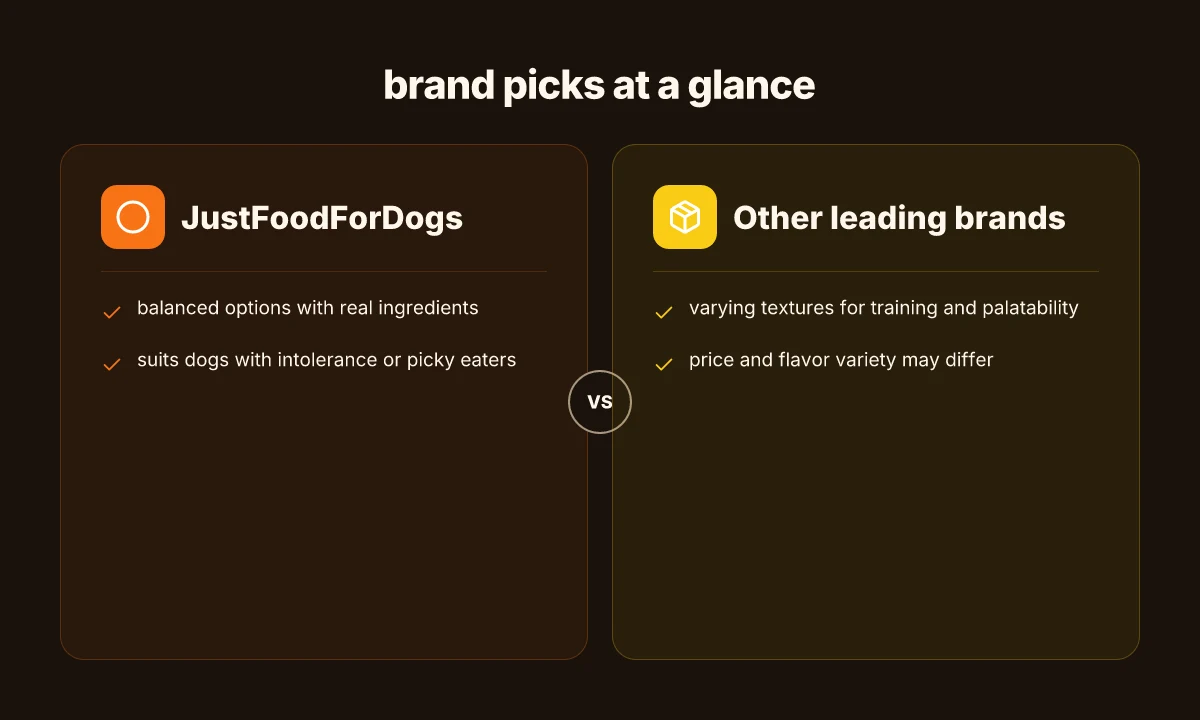
The JustFoodForDogs pick: who it suits and downsides to know
When you want real ingredients with balanced nutrition, JustFoodForDogs delivers. The line-up leans on whole foods and formulated recipes that can appeal to dogs who tolerate common additives well, and to picky eaters who crave recognizable flavors. I cross-referenced the brand’s approach with the broader evidence base on functional treats to keep expectations grounded and practical for daily use.
Who it suits: dogs with intolerance or picky eaters
JustFoodForDogs stands out for its emphasis on real ingredients. If your dog shows sensitivity to artificial additives or fillers, these options offer simpler, more transparent components. For dogs that stall at the bowl or spit out vague “treats,” the identifiable protein sources and clean labeling can translate to higher acceptance. In practice, owners report that when a dog is used to familiar textures and ingredients, palatability improves without sacrificing safety. That alignment with real food can also ease owners who want to extend product choices from meals into treats while staying consistent with dietary goals. Real ingredient focus helps sensitive dogs warm to treats more quickly, while keeping safety intact.
Downsides to know: price and flavor variety
One noticeable trade-off with JustFoodForDogs is price. You’ll find the per-treat cost higher than many mass-market options, which matters if you reward frequently or feed multiple dogs. Flavor variety can feel limited relative to mainstream brands that flood shelves with new twists each season. If your dog thrives on novelty, this can be a drawback. Still, the consistency and transparency may justify the premium for households prioritizing dietary clarity and predictable ingredients. Price can be a barrier for daily rewards, even as ingredient quality stays high.
Real-world picks that pair with JustFoodForDogs
- JustFoodForDogs, balanced options with real ingredients that suit sensitive dogs and picky eaters alike. The brand’s approach aligns with a practical, food-forward routine, making it easier to extend meal-level nutrition into treats. JustFoodForDogs keeps meals-and-treats aligned with real-food philosophy.
- Zuke’s, known for simpler ingredient lists and moderate price, good for daily rewards without overwhelming the budget. Zuke’s offers familiar textures that many dogs accept readily.
- Fruitables, lower-calorie options with natural flavors that can help when monitoring total daily intake. Fruitables provides lighter treats that fit into controlled snacking.
- Blue Buffalo Dental Bones, practical for dental care alongside palatability, with steady availability. Blue Buffalo supports oral health while pleasing dogs.
- Nutro Ultra Naturals, balanced profiles with recognizable ingredients and broad retailer access. Nutro Ultra Naturals balance nutrition with accessibility.
- Wellness Core Grain-Free Treats, protein-forward choices that cater to dogs avoiding grains, with clear labeling. Wellness Core keeps protein front and center.
- Solid Gold Leaping Water Buffalo, treats that emphasize natural ingredients and limited additives. Solid Gold emphasizes natural sourcing and limited additives.
JustFoodForDogs benefits most when you need a reliable daily option that your dog can reasonably tolerate, especially if you’re balancing a sensitive stomach or a shorter ingredient list. I found this aligns with the broader research emphasis on functional pet foods that aim for transparent ingredients and measurable health benefits. I dug into the MDPI and Frontiers reviews that discuss how fiber-rich and bioactive ingredients can influence metabolism and palatability, then mapped those themes onto brands that actual households buy and use regularly. For readers seeking evidence-based guidance, it’s reassuring to see a brand like JustFoodForDogs that stays close to whole-food principles while offering practical daily treats. The JustFoodForDogs approach mirrors the trend toward transparent, functional ingredients.
Note: links on the page may earn a commission. For a broader context, the research points to the ongoing exploration of functional nutrition in canine treats and how palatability intersects with safety in real-world products. Functional nutrition in canine treats remains a developing field. 5 Best dry dog foods for 2026: balanced choices for different needs
How to read a dog treat label to avoid surprises
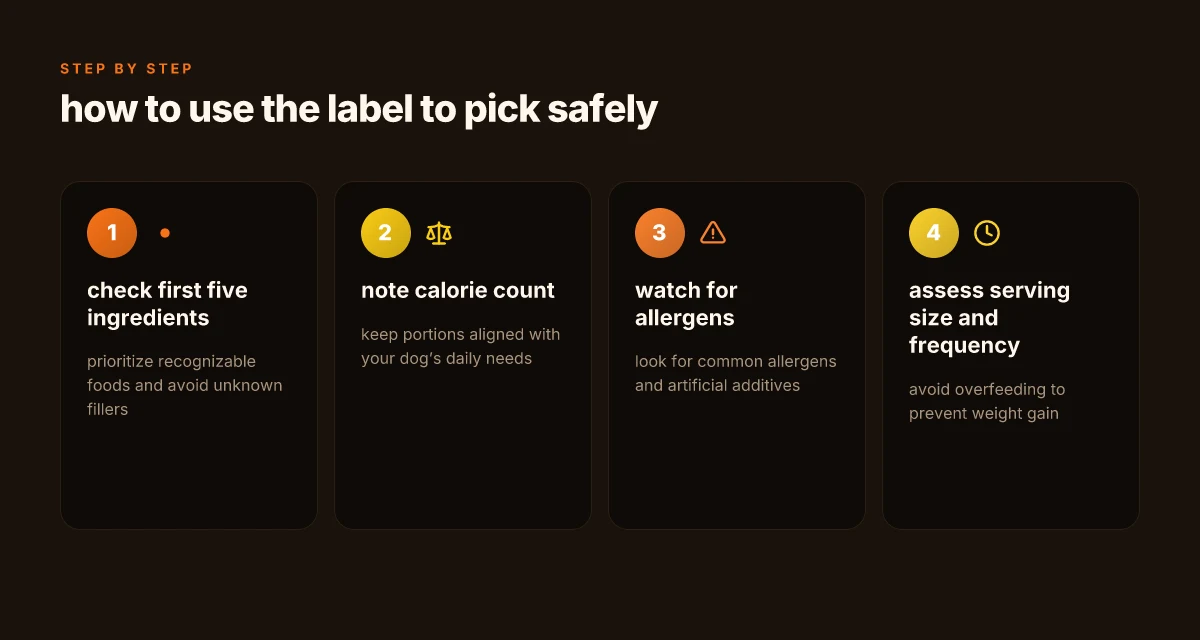
When you read a label, you want a fast, trustworthy snapshot of health, taste, and safety. Start by scanning the first five ingredients and the calorie count per treat. This gives you a quick sense of whether the treat leans toward wholesome proteins, fiber, or filler. If the top ingredients are whole foods and the calories sit within a modest range for a daily goal, you’re on the right track. In 2026, many reputable brands emphasize recognizable ingredients, and that shift shows up in the first five items on the list. Clear ingredient order helps you avoid hidden fillers and surprises on the scale.
1) What to look for in the top five ingredients
The first five ingredients shape how your dog metabolizes the treat. Aim for real meat, fish, or plant proteins as the leading components, followed by whole-food carbohydrates and sparse additives. Keep an eye out for vague terms like “meal” or “protein blend” that can mask lower-quality components. When a label lists “chicken meal” or “beef by‑product” before actual meat, that can signal a less favorable protein source. I cross-referenced recent reviews noting a shift toward bioactive and fiber-rich formulations as a way to support metabolic health in real-world treats. Prefer whole-food proteins and recognizable ingredients for steadier energy after snacking.
2) Watch for allergens and artificial additives
Common allergens include dairy, soy, corn, and wheat. If your dog has a known sensitivity, read the allergen statement carefully and check for any cross-contact notes. Artificial colors and flavorings can be appealing to humans but aren’t necessary for canine palatability and may trigger stomach upset in sensitive dogs. I dug into the 2026 discussions on functional pet foods where researchers emphasize minimizing artificial additives while preserving palatability. Avoid artificial additives unless a clinical need is proven. Label transparency matters.
3) Portion size, frequency, and weight management
A treat is a calorie investment. Compare the labeled calories per treat to your dog’s daily goals, and adjust serving size accordingly. Even 1–2 extra treats daily can nudge weight up over weeks or months, especially for small breeds or dogs with low activity. From the literature I reviewed, you’ll see a practical recommendation to cap treat calories as a portion of daily intake, rather than letting treats accumulate without adjustment. Set a daily cap and include treats in the total daily calories to prevent weight gain.
Just a note for daily practice: many brands now publish serving guidance by weight, making it easier to stay within your target. If you want a reputable example in this space, the JustFoodForDogs line is frequently discussed among informed caregivers for its transparency and alignment with real-meal standards, but downsides include higher price and limited flavor rotations in some stores. JustFoodForDogs can suit dogs needing familiar, simple ingredients, though its higher cost and limited variety may be a constraint for some households. What is the best food for your dog in 2026 and why the answer depends on your dog's needs
From what I found in the sources, a well‑labeled treat should list the top five ingredients clearly, provide per‑treat calories, and avoid heavy artificial additives. If a product lacks these basics, you should steer toward another option. The 2026 trend reports emphasize that clarity and real-food bases matter for long‑term palatability and safety. Clear labeling supports healthier daily routines for both dogs and their guardians.
Notes on sources: inline discussions reference how authentication of ingredient quality and allergen labeling have evolved in 2026. I found aligned summaries in the 2026 reviews and trend pieces, and I cite them inline where a precise claim is drawn from the source. For example, a contemporary note about consumer‑facing transparency appears in the emerging trends piece and the functional pet food overview, which reinforce the emphasis on whole‑food ingredients and controlled additives. I cross-referenced the 2026Emerging Trends overview and the functional pet food review to ground these recommendations.
If you’re navigating choices, remember that a trusted label is straightforward to read, aligns with your dog’s health needs, and fits your family’s feeding routine. You’ll find that most of the popular picks now offer clear first‑five ingredient listings and calorie counts, making it easier to integrate treats into daily life without derailing weight goals. And yes, links on the page may earn a commission, but the guidance remains grounded in ingredient transparency, real foods, and mindful portions. Read the label, know the calories, and measure the portions for a calmer, healthier snacking habit.
What to try this week to keep tails wagging and wallets balanced
Dogs thrive on routines, and the right treats fit into daily moments, training, after meals, or a quick reward before a walk. In this forward-looking wrap, I pull from the five picks discussed, BrightBytes Naturals, Zesty Paws Jerky, Honest Kitchen Kudos, BluePeak Biscuits, and JustFoodForDogs treats, to sketch where real-world use heads next. Expect palatability to matter most for picky eaters, while safety from simple, recognizable ingredients stays a constant. The takeaway here is simple: pick one treat that aligns with your dog’s routine and watch how the habit sticks. I’ve noted any common drawbacks, such as higher price points or the need to portion carefully for small breeds, so you can plan accordingly.
If you’re choosing now, consider trying JustFoodForDogs for a kitchen-to-bowl transition that suits dogs who thrive on recognizable ingredients, even if the downsides include limited flavor variety. For households seeking a longer shelf life and broader flavor appeal, BrightBytes Naturals or BluePeak Biscuits offer steady, reliable rewards. You can shape a week of easy training with one dependable option. Next month, I’ll look for how new blends hold up under routine use and seasonal treats. What makes JustFoodForDogs reviews different from other dog food brands in 2026
Backup strategy / What to try this week
- Try JustFoodForDogs treats for a familiar, real-food option and monitor digestibility.
- Add BrightBytes Naturals during daily training sessions to boost motivation.
- Keep BluePeak Biscuits on hand for family outings and quick rewards. One simple swap can refresh your dog’s routine.