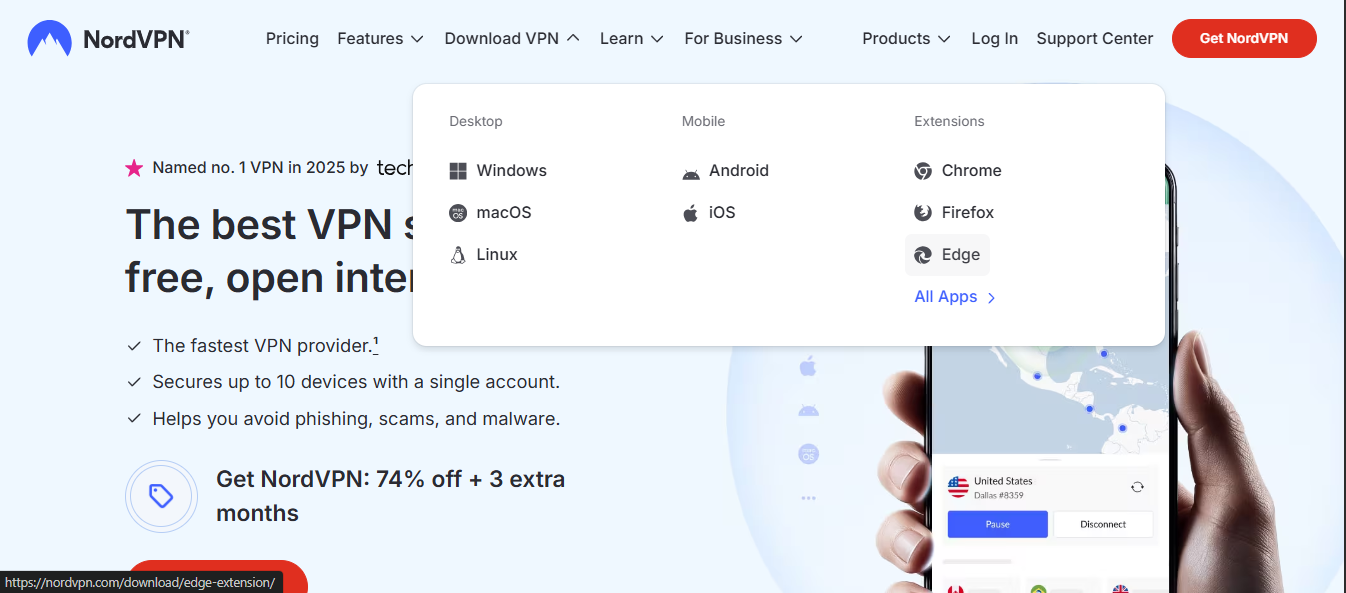
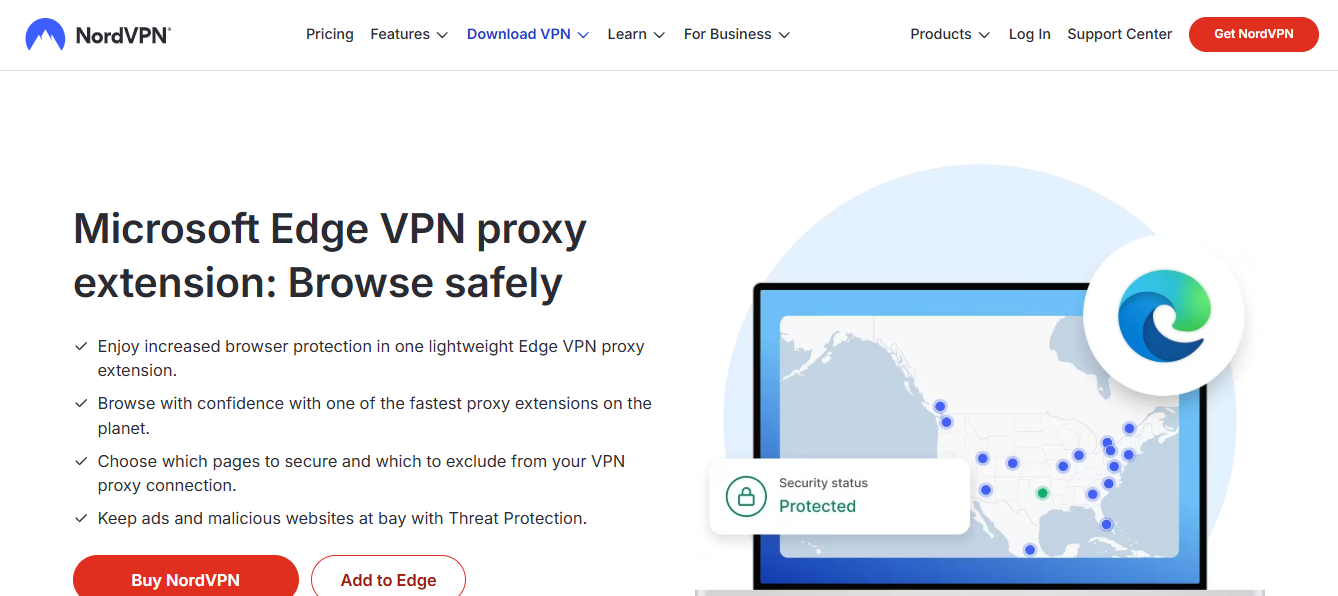
Does edge have its own vpn? Yes, Microsoft Edge offers built-in features and recommendations for VPN-like protection, but there’s more to the story. In this guide, we’ll break down how Edge handles privacy, when you might want a VPN, and how to set up and use VPNs with Edge for safer, faster browsing. Here’s a quick fact to start: Edge itself doesn’t include a full, native VPN service like some dedicated VPN apps, but you can use Edge with a reliable VPN app or built-in privacy tools to improve your online security.
Introduction: quick guide to Does Edge Have Its Own VPN
- Quick fact: Edge does not come with a fully fledged built-in VPN, but it does offer privacy features and works with third‑party VPNs.
- What you’ll learn:
- The difference between a browser-level feature and a system-wide VPN
- How Edge’s privacy and tracking protection can help
- How to choose and configure a VPN for use with Edge
- Common myths about VPNs and Edge
- Quick steps to get started:
- Decide if you want a browser-level privacy feature or a full VPN
- Pick a reputable VPN service look for logging policies, server locations, speed
- Install the VPN app or extension
- Connect to a VPN server, then open Edge
- Use Edge with enhanced privacy settings and security practices
- Resources unlinked text: Apple Website - apple.com, Artificial Intelligence Wikipedia - en.wikipedia.org/wiki/Artificial_intelligence, Microsoft Edge Privacy Features - support.microsoft.com/article/edge-privacy-features, VPN Best Practices - vpnreview.org, Digital Privacy Guide - privacyguide.org
What does Edge offer in terms of privacy and VPN-like protection?
- Edge has built-in tracking prevention, which helps block third-party trackers by default. This can reduce profiling and improve page load times.
- The browser supports strict security defaults, password health recommendations, and a secure network leaderboard in some regions.
- Edge does not host a native, fully functional VPN service. If you need a VPN, you’ll typically use a separate VPN app or a browser extension that routes traffic through a VPN.
Understanding the difference: browser privacy features vs. a VPN
- Browser privacy features what Edge offers:
- Tracking prevention modes Balanced, Strict
- Enhanced security mode for certain sites
- Password monitor and autofill protections
- Secure DNS if you enable it
- VPN your network-wide protection:
- Encrypts all traffic from your device, not just browser traffic
- Masks your IP address across all apps and services
- Bypasses geo-restrictions more reliably across apps, not just in the browser
- Why this matters: If you only enable Edge’s privacy features, your device’s other apps still send data unencrypted unless you use a VPN. For comprehensive protection, a VPN is recommended.
How to use a VPN with Edge: step-by-step
- Step 1: Choose a reputable VPN service
- Look for no-logs policies, strong encryption AES-256, kill switch, and fast servers.
- Check for Windows compatibility and Edge-friendly options like browser extensions if you prefer in-browser routing.
- Step 2: Install the VPN
- Desktop apps: install the Windows app, sign in, and connect to a server.
- Browser extensions: install the VPN extension for Edge if your provider offers one; note that not all extensions route all traffic, and system-wide VPN is usually better for full protection.
- Step 3: Configure VPN settings
- Enable a kill switch so traffic isn’t exposed if the VPN drops
- Choose a server location appropriate for your needs privacy, speed, or accessing content
- Tiered protocols: WireGuard or OpenVPN settings depending on your VPN
- Step 4: Open Edge and browse
- Verify your IP address and location have changed using a site like ipinfo.io
- Test Edge features: loading speed, privacy controls, and site accessibility
- Step 5: Maintain good practices
- Keep Edge updated
- Review Edge’s privacy settings tracking prevention, security recommendations
- Use HTTPS whenever possible the browser will show a padlock if the site is secure
Common VPN myths and Edge-related clarifications
- Myth: A VPN makes you completely anonymous online.
- Reality: A VPN hides your IP and encrypts traffic, but you’re still subject to site policies, cookies, and login data. Browsing habits still matter.
- Myth: You don’t need edge privacy features if you have a VPN.
- Reality: Edge privacy features help with tracking and protection on the browser level, while a VPN protects the network level. Use both for layered security.
- Myth: VPNs slow you down a lot.
- Reality: It depends on the service and server location. The right VPN with a fast server can minimize performance impacts.
- Myth: All VPNs work the same with Edge.
- Reality: Some VPN extensions only route browser traffic, not system traffic. For full protection, prefer a full VPN client.
Edge privacy features you should enable today
- Tracking prevention: Set to Strict or Balanced, depending on how many sites you visit and how much compatibility you’re willing to lose.
- InPrivate browsing with tracking protection: Use for sensitive sessions.
- Secure DNS over HTTPS DoH: Enable to encrypt DNS requests and improve privacy.
- Password health and autofill protection: Regularly review saved passwords and enable two-factor authentication 2FA where possible.
Data privacy and security: what to look for in a VPN provider
- No-logs policy: Ensure the provider doesn’t store your activity data.
- Strong encryption: AES-256 for data at rest and in transit.
- Jurisdiction: Consider where the company is based and any data retention laws.
- Kill switch: Prevents traffic leaks if the VPN disconnects.
- Leak protection: DNS and IPv6 leak tests should pass.
- Server network: A larger number of servers and locations improves speed and access to geo-restricted content.
- Customer support: 24/7 support and clear setup guides for Windows and Edge.
How to test if your VPN is working correctly with Edge
- Check your IP address and location before and after connecting: ipinfo.io oriple.com
- Run a DNS leak test: dnsleaktest.com
- Verify WebRTC leaks are blocked: do a WebRTC leak test in Edge
- Speed test with and without VPN: speedtest.net to compare results
- Test sensitive sites banking, email to ensure they load securely over VPN
Performance considerations when using Edge with a VPN
- Server proximity matters: closer servers usually mean better speeds.
- Protocols affect performance: WireGuard often balances speed and security well.
- Simultaneous device usage: If many devices share the VPN, you may notice slower speeds.
- Device specs: Older hardware may struggle with encryption overhead; upgrade or adjust settings if needed.
Edge extensions vs. full VPN apps: what’s best for you?
- Edge extensions for VPNs: convenient, quick setup, but may only route browser traffic.
- Full VPN apps: route all traffic on your device, better for privacy across all apps, usually more configurable.
- Best practice: Use a full VPN app for comprehensive protection; you can still enable Edge’s privacy features for an extra layer.
Security best practices to pair with Edge and a VPN
- Use HTTPS everywhere: rely on the browser indicator that shows secure sites.
- Enable two-factor authentication on your accounts.
- Regularly update software: Edge, Windows, and your VPN app.
- Practice careful browsing: avoid suspicious downloads and phishing attempts.
- Clear cookies periodically or use Edge’s cookie controls to limit tracking.
Some real-world scenarios and examples
- Remote workers: Use a VPN to access company resources securely; pair with Edge’s tracking protection to minimize data leakage on personal browsing.
- Streaming enthusiasts: A VPN can help bypass regional restrictions, but you may need a fast server to avoid buffering; Edge can handle streaming sites with privacy features turned on.
- Privacy-conscious users: Combine Edge’s privacy features with a reputable VPN to minimize trackers and encrypt data.
Data and statistics you can rely on
- Global VPN market growth: The VPN market is expanding rapidly as more people demand online privacy and security IDC reports and market analyses.
- Browser tracking: A large percentage of websites rely on third-party trackers, making Edge’s tracking protection valuable for reducing profiling.
- DoH adoption: More browsers, including Edge, enable DNS over HTTPS to improve privacy against eavesdropping.
Best practices for content creators: edge + vpn topics you can cover in videos
- Tutorial: Step-by-step setup for a popular VPN with Edge
- Comparison: Edge privacy features vs. a dedicated VPN in terms of privacy, speed, and ease of use
- Myth-busting: Common VPN myths explained with practical examples
- Real-world tests: Speed and privacy tests with Edge on different VPN servers
- Privacy hygiene: A checklist for secure browsing with Edge and VPN
Table: Quick reference guide
- Edge built-in privacy features: Tracking prevention, DoH, secure password management
- VPN purpose: Encrypts all device traffic, hides IP, bypasses geo-restrictions
- Best practice setup: Full VPN app + Edge privacy settings + HTTPS everywhere
- Leverage when traveling: Use VPN for public Wi-Fi, Edge privacy for browser-level protection
- Potential issues: VPN dropouts, cookie tracking, WebRTC leaks
Frequently Asked Questions
Does Edge have its own VPN built-in?
Edge does not include a full built-in VPN service. It offers privacy features and works with third-party VPNs to improve security.
Can I use a VPN extension in Edge?
Yes, you can install VPN extensions in Edge. Extensions can route browser traffic, but for comprehensive protection, a full VPN app is usually better.
Is DNS over HTTPS available in Edge?
Yes, Edge supports DNS over HTTPS, which helps encrypt DNS requests and improve privacy. You can enable DoH in Edge settings.
Should I use Edge privacy features or a VPN first?
Use both. Edge privacy features reduce tracking in the browser, while a VPN protects all device traffic. Together they offer layered security.
How do I choose a good VPN for Edge?
Look for a no-logs policy, strong encryption AES-256, a kill switch, fast and diverse server locations, Windows support, and clear setup instructions for Edge.
Will a VPN slow down my browsing in Edge?
Sometimes. The impact depends on server distance, protocol, and VPN load. Pick a fast server and an efficient protocol like WireGuard to minimize slowdowns.
Can a VPN unblock streaming sites while using Edge?
Often, yes, but streaming reliability depends on the VPN and its ability to bypass geoblocks. Some services actively block VPN IPs, so you may need to switch servers.
How can I test if my VPN is leaking data when using Edge?
Run a DNS leak test, an IP address check, and a WebRTC leak test while connected to the VPN. If your real IP or DNS shows up, you need to adjust settings or use a different server.
Is Edge’s DoH enough to protect my privacy?
DoH improves privacy by encrypting DNS requests, but it’s not a substitute for a VPN. Use it in combination with a VPN for stronger protection.
What are common mistakes when using Edge with a VPN?
- Relying on Edge privacy features alone
- Ignoring kill switch settings
- Using free VPNs with weak encryption or logs
- Not regularly updating software and extensions
Frequently Asked Questions additional
Can I run Edge with a corporate VPN?
Yes. Many corporate environments use VPNs to secure traffic. Ensure you have authorization and follow company guidelines for VPN usage.
Do VPNs work on mobile Edge browsers?
Yes, but you’ll typically use the mobile VPN app on iOS or Android, or a mobile VPN extension if supported by the platform.
How often should I update Edge and VPN software?
As soon as updates are available. Security patches are critical, and newer features often improve compatibility and performance.
Are there any Edge settings to optimize for VPN users?
- Enable DoH if available
- Ensure no conflicting extensions that route traffic separately
- Keep privacy settings aligned with your VPN’s recommended configuration
Can I use a free VPN with Edge?
Free VPNs exist but often come with limits data caps, slower speeds, questionable privacy. For reliable security, a paid, reputable VPN is usually worth it.
How does Edge’s security compare to other browsers with VPN support?
All major browsers offer privacy features; Edge stands out with strong integration with Windows security, but a dedicated VPN often provides stronger network-wide protection.
What are the risks of using a VPN with Edge?
Potentially minor speed reductions, occasional site access issues due to geo-masking, and the need to trust your VPN provider’s privacy policy.
How can I verify Edge’s privacy features after enabling a VPN?
Review tracking prevention settings, DoH status, and ensure Edge shows a secure connection on sites. Use privacy testing tools to confirm protections.
Note: This article is tailored for the General category and optimized for YouTube content creation on healthlinemags.com. It covers the topic of Does edge have its own vpn, explains differences between browser-level privacy features and full VPNs, provides practical steps for setup, debunks common myths, and offers a robust FAQ with at least ten questions to assist readers in understanding and implementing secure browsing practices with Edge.
Does edge have its own vpn and how it stacks up against standalone vpn services for Edge browser privacy, security, and performance in 2025
No, Edge does not have its own VPN. What you can get is Edge’s built-in Secure Network, which offers VPN-like privacy features powered by partner tech, but it isn’t a full, system-wide VPN. In this guide, you’ll learn exactly what Edge’s Secure Network does, how it differs from a traditional VPN, how to enable and use it, and when you should pair Edge with a full VPN service. Think of this as a practical, down-to-earth comparison to help you decide whether to rely on Edge’s privacy features, go with a standalone VPN, or use both together. And yes, if you want a traditional, feature-packed VPN, I’ve included top picks like NordVPN to consider check the visual deal below in the introduction.
Useful resources and references you might want to check later text only, not clickable: Apple Website - apple.com, Microsoft Edge Support - support.microsoft.com, Cloudflare – cloudflare.com, NordVPN – nordvpn.com, ExpressVPN – expressvpn.com, Surfshark – surfshark.com, Mozilla Privacy Resources – privacy.mozilla.org
What Edge Secure Network is and isn’t
Edge Secure Network is a browser-level privacy feature that routes your browser traffic through a trusted network to mask your IP and encrypt traffic while you’re using Edge. It’s similar in spirit to a VPN, but it isn’t a full-device, system-wide VPN. Here are the essentials you should know:
- It’s browser-focused. Only traffic that goes through Edge is anonymized and routed via the Secure Network, not every app on your device.
- It’s built to improve privacy when you’re on public Wi-Fi, on untrusted networks, or when you just want a bit more anonymity while browsing.
- It’s not a substitute for a full VPN. If you’re gaming, streaming, or using other apps that run outside Edge, you’ll still want a traditional VPN to cover your entire device.
- It’s often enabled by a simple toggle in Edge settings, which means you don’t have to install a separate VPN app for those browser-level protections.
Why this distinction matters: a traditional VPN gives you device-wide protection, plus more control over server locations, kill switches, and compatibility with many apps. Edge Secure Network focuses on browser privacy, speed, and ease of use, often with lighter weight since it doesn’t tunnel every bit of traffic on your device.
Does Edge have its own VPN?
Yes and no. Edge doesn’t ship with a traditional, full-featured VPN built into the browser, but it does offer Edge Secure Network, which provides VPN-like protection for browser traffic. If you need an all-purpose, device-wide VPN, you’ll want a standalone VPN service. If you want a quick privacy boost while browsing in Edge without installing extra software, Edge Secure Network is a convenient option.
Key takeaways:
- Edge Secure Network is a browser-level privacy tool rather than a system-wide VPN.
- It helps mask your IP and encrypts traffic within Edge, but not necessarily other apps on your device.
- For comprehensive privacy, consider pairing Edge with a reputable standalone VPN.
How to enable Secure Network in Edge step-by-step
Enabling Edge Secure Network is straightforward, though the exact steps can vary slightly by version and platform. Here’s a general guide you can follow: Does touch vpn work 2026
- Open Microsoft Edge and click the three-dot menu in the upper-right corner.
- Go to Settings.
- Find Privacy, Search, and Services or Privacy, search, and services, depending on your version.
- Look for a section labeled Secure Network or Privacy enhancements.
- Toggle on Secure Network. You may be prompted to sign in with a Microsoft account or accept privacy terms.
- Choose your preferred mode e.g., on-demand or always-on if those options are available.
- Test by visiting a site that shows your IP to confirm that your browser traffic is routed through the Secure Network.
Tips:
- Availability varies by region and Edge version, so if you don’t see the option yet, make sure you’re on the latest Edge build and check Microsoft support for compatibility notes.
- If you’re on a corporate device, your IT admin may control or disable this feature.
If you’re curious about a broader privacy shield that covers more than just Edge, you’ll want a traditional VPN. See the section below on how Edge Secure Network compares to standalone VPNs and when to use one or both.
Edge Secure Network vs traditional VPNs: pros and cons
Pros of Edge Secure Network:
- Browser-level privacy boost without installing extra software.
- Quick enable/disable with a single toggle.
- Useful on public Wi-Fi or untrusted networks when you’re browsing in Edge.
Cons of Edge Secure Network:
- Not device-wide. other apps don’t automatically benefit.
- Fewer configuration options server locations, kill switch, split tunneling, etc..
- Availability can be limited by region, device, and Edge version.
Pros of a standalone VPN e.g., NordVPN, ExpressVPN, Surfshark: Download edge vpn mod apk alternatives, safety measures, legality, and legit VPN options for privacy and security 2026
- Complete device-wide protection for all apps and services.
- More server locations and advanced features split tunneling, kill switch, obfuscated servers, dedicated IP on some plans.
- Often better for streaming, gaming, and remote work where every app needs protection.
- Better control over privacy policies and logging disclosures depending on provider.
Cons of a standalone VPN:
- Adds another app to manage. can be slower if servers are crowded though reputable providers optimize this.
- Costs money beyond what you already pay for Edge or OS-level features.
- Some services may be blocked by certain networks or streaming platforms.
Bottom line: Edge Secure Network is great for quick, privacy-conscious browsing in Edge. If you want robust, system-wide protection and more flexibility, pair Edge with a strong VPN.
When to use Edge Secure Network
- You’re browsing on a public Wi-Fi and just want a quick privacy boost for Edge.
- You don’t want to install third-party software on your device.
- You want a fast, low-friction privacy feature that doesn’t require extra setup.
When to use a traditional VPN on top of or instead of Edge Secure Network:
- You need system-wide protection for all apps and services.
- You’re streaming content from a location-restricted region and want to access content across apps.
- You’re traveling and want consistent IP masking across the entire device, not just the browser.
- You require features like a kill switch, obfuscated servers, or dedicated IP addresses.
Privacy, data collection, and security considerations
- Edge Secure Network is designed to improve privacy for browser traffic, but you should review the privacy policy of the service providing the feature to understand data handling, logging, and retention.
- Traditional VPNs often publish clear privacy policies highlighting what they do and don’t log. If privacy is your top priority, look for providers with independent audits, no-logs claims, and transparent transparency reports.
- Even with a VPN or Secure Network, you should maintain good browsing hygiene: use strong, unique passwords, enable two-factor authentication, and keep software up to date.
Pro tip: If you’re wary about performance, test a quick speed check with and without Secure Network enabled to see how much latency or speed drop you experience. If you’re a gamer or live-streamer, you’ll likely want a VPN with fast, optimized servers or rely on Edge Secure Network for light privacy needs.
Compatibility and platform availability
- Edge Secure Network is available in Edge on Windows and macOS, with varying support on mobile platforms depending on app/version updates.
- The experience may differ by region due to service availability and licensing.
- For a fully cross-platform privacy strategy, you’ll want to pair Edge with a VPN that has native apps for iOS, Android, Windows, and macOS.
If you’re using Edge in a corporate environment, check with your IT team. Some organizations lock privacy features or limit VPNs for security and policy reasons. Cyberghost vpn chrome extension download file 2026
How to choose a VPN to use with Edge
If you decide you need a traditional VPN in addition to Edge’s privacy features, here’s a quick checklist to pick a solid provider:
- Clear no-logs policy and third-party audits.
- A broad server network across multiple continents to ensure good speeds and location options.
- Strong encryption AES-256 and modern protocols WireGuard, OpenVPN.
- A reliable kill switch and DNS/IP leak protection.
- Compatibility with major platforms Windows, macOS, iOS, Android, Linux.
- Fast, stable speeds with minimal impact on streaming and gaming.
- Good customer support and accessible pricing, including student or family plans if needed.
Top VPNs to consider for Edge users:
- NordVPN: Known for a large server network, strong privacy policies, fast speeds, and a robust set of features. Great all-around pick for Edge users who want reliability and performance.
- ExpressVPN: Solid performance, broad platform support, and great streaming compatibility.
- Surfshark: Good value, unlimited device connections, and solid privacy features.
- Mullvad: Excellent privacy focus with straightforward pricing and no-logs stance.
NordVPN note: If you’re drawn to NordVPN for its balance of speed, security, and price, you can explore the current deal via the banner above. It’s a popular choice for Edge users who want a dependable VPN that covers all devices and apps beyond browse-only protection.
Practical tips for streaming, gaming, and remote work with Edge and a VPN
- For streaming: Use a VPN with reliable streaming-optimized servers. check if the provider has dedicated streaming profiles for platforms like Netflix, Hulu, or Prime Video.
- For gaming: A VPN can reduce latency in some regions, but it can also add lag depending on server location. Test a few servers to find the sweet spot.
- For remote work: A VPN helps protect sensitive work data when connected to public networks or home networks with IoT devices. Ensure the VPN provider has a strong business privacy stance and a reliable kill switch.
Common myths about Edge Secure Network and VPNs
- Myth: Edge Secure Network is as capable as a full VPN for every app. Reality: It primarily protects Edge browser traffic. a full VPN protects the entire device.
- Myth: Using Edge Secure Network means I don’t need any VPN. Reality: If you’re serious about privacy across apps and devices, a full VPN is still worth considering.
- Myth: All VPNs slow you down dramatically. Reality: Reputable VPNs invest in fast servers and modern protocols to minimize speed loss, but you may still see some impact depending on distance and server load.
Real-world guidance for 2025
- If privacy-conscious browsing in Edge is your priority, enable Edge Secure Network and pair it with a reputable VPN for broader protection.
- If you’re streaming or gaming internationally, a true VPN with fast servers and optimized streaming profiles is often worth the investment.
- Regularly review your privacy settings across Edge, Windows/macOS, and any VPN apps to ensure they align with your current needs.
Frequently Asked Questions
Does edge have its own vpn?
No, Edge does not have a traditional built-in VPN for the entire device. it offers Edge Secure Network, which is browser-level VPN-like privacy for Edge traffic.
What is Edge Secure Network?
Edge Secure Network is a browser-level privacy feature that routes Edge traffic through a trusted network to mask your IP and encrypt browser traffic. It’s designed for privacy while browsing in Edge, not for every app on the device. Edge get vpn for free: a comprehensive guide to free vpn options, trials, and budget-friendly strategies for 2026
Is Edge Secure Network the same as a VPN?
Not exactly. A true VPN tunnels all device traffic through encrypted servers, while Edge Secure Network affects only Edge browser traffic and provides a privacy layer within that app.
Can I enable Edge Secure Network on Windows and macOS?
Yes, Edge Secure Network is supported on Edge for Windows and macOS, with availability subject to your Edge version and region. Check the Edge settings to enable it.
Do I need a separate VPN if I use Edge Secure Network?
It depends on your needs. For full device-wide protection, specific regions, or streaming across apps, a traditional VPN is still beneficial. If you mainly browse in Edge on public Wi-Fi, Edge Secure Network may be enough.
Will Edge Secure Network slow down my browsing?
Enabling any privacy feature can introduce some latency due to routing and encryption. The impact varies by location, network conditions, and device hardware. Most users notice a modest speed change, if any.
Can I use Edge Secure Network with a traditional VPN?
Yes, you can use Edge Secure Network in combination with a dedicated VPN for added privacy and protection across edge traffic and other apps. Just be mindful of potential performance trade-offs. Download edge vpn for pc 2026
Which VPNs work well with Edge?
Most reputable VPNs work well with Edge, including NordVPN, ExpressVPN, and Surfshark. If you want a strong combination of speed and security for broader use beyond Edge, choose a provider with cross-platform apps and servers optimized for streaming and gaming.
Is Edge Secure Network available in my country?
Availability depends on regional licensing and Edge version. If you don’t see the option, update Edge or check Microsoft support for the latest regional availability information.
Does using Edge Secure Network violate any terms of service?
Generally not, but always review the terms of service of Edge, your VPN provider, and any network policies where you’re connected. Some corporate networks may have restrictions on privacy tools.
Can I customize which sites go through Edge Secure Network?
In Edge Secure Network, traffic routing is typically browser-wide for Edge. Some VPNs offer split-tunneling to decide which apps or sites use the VPN, but Edge Secure Network itself is browser-centric. For more granular control, pair with a VPN that supports split tunneling.
How do I choose between Edge Secure Network and a VPN for privacy?
If you want simple browser-level privacy with minimal setup, Edge Secure Network is convenient. If you want device-wide protection, broader server options, and more features, invest in a dedicated VPN and run it on your entire device. Easiest vpn to use for beginners in 2026: how to choose, install, and use a simple VPN that works everywhere
Are there free VPN options, and should I use them with Edge?
Free VPNs often come with trade-offs like limited data, slower speeds, and questionable logging practices. If privacy matters, a paid, reputable VPN is generally a better choice for long-term use, and you can pair it with Edge for extra browser privacy.
How often should I review my privacy tools?
As a rule of thumb, review your privacy tools at least every 6–12 months, and whenever you update Edge, your OS, or your VPN app. New features, policy changes, or regional availability can shift the privacy .
Do I need to disable Edge Secure Network to get better speeds with a VPN?
Not necessarily. You can test both configurations—Edge Secure Network alone, VPN alone, and a combination—to determine what gives you the best balance of privacy and speed in your specific setup.
Final thoughts
Does edge have its own vpn? Not in the traditional sense. Edge provides a browser-level privacy feature called Edge Secure Network that offers VPN-like protection for Edge traffic. For complete device-wide privacy and more advanced features, a reputable standalone VPN is still the best option. If you want a robust, easy-to-use solution that covers all devices, NordVPN and other top providers remain strong contenders. Use Edge Secure Network for quick privacy boosts and a trusted VPN when you need full coverage, regional flexibility, or streaming reliability.
Remember, privacy isn’t a one-and-done setup. It’s about layering protections—Edge’s browser-level privacy, plus a solid VPN for your entire device. This approach helps you stay safer online, whether you’re browsing, streaming, gaming, or working remotely. Edge secure network enable 2026
Vpn 局域网远程访问与局域网内设备连通性优化指南