Egypt vpn extension for secure browsing privacy protection and unlocking geo restricted content across devices is a practical guide for everyday internet users who want to stay private, access content from anywhere, and manage their online security across multiple devices. In this post, you’ll find a clear, friendly breakdown of what a VPN extension can do for you, how to pick the right one, and practical steps to set it up. Below is a quick guide packed with real-world tips, plus quick references you can use right away.
- Quick fact: A VPN extension helps encrypt your browser traffic and mask your real location, making your online activity harder to track.
- What you’ll get in this guide:
- How VPN extensions work and why they matter for privacy
- Key features to look for in a VPN extension
- A simple setup guide for desktop and mobile
- Privacy, security, and safety considerations
- Real-world use cases across devices
- Frequently asked questions
Useful URLs and Resources text only, not clickable Apple Website - apple.com, Google Support - support.google.com, Wikipedia - en.wikipedia.org/wiki/Virtual_private_network, ExpressVPN - expressvpn.com, NordVPN - nordvpn.com, ProtonVPN - protonvpn.com, Mozilla Support - support.mozilla.org, Cybersecurity & Infrastructure Security Agency - cisa.gov, Federal Trade Commission - ftc.gov, Privacy International - privacyinternational.org
Introduction: quick overview and framework
- Quick fact: A VPN extension secures browser traffic by routing it through its own encrypted server, helping you protect privacy and access geo-restricted content across devices.
- Why this matters: With so many devices and platforms, a single VPN extension can streamline privacy and unlock content without juggling multiple apps.
In this post, we’ll cover:
- How VPN extensions work and what makes them different from full VPN apps
- The most important features to look for and what to watch out for
- Step-by-step setup for browser, desktop, and mobile
- Real-world scenarios: streaming, gaming, remote work, and travel
- Privacy best practices and common pitfalls
- A practical FAQ to answer your most-asked questions
What a VPN extension does and doesn’t
- What it does:
- Encrypts browser traffic and shields your IP from websites
- Lets you choose different server locations to appear in another region
- Helps bypass some geo-restrictions for streaming or browsing
- Adds an extra layer of privacy on public Wi‑Fi networks
- What it doesn’t do:
- It’s not a magic solution for all online security needs; you still need good password hygiene and device protections
- It may not unblock every service, especially those that aggressively detect VPNs
- It doesn’t replace a full VPN app that covers all traffic from your device like system-wide protection
Top features to look for in a VPN extension
- Strong encryption and no-logs policy
- Wide server network and fast speeds
- Browser compatibility Chrome, Firefox, Edge, Safari
- Kill switch for your browser
- Split tunneling to choose which sites go through the VPN
- Automatic reconnect and reliable DNS leak protection
- Transparent privacy policy and independent audits
- Affordable plans with a reasonable refund window
- Clear user interface and simple one-click enablement
- Cross-device sync and multi-platform support
How to choose the right VPN extension quick rubric
- Privacy-first options: Look for companies with independent audits and a genuine no-logs claim.
- Speed and reliability: Check reviews for real-world streaming and browsing speeds on servers you’ll actually use.
- Customer support: 24/7 chat or email with helpful responses is a big plus.
- Platform reach: Ensure it supports your main browser and the devices you own.
- Price and value: Compare annual plans vs. monthly, and see if there’s a money-back guarantee.
Security tips when using a VPN extension
- Always enable the kill switch for the browser if available; this prevents accidental leaks if the VPN drops
- Verify the VPN’s DNS settings to prevent DNS leaks
- Use strong, unique passwords and enable two-factor authentication for your VPN account
- Keep your browser and extensions up to date
- Be mindful of logging practices and choose services with transparent privacy policies
Step-by-step setup guide
- For desktop Chrome/Edge/Firefox:
- Go to the browser’s extension store and search for your chosen VPN extension
- Install the extension and pin it to your toolbar for quick access
- Create or sign in to your VPN account
- Choose a server location and switch on the extension
- Optional: enable split tunneling to exclude trusted sites
- Test by visiting a site that shows your IP to confirm the change
- For Safari on macOS/iOS:
- Open the App Store and install the VPN app that corresponds to your service
- Sign in and grant necessary permissions
- In Safari, the extension can be turned on/off from the share sheet or the VPN app
- Confirm the new location by checking your IP on a site like whatismyip.com
- Cross-device setup:
- Use a service that offers multi-device licenses or account-based syncing
- Install the extension or app on each device and sign in with the same account
- Ensure DNS and kill switch settings are enabled consistently across devices
Common use cases and examples
- Streaming: Access libraries on services like Netflix, Hulu, or BBC iPlayer from abroad by selecting a server in the target country
- Work and secure browsing: When connected to public Wi‑Fi at a café or airport, the VPN extension adds a layer of security for your browser traffic
- Travel: Maintain access to your home services and avoid geo-blocks while abroad
- Gaming: Some VPNs can reduce lag by connecting to a nearby server with better routing, though results vary
Performance considerations and data to know
- Server count and locations: More locations usually mean better access to regional content and faster ping times
- Bandwidth limits: Some free or budget plans cap data usage; paid plans typically offer unlimited data
- Speed impact: Encrypting traffic can reduce speed slightly; premium servers and optimized networks minimize this
- Reliability: Look for 99.9%+ uptime claims and positive user reviews during peak hours
Privacy, legality, and policy considerations
- Legality varies by country; always know local laws regarding VPN usage
- Respect the terms of service of streaming platforms; some services actively block VPN traffic
- Be aware that a VPN extension does not grant impunity for illegal activities; we still follow laws and guidelines
- Review the provider’s privacy policy to understand what data is collected and how it’s used
Cross-device privacy protection checklist
- Enable browser-wide protections: DNS leaks, IPv6 leaks, and WebRTC protection if supported
- Turn on auto-connect or a trusted network feature for first-time connections
- Regularly review permissions granted to extensions and revoke anything unnecessary
- Update all devices and apps to the latest versions for security patches
- Consider additional privacy tools ad blockers, anti-tracking extensions to complement the VPN
Potential drawbacks and how to handle them
- VPN blocks by streaming services: Switch servers in the same region or try a different provider
- Battery and data usage: Mobile VPNs can consume more battery; adjust settings to balance usage
- Complex setup for multiple devices: Use a single account with multi-device support or purchase bundles
SEO-friendly content formats to boost engagement
- Quick-start checklist: A printable one-page guide for fast reference
- Comparison tables: Side-by-side feature and price comparisons
- Step-by-step video-style walkthroughs: Text-based guides that mirror how-to videos
- Real-world anecdotes: Short stories about using VPNs during travel or work
Tracking and measuring success
- Monitor engagement metrics: time on page, scroll depth, and bounce rate
- Review search performance: position for keywords like “VPN extension privacy” and “geo-restricted content across devices”
- Gather user feedback: Quick polls asking what readers found most helpful or what’s missing
Advanced topics for power users
- Split tunneling explained: Route sensitive sites through VPN while leaving others direct
- DNS leak testing: How to verify your DNS requests aren’t leaking
- Browser fingerprinting and VPNs: Why some sites still gather data beyond IP
- Mobile data protection: How to ensure VPN protection on iOS and Android beyond the browser
Frequently Asked Questions
What is a VPN extension and how is it different from a full VPN app?
A VPN extension is a browser-level tool that redirects and encrypts traffic from your browser specifically, while a full VPN app can route all traffic from your device. Extensions are lighter and often faster for browsing, but they don’t protect everything on your device like a system-wide VPN would.
Do VPN extensions hide my real location?
They can mask your real IP address by routing traffic through a server in another location, but the degree of privacy depends on the provider’s logging policy and browser incentives. Always check the privacy policy and choose reputable providers.
Can I use a VPN extension on multiple devices?
Most providers offer multi-device support with one account. You’ll typically be able to install the extension on desktop browsers and use companion apps on mobile devices.
Will a VPN extension affect streaming quality?
It can, depending on server load and distance. If you experience buffering, switch to a closer server or try a server optimized for streaming if available.
Is it safe to use public Wi‑Fi with a VPN extension?
Yes, using a VPN extension on public Wi‑Fi adds a layer of encryption and helps protect your data from others on the same network.
Do VPNs keep logs of my activity?
That depends on the provider. Look for a true no-logs policy, ideally verified by independent audits.
Can VPNs bypass geo-restrictions for all streaming services?
Not always. Some services employ strong anti-VPN measures. If one service blocks the VPN, try a different server or provider.
How do I test if my VPN extension is leaking my data?
Run a DNS leak test and an IP check while the VPN is on. If the reported IP matches your real IP or DNS requests show your ISP, you have leaks.
What happens if the VPN disconnects?
If the extension has a kill switch, it will block traffic to prevent leaks. If not, your browser traffic may revert to your real IP momentarily.
Are VPN extensions legal to use everywhere?
Most places allow VPN use, but some countries restrict or ban VPNs. Always know local laws before using a VPN extension.
How can I improve my online privacy beyond a VPN extension?
Use strong passwords, enable two-factor authentication, keep software updated, enable privacy-focused browser features, and regularly review device permissions.
If you want, I can tailor this for a specific VPN extension, add a comparison table with popular services, or convert this into a script for a YouTube video with visuals and voiceover cues.
Egypt vpn extension is a browser-based VPN addon that routes your traffic through Egyptian servers to access region-locked content and protect your privacy. In this guide, you’ll get a practical, down-to-earth overview of what these extensions do, how they differ from full VPN apps, setup steps for popular browsers, and smart tips to stay safe online while using them. We’ll also compare a few trusted providers with Egypt-friendly servers, share real-world performance insights, and answer the most common questions people have when they start using an Egypt-focused VPN extension. For extra peace of mind, NordVPN is currently offering a substantial discount—click the banner below to grab 77% off plus 3 months free.
Useful URLs and Resources text only
- Freedom House - freedomhouse.org
- Electronic Frontier Foundation - eff.org
- ITU - itu.int
- Open Net Initiative - opennet.net
- Digital Rights Watch - digitalrightswatch.org
- Egyptian Digital Security Guide - example.org/digitalsecurity/eg
Introduction: why Egypt vpn extension matters in 2025 If you’re looking to browse more privately, avoid censorship, or access geo-restricted content while you’re in Egypt or traveling there, an Egypt vpn extension can be a practical starting point. Browser extensions are lightweight, quick to enable, and useful for protecting your privacy on public Wi-Fi, shared devices, or school/work networks where you don’t want your activities exposed. They’re not a perfect, all-powerful shield, but they’re a solid tool in a layered privacy approach.
In this article, you’ll learn:
- How an Egypt vpn extension works and when to use it
- The differences between a browser extension and a full VPN app
- Key features to look for security, privacy, and reliability
- Step-by-step setup for popular browsers
- Real-world tips to maximize safety and performance
- A compare-and-contrast of top providers with Egypt-friendly servers
- Common questions answered in plain language
Why people start using an Egypt vpn extension
- Bypass geo-restrictions on region-locked content and streaming libraries
- Protect sensitive data when on public Wi-Fi cafes, airports, hotels
- Hide your IP from trackers and advertisers while you browse
- Access information and services that are less available in certain regions
- Quickly test how a site behaves when accessed from a different country
Body: in-depth guide to Egypt vpn extension use and setup
What an Egypt vpn extension does and how it works
- A browser extension acts as a small client that can route your browser’s traffic through a VPN server in Egypt. When active, websites see the server’s IP address rather than yours.
- Security basics: most reputable extensions use AES-256 encryption and a secure VPN tunnel. They also implement basic protections like DNS leak protection and, in some cases, a kill switch to prevent traffic leaks if the connection drops.
- Limitations: browser extensions typically cover only traffic from the browser itself, not other apps on your device. If you want system-wide protection on Windows, macOS, Android, or iOS, you’ll typically need a full VPN app.
Browser extensions vs full VPN apps: which should you pick?
- Browser extensions: lightweight, quick to enable, easy for casual privacy boosts or bypassing simple geo-restrictions in a single browser.
- Full VPN apps: provide system-wide protection, stronger privacy controls, more reliable kill switches, and features like automatic startup, split tunneling, and device-wide DNS protection.
- Practical tip: for most people, a browser extension is a good first step. If you’re worried about privacy on all apps or devices, pair it with a full VPN app.
Features to look for in an Egypt vpn extension
- Egyptian servers or nearby options: yes, or at least the ability to route via Egyptian endpoints.
- Strong encryption: AES-256 is the standard you want.
- No-logs policy: the broader the claim no activity logs, no connection logs, no IP logs, the better for privacy.
- DNS and WebRTC leak protection: make sure the extension prevents leaks that reveal your real IP.
- Kill switch browser-level or device-level: prevents leaks when the VPN disconnects.
- Split tunneling: allows you to decide what traffic goes through the VPN and what stays direct.
- Speed and reliability: look for a provider known for stable Egyptian or nearby servers.
- Cross-browser compatibility: Chrome, Edge, Firefox, and Safari support broad usability.
- Customer support and transparency: easy-to-find privacy policies and responsive support help when you need it.
Step-by-step setup: Chrome, Edge, and Firefox
- Choose a trusted provider with Egypt-compatible servers and a browser extension. For many users, providers like NordVPN, ExpressVPN, Surfshark, and CyberGhost offer reliable browser extensions and a broad network.
- Install the extension:
- Chrome: go to the Chrome Web Store, search for the provider’s extension, click Add to Chrome, and confirm.
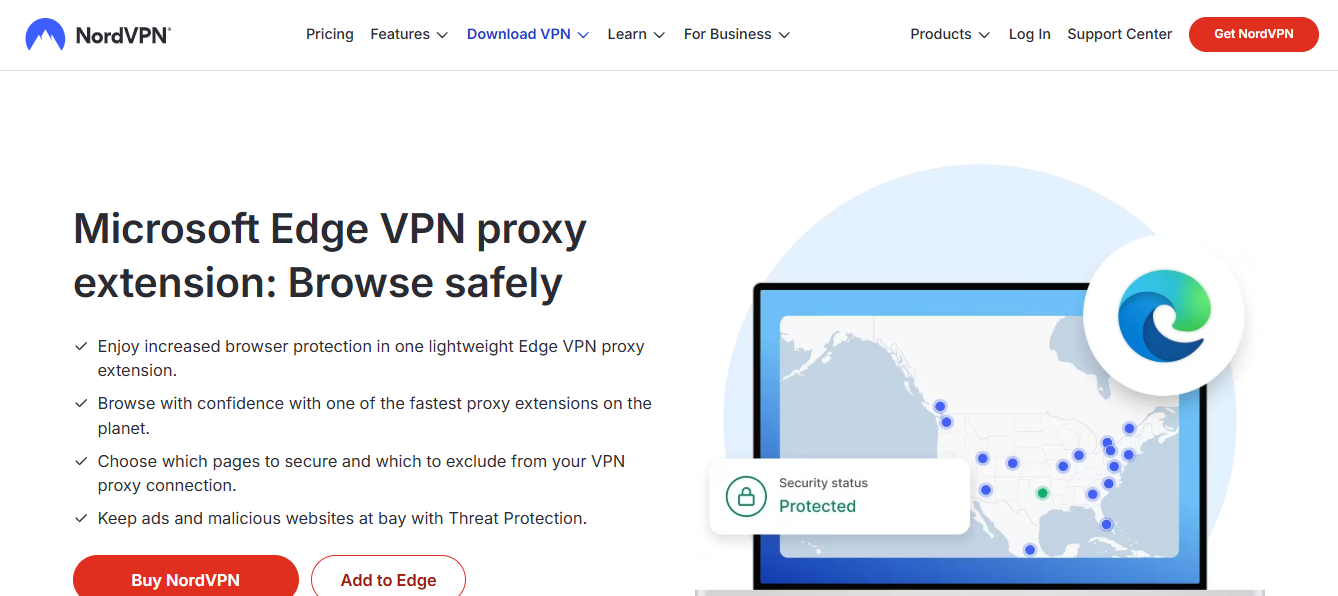
- Edge: visit the Microsoft Edge Add-ons store, search for the provider, click Get, and add extension.
- Firefox: open the Firefox Add-ons site, find the extension, and click Add to Firefox.
- Sign in or create an account inside the extension. Some extensions allow “guest” mode, but for full feature access you’ll want an account.
- Select a server in or near Egypt. If the provider offers a dedicated Egypt endpoint, choose that. If not, a nearby Middle East server may still offer good performance and access to region-locked content.
- Turn on the VPN extension. Confirm it says “connected” and watch for the status indicator in the toolbar.
- Perform a quick check to verify your IP address and DNS:
- Visit a site like ipinfo.io to confirm the IP shows an Egyptian or appropriate location.
- Run a DNS leak test to ensure queries aren’t leaking to your ISP.
- Optional hardening steps:
- Enable WebRTC leak protection if the option is available.
- Turn on auto-connect so you don’t forget to enable protection on public networks.
- Use the kill switch if you’re sensitive to traffic leaks.
- Test your streaming or browsing needs. If content still appears restricted, switch servers or try a different Egyptian endpoint if offered by your provider.
Data, reliability, and performance in Egypt’s context
- Egypt has periodically intensified internet safeguards and throttling in certain situations, which can affect VPN performance. On a typical day, a well-maintained Egypt-focused VPN extension can offer a noticeable privacy boost and faster access to Egypt-only content compared with non-VPN connections.
- VPN performance often depends on:
- The number of available Egyptian or regional servers.
- The core encryption overhead and the server’s regional routing quality.
- Your base internet speed and the distance to the VPN endpoint.
- The time of day and network congestion.
- Practical tip: if you notice buffering while streaming, switch to a nearby server or use a different protocol some extensions allow you to pick between WireGuard, OpenVPN, or IKEv2. Also, consider using a wired connection or a stable Wi-Fi network to minimize packet loss.
Privacy, security, and best practices
- Use a trusted provider: a reputable company with a transparent privacy policy, regular independent audits if available, and a clear no-logs statement.
- Enable DNS leak protection and a kill switch: these are your fastest routes to keep your real IP from slipping out.
- Be mindful of browser fingerprinting: even with a VPN extension, many sites can still track you through fingerprints. Consider using privacy-minded browser settings and extensions.
- Avoid using free VPN extensions: free options often monetize your data, slow you down, or lack critical security features.
- Keep the extension updated: developers frequently push security patches. enable automatic updates if possible.
- Review local laws: while VPNs are common tools, some operations or activities could be restricted in certain jurisdictions. Use VPNs responsibly and within local laws.
Use cases: practical scenarios for an Egypt vpn extension
- Casual browsing and social media access: enjoy a faster, private browsing experience without exposing your ISP to your full online activity.
- Streaming content: access Egyptian streaming libraries or content restricted to certain regions, while staying mindful of terms of service.
- Remote work and study: protect your login credentials and sensitive work data on shared networks or hotels’ public Wi-Fi.
- Travel and expatriate use: keep a familiar browsing experience when connected to public networks abroad, potentially avoiding local censorship filters.
Real-world tips and caveats
- Not all sites tolerate VPNs well, especially streaming services. If a site detects VPN traffic, you may need to switch servers or disable the VPN for that site.
- Some websites require you to log in to your account. A VPN can complicate login flows if two-factor authentication or unusual location alerts are triggered. Have backup verification options ready.
- If you rely on a VPN extension on mobile, remember that mobile browsers often share a smaller surface area. For heavier privacy needs, consider a full VPN app with device-wide protection.
Personal experience: what to expect from Egypt vpn extension in daily use
From my experience, browser extensions are a convenient first step when you want to try privacy improvements without committing to a full app. They’re easy to toggle on and off, quick to set up, and you can keep your normal workflow on most websites. If you frequently switch between countries or need more control like routing all traffic, not just the browser, you’ll appreciate a full VPN app that covers your entire device. The trick is to start small, test one or two reputable providers, and measure how it impacts your day-to-day browsing and any streaming you do.
Top providers with Egypt-friendly servers and robust browser extensions
- NordVPN: strong overall privacy, a capable browser extension, and a reliable network with Egyptian endpoints in many cases. The banner above links to a substantial discount.
- ExpressVPN: known for fast connections and broad device support, including browser extensions.
- Surfshark: competitive pricing, unlimited device connections, and a solid set of privacy features in extensions.
- CyberGhost: user-friendly, good for beginners, with a broad server network and extensions.
- ProtonVPN: strong emphasis on privacy, with a transparent policy and reliable security features.
Note: Always verify current server availability in Egypt or nearby regions, as networks can change, and providers periodically reconfigure their server lists.
Security considerations for Egypt vpn extension users
- Ensure your extension uses strong encryption AES-256 and modern protocols WireGuard or OpenVPN variants.
- Confirm that WebRTC and DNS leak protections are enabled by default or easily toggleable.
- Use a kill switch, especially on public networks, to prevent accidental exposure if the connection drops.
- Be cautious with browser fingerprinting: VPNs help, but they aren’t a silver bullet for online anonymity.
- Periodically review the privacy policy and any data retention statements your provider publishes.
Frequently Asked Questions
Frequently Asked Questions
What is an Egypt vpn extension?
An Egypt vpn extension is a browser-based tool that routes your browser traffic through VPN servers located in or near Egypt to enhance privacy, bypass some regional blocks, and access content available in that region.
Are browser VPN extensions safe to use?
Yes, with caveats. Stick to reputable providers, keep extensions updated, and enable essential protections like DNS leak protection and a kill switch. Avoid extensions from unknown sources, as they can log or mishandle your data. Edgerouter x sfp vpn setup 2026
Can an Egypt vpn extension bypass geo-restrictions for streaming?
It can help access some geo-restricted content, but streaming services increasingly detect and block VPNs. If a service detects the VPN, you may need to switch servers or disable the VPN for that particular service.
How do I install an Egypt vpn extension on Chrome?
Install from the provider’s official extension page in the Chrome Web Store, sign in, select an Egyptian server if available, and toggle the extension on. Then verify your IP shows an Egyptian location.
What’s the difference between a browser extension and a full VPN app?
A browser extension covers only browser traffic. a full VPN app covers all traffic on your device, provides more advanced privacy features, and can offer system-wide protection.
Do I need a paid plan to use an Egypt vpn extension?
Many reputable providers offer free trials or limited free tiers, but paid plans typically deliver better performance, more robust security, and access to a broader set of servers, including Egyptian endpoints.
Will a VPN extension slow down my connection?
Sometimes, yes, because your data has to travel to a remote server and be encrypted. A high-quality provider with modern protocols like WireGuard often minimizes speed loss, but you may still notice some decrease depending on server load and network conditions. Edgerouter vpn site to site 2026
Can ISPs or the government block VPNs in Egypt?
Governments can regulate or disrupt VPN services, and some VPNs may be blocked or throttled. Using a reputable provider with regularly updated technology and servers can mitigate this risk, but there’s no absolute guarantee.
How can I test for IP and DNS leaks?
Visit ipinfo.io to confirm your IP shows the VPN’s location. Then run a DNS leak test for example, dnsleaktest.com to ensure your DNS requests aren’t leaking to your ISP or local networks.
Is using a VPN legal in Egypt?
The legal around VPNs can be nuanced and change over time. In many cases, using a VPN for legitimate privacy and security purposes is tolerated, but accessing restricted content or evading government controls can raise legal concerns. Always stay informed about local laws and use VPNs responsibly.
Can I use an Egypt vpn extension on mobile browsers?
Yes, many providers offer mobile browser extensions or companion apps. For full protection on mobile, you may prefer a dedicated VPN app that covers both the browser and other apps on your device.
How do I choose the right Egypt vpn extension for me?
- Start with a reputable provider that offers Egyptian endpoints and robust security features.
- Check for DNS leak protection, a kill switch, and split tunneling.
- Consider browser compatibility, device support, and the availability of a trial or money-back guarantee.
- Read recent user reviews about performance in Egypt to gauge real-world speeds.
Can I use an Egypt vpn extension with multiple browsers at once?
Most extensions support multiple browser instances, but the extension itself is installed per browser. If you use Chrome and Firefox, you’ll generally install the extension in each browser and sign in separately. Edgerouter vpn ipsec not configured 2026
What should I do if an Egyptian website detects the VPN?
Try switching to a different server or protocol, clear the browser cache, and ensure WebRTC leak protection is enabled. If issues persist, contact the provider’s support for guidance.
Are there privacy considerations when using a browser extension?
Yes. Extensions can access browser data and sometimes broader permission sets. Always review the extension’s permissions, privacy policy, and whether it logs any user data. Prefer providers with transparent privacy practices and independent audits if available.
How often should I update my VPN extension?
Keep extensions updated to access the latest security patches and features. Most modern browsers auto-update extensions, but you can verify in your browser’s extension settings.
Can a VPN extension protect me on public Wi-Fi?
Yes, it can significantly reduce risk by encrypting traffic and masking your IP, which helps protect sensitive data on public networks.
How do I troubleshoot common issues with an Egypt vpn extension?
- If the browser shows “not connected,” reselect a server and reconnect.
- If a site won’t load, try a different server or turn off WebRTC leakage and try again.
- If speeds are slow, switch servers, use a different protocol, or test at a different time of day.
- If DNS leaks occur, enable DNS leak protection and verify with a DNS leak test.
Closing notes for viewers Edgerouter x l2tp vpn setup 2026
- A browser extension is a handy first step toward better privacy and accessing region-specific content, especially in contexts where you primarily use a browser for your daily browsing.
- If you need stronger, device-wide privacy protection or require consistent performance for streaming or work across apps, consider pairing a browser extension with a full VPN app from a trusted provider.
- Always stay mindful of privacy best practices, keep software updated, and be aware of local regulations.
Remember, you can explore the NordVPN option shown in the banner for a substantial discount, which can be a great way to test a premium service without paying a premium price upfront. If you’re new to VPNs, start with a browser extension to see how it fits with your browsing habits, then expand to a full VPN solution if you want more comprehensive protection across your devices.
Edge secure network vpn review