
Finding secure vpns on github your guide to open source privacy is your quick-start overview of evaluating, using, and contributing to VPN projects hosted on GitHub while keeping your privacy intact. Here’s the short answer up front: yes, you can find legitimate, privacy-focused VPNs in open source communities, but you must separate the wheat from the chaff with clear checks, community signals, and ongoing audits. This guide will walk you through a practical, step-by-step approach, plus a handful of tools, best practices, and real-world tips. If you’re in a rush, you can skim this structure:


- Why open source VPNs matter for privacy
- How to spot trustworthy GitHub VPN projects
- Practical steps to vet code and maintainers
- Popular open source VPN options and their trade-offs
- How to use an open source VPN safely
- Common pitfalls and red flags
- Frequently asked questions
Useful URLs and Resources text only:
- Open Source Initiative - opensource.org
- GitHub Documentation - help.github.com
- The Linux Foundation - linuxfoundation.org
- Mozilla Open Source Support - moss.mozilla.org
- CVE Details - cve.mitre.org
- NIST Privacy Framework - csrc.nist.gov
- Open VPN Project - openvpn.net
- WireGuard - www.wireguard.com
- Tor Project - www.torproject.org
- Stack Overflow - stackoverflow.com
Introduction Finding secure vpns on github your guide to open source privacy: I’ll show you how to locate reputable VPN projects on GitHub, assess their security posture, and use them safely. This post blends practical steps, checklists, and real-world examples so you can both understand and participate in open source VPNs without compromising your privacy. You’ll get:
- A clear criteria checklist for judging project trustworthiness
- A step-by-step vetting workflow from code audits to maintainer signals
- A quick starter list of well-regarded open source VPNs and related tools
- Practical tips for daily use, updates, and incident response
- A FAQ section to clear up common doubts
What makes VPNs open source and why it matters
- Transparency and auditability: Open source code means experts outside the original team can audit for backdoors, leaks, or privacy violations.
- Community governance: Active maintainers, clear issue tracking, and public roadmaps indicate a healthier project.
- Reproducibility: Public build instructions and reproducible binaries reduce the risk of tampered software.
Key signals of a trustworthy GitHub VPN project
- Active development: Regular commits, recent issues, and frequent pull requests indicate ongoing care.
- Maintainer responses: Timely, transparent replies to security questions or vulnerability reports are a good sign.
- Clear security posture: Explicit security goals, threat models, and documented hardening practices.
- Audit and test artifacts: Public test suites, fuzzing reports, and third-party audits or copies of audit reports.
- Dependency hygiene: Up-to-date dependencies and minimal third-party risk.
Vetting a GitHub VPN project: a practical workflow Step 1: Define your privacy needs
- What data do you want to minimize DNS requests, IP leaks, telemetry?
- Do you require a full VPN client, or also a server component you control?
- Is platform support important Windows, macOS, Linux, Android, iOS?
Step 2: Scan the project’s fundamentals
- Read the README, CONTRIBUTING, and SECURITY.md if present.
- Check the license to ensure it aligns with your usage and redistribution needs.
- Look for a documented threat model and privacy policy within the repo or linked docs.
Step 3: Assess code quality and security posture
- Review the code changes in the latest months for sensitive areas networking, cryptography, credential storage.
- Check for unit tests and integration tests; see if tests cover edge cases like DNS leaks or IPv6 issues.
- Confirm usage of modern cryptographic primitives and secure defaults.
Step 4: Inspect community and governance
- Active maintainers with time-stamped commits and issue replies within a few days.
- Clear contribution guidelines and reviewed pull requests.
- Public disclosure practices for security vulnerabilities.
Step 5: Verify build and distribution integrity
- Look for reproducible builds, CI logs, and hash checksums for binaries.
- Check if there are signed releases and how keys are managed.
- See if there are automated checks for known vulnerabilities e.g., Dependabot, Renovate.
Step 6: Run a safe test locally
- Use isolated environments VMs or containers to test; avoid exposing real credentials.
- Verify leak checks DNS, kill-switch behavior, IPv6 leaks.
- Analyze network traffic for unexpected data exfiltration.
Step 7: Consider third-party reviews and community sentiment
- Look for independent security analyses, blog posts, or write-ups about the project.
- Review issues labeled security or vulnerability and how they were resolved.
Step 8: Make a practical choice
- If you need strong privacy assurances, prefer projects with explicit security documentation and third-party audits.
- For hobbyist use or learning, you might use well-supported projects with active communities and robust issue tracking.
Popular open source VPN options and how they stack up
WireGuard
- Strengths: Modern, fast, minimal attack surface, strong cryptography, simple design.
- Considerations: Userland tooling varies across platforms; not a full VPN solution by itself—needs configuration and often a server or cloud setup.
- GitHub presence: Actively maintained, extensive community, official implementations and documentation.
OpenVPN
- Strengths: Time-tested, flexible, broad platform support, proven security track record.
- Considerations: Potentially heavier than WireGuard; configuration can be complex for beginners.
- GitHub presence: Mature project with lots of community involvement and robust security discussions.
LibreSwan / strongSwan IPsec-based solutions
- Strengths: Strong cryptographic foundations; good for site-to-site VPNs.
- Considerations: IPsec configuration can be tricky; not a single client but a suite of components.
- GitHub presence: Active forks and related projects with security-focused discussions.
Libreswan’s and strongSwan’s open source VPN components
- Strengths: Enterprise-grade security features, audits, and documented best practices.
- Considerations: Requires careful deployment planning; may be heavy for casual use.
- GitHub presence: Regular updates and security advisories.
OpenZiti
- Strengths: Zero-trust networking approach; focuses on privacy-by-design with software-defined perimeters.
- Considerations: Different model from traditional VPNs; may require more setup.
- GitHub presence: Growing community, active development.
Security best practices when using open source VPNs
- Use official releases and verify checksums or signatures before installing.
- Run VPN clients in sandboxed or isolated environments when possible.
- Regularly update to security-patched versions; enable automatic updates if supported.
- Disable unnecessary telemetry or data collection in client configurations.
- Use strong authentication methods e.g., multi-factor authentication for server access, certificate-based auth where feasible.
- Implement a kill switch to prevent IP leaks if the VPN disconnects.
- Store credentials securely, using environment variables or secret management tools.
How to contribute to open source VPN projects
- Start by filing well-documented issues describing bug reports or feature requests.
- Help with documentation: write clear usage guides, runbooks, or security notes.
- Improve tests: add unit tests for edge cases like DNS leaks or IPv6 behavior.
- Review pull requests: provide constructive feedback and ask for reproducible steps.
- Participate in security discussions: share threat models and hardening ideas with the maintainers.
Common red flags to watch for
- No clear security documentation or threat models.
- Infrequent commits or long periods of inactivity from maintainers.
- Lack of transparency around audits, key management, or release signing.
- Unclear licensing or licensing mismatches.
- Permissions requests in apps that seem unrelated to VPN functions.
Deployment and operational tips for daily use
- Separate VPN usage in a dedicated user profile or container to minimize cross-app data exposure.
- Regularly review connected devices and server access logs if you operate a self-hosted solution.
- Consider a multi-hop setup for additional privacy, but be mindful of performance trade-offs.
- Use DNS leak protection and blocking of IPv6 traffic when your VPN isn’t handling it properly.
- Periodically test your VPN’s kill switch and revalidate your privacy posture after major updates.
DIY: setting up a basic open source VPN high-level
- Choose a solid core WireGuard for simplicity or OpenVPN for flexibility.
- Spin up a server in a trusted environment cloud provider or your own hardware.
- Generate and distribute keys/certs securely.
- Configure client profiles with minimal privileges and clear routing rules.
- Enable logging that helps you troubleshoot without exposing sensitive data.
- Validate the connection by checking IP address, DNS leaks, and traffic patterns.
Case studies and real-world notes
- A small startup migrated to WireGuard-based VPNs for internal access; they highlighted speed and simpler configuration, but required careful key management and automated rotation.
- A security-conscious community migrated to OpenVPN with explicit audit reports; they benefited from strong legacy tooling and robust documentation.
FAQ section
| VPN | Obfuscation | From / month | Plan | Free plan | Refund | Alipay | UnionPay | Crypto | Website opens in China | Trustpilot | |
|---|---|---|---|---|---|---|---|---|---|---|---|
 NordVPN | Turn on manually Obfuscated Servers / NordWhisper | $3.49/mo | 27 months: $94.23 | No | 30 days | ? | ✗ | ✓ | ✓ | ✗ Blocked | 4.2/5 (51,628 reviews) |
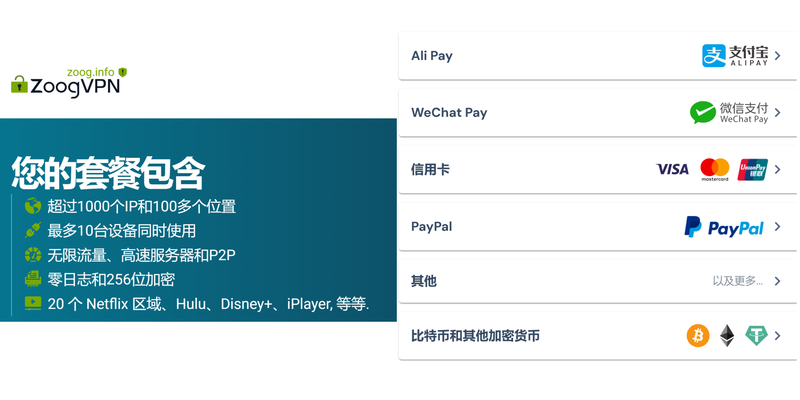
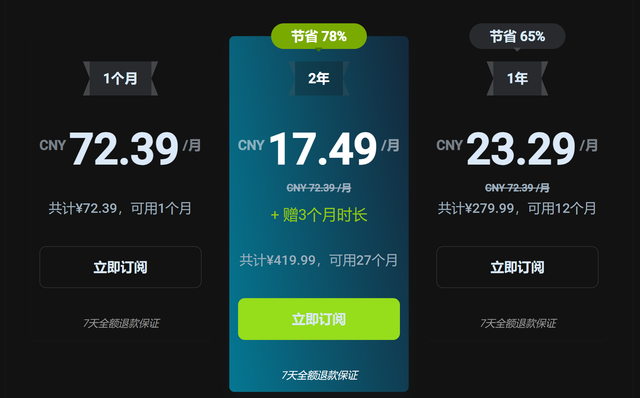
 ZoogVPN | Turn on manually Shadow | $2.49/mo | 27 months: $59.99 | Yes | 7 days | ✓ | ✓ | ✓ | ✓ | Official site blocked; our special link opens (4.4 s) | 4.2/5 (195 reviews) |
 ExpressVPN | ✓ On by default all servers | $3.00/mo | 28 months: $84 | No | 30 days | ✗ | ✗ | ✓ | ✗ | ✗ Blocked | 4.4/5 (29,706 reviews) |
 Surfshark | ✓ On by default Camouflage, with OpenVPN | See site | See site | No | 30 days | ✗ | ✗ | ✗ | ✓ | ✗ Blocked | 4.3/5 (31,823 reviews) |
 Proton VPN | Turn on manually Stealth, free plan too | $2.99/mo | 12 months: $35.88 | Yes | 30 days | ✗ | ✗ | ✗ | ✓ | ✗ Blocked | 2.1/5 (1,040 reviews) |
 Astrill VPN | Turn on manually StealthVPN / OpenWeb | $12.50/mo | 24 months: $300 | No | See site | ✗ | ✗ | ✗ | ✓ | ✗ Blocked | 1.3/5 (110 reviews) |
 Private Internet Access | Turn on manually Shadowsocks, OpenVPN only | $2.03/mo | 40 months: $81.2 | No | 30 days | ✗ | ✗ | ✗ | ✗ | ✗ Blocked | 4.2/5 (11,033 reviews) |
 CyberGhost | Turn on manually selected servers | $2.19/mo | 28 months: $61.32 | No | 45 days | ✗ | ✗ | ✗ | ✓ | ✗ Blocked | 4.0/5 (24,178 reviews) |
 PureVPN | Turn on manually switch to OpenVPN | $1.69/mo | 60 months: $101.55 | No | 31 days | ? | ? | ✗ | ✓ | ✗ Blocked | 4.4/5 (17,994 reviews) |
 AdGuard VPN | ✓ On by default TrustTunnel | $2.99/mo | 24 months: $71.76 | Yes | 30 days | ✓ | ✗ | ✓ | ✓ | Official site blocked; our special link opens (3.7 s) | 4.3/5 (290 reviews) |
 Mullvad | Turn on manually QUIC / Shadowsocks / LWO | $5.61/mo | €5/mo | No | 14 days | ✗ | ✗ | ✗ | ✓ | ✗ Blocked | 3.2/5 (192 reviews) |
 Windscribe | Turn on manually Stealth / WStunnel | $5.75/mo | 12 months: $69 | Yes | See site | ✗ | ✗ | ✗ | ✓ | ✗ Blocked | 4.7/5 (13,355 reviews) |
 StrongVPN | Turn on manually Scramble, OpenVPN TCP | See site | See site | No | 30 days | ✓ | ✗ | ✗ | ✗ | ✗ Blocked | 4.4/5 (2,695 reviews) |
 LightXtreme 闪连 | Not listed | $7.08/mo | 12 months: $84.99 | Yes | 30 days | ✓ | ✓ | ✓ | ✓ | ✓ Yes (3.5 s) | No page |
Prices checked 2026-11-10 on each vendor's pricing page (cheapest long plan, USD). Check the vendor's checkout for the final price.
Obfuscation checked 2026-11-14 on each vendor's site and help center: "on by default" = nothing to set; "turn on manually" = switch protocol or mode in settings; "not listed" = the vendor describes no obfuscation.
Payment methods checked 2026-11-10 on each vendor's payment pages: all 14 take cards and PayPal; ✗ = not listed, ? = the vendor's own pages disagree.
China access: whether the official website opens from mainland China networks (tests the website only, not the VPN connection). Last checked 2026-11-18 01:02 Beijing time.
Trustpilot score and review count checked 2026-11-10.
Frequently Asked Questions
What is the best open source VPN for privacy?
The best option depends on your needs. WireGuard offers speed and simplicity with strong crypto, while OpenVPN provides more mature tooling and compatibility. For enterprise-style setups, IPsec-based solutions like strongSwan or Libreswan are solid. Look for projects with active maintenance, clear security docs, and third-party audits.
How do I verify a GitHub VPN project is trustworthy?
Check for recent activity, active maintainers, a published security policy, public audits, and reproducible builds. Read the code reviews in pull requests, and look for a documented threat model and privacy impact assessments.
Is OpenVPN open source?
Yes. OpenVPN is open source and widely audited. It has a long history and a large community, which helps with transparency and security.
Are there risks using VPNs from GitHub?
Yes. Risks include poorly maintained projects, hidden telemetry, insecure defaults, or compromised releases. Always verify signatures, keep software updated, and prefer projects with transparent governance and audits.
How often should I update my VPN software?
As soon as security updates are released. Enable automatic updates if available, and periodically check for new advisories or CVEs related to your VPN software. Is Mullvad VPN Good for China A Deep Dive Into Bypassing The Great Firewall
What is a DNS leak and how do I prevent it?
A DNS leak happens when DNS requests bypass the VPN tunnel, revealing your browsing activity. Use built-in DNS leak protection, force all traffic through the VPN, and disable IPv6 if your VPN doesn’t handle IPv6 traffic securely.
Can I self-host a VPN using open source tools?
Absolutely. Self-hosting gives you more control but requires careful configuration, secure key management, and ongoing maintenance. Start with a well-documented project and a plan for regular audits and updates.
How do I audit a VPN project for security?
Review the threat model, run the latest builds in a controlled environment, examine cryptographic choices, test for DNS leaks, evaluate dependency security, and verify release signing practices.
What’s the difference between VPNs and zero-trust networking?
Traditional VPNs tunnel all traffic to a central network. Zero-trust networking focuses on authorizing each connection and segmenting access, reducing the blast radius if credentials are compromised. Open source projects are starting to explore both approaches.
Note: This content mentions an affiliate link to NordVPN. If you’re curious about quick, user-friendly options while you explore open source privacy, you can check out this resource: NordVPN – click here to learn more. The underlying URL remains the same: https://go.nordvpn.net/aff_c?offer_id=15&aff_id=132441 Forticlient VPN Not Working on Mac Here’s How to Fix It
End of FAQ.