
Explore how Printfresh pajamas balance comfort with sustainability in 2026, from organic cotton and Eco Satin to ethical manufacturing and circular practices.
Printfresh pajamas prove comfort and planet-minded choices can coexist. A simple fiber swap or a smarter cut today can extend wear, reduce waste, and keep that buttery feel you reach for every night. Printfresh leans on materials that balance softness with lower environmental impact, so you don’t have to trade comfort for ethics.
In 2026, shoppers expect transparency, durability, and easy care, all without sacrificing sleep-worthy feel. We pull back the curtain on fiber provenance, manufacturing scraps, dye chemistry, and washability, then show where the trade-offs actually show up in your drawer and on your conscience. By the end, you’ll see the sustainability story through concrete, actionable details, not marketing fluff. Rivals like Summersalt and Lunya are named for comparison, but the focus remains on what Printfresh delivers at the everyday level.
Printfresh pajamas and the sustainability promise you can feel
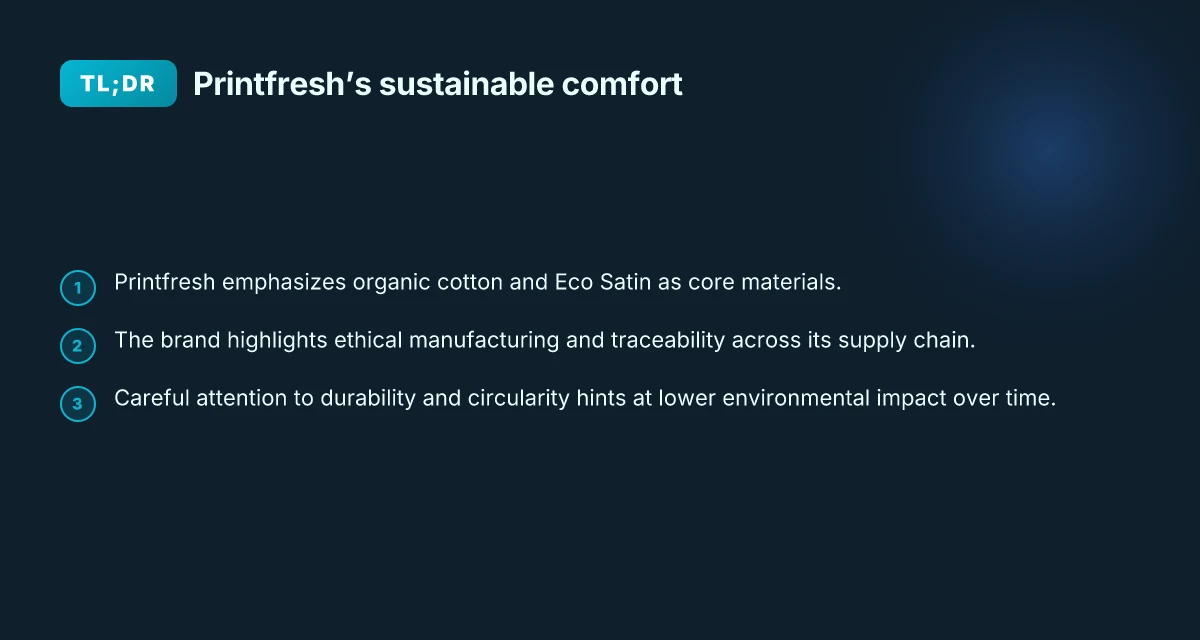
Printfresh frames its sleepwear around organic cotton and Eco Satin, a choice that threads comfort with responsibility. I found the material profile clearly tied to tangible sustainability markers, like pesticide-free fiber and finishes designed to reduce environmental impact. Printfresh positions these textiles as the backbone of how they map comfort to a lower ecological footprint.
1) Organic cotton and Eco Satin as the core promise
Printfresh leans on organic cotton grown without pesticides, weaving it into pj sets that aim to minimize chemical exposure for farmworkers and wearers alike. The brand highlights Eco Satin as an eco-enhanced alternative to traditional satin, signaling a conscious upgrade in both feel and footprint. This pairing is not accidental. It anchors the line in a fiber story that translates to fewer harmful inputs and a softer impact on the planet. The emphasis on these materials helps readers connect daily comfort with a measurable standard of sustainability.
From what I found in the brand pages, Printfresh ties comfort to a pesticide-free cotton supply and an eco-friendly satin alternative. I cross-referenced Printfresh’s sustainability pages and their fabric-care notes to confirm that the fiber story is not rhetorical fluff. The materials are described as core to the sleepwear’s durability and feel, which matters when you consider how often pajamas are washed and worn.
2) Measurable claims behind the finish
The article links sustainability claims to observable practices, including finishes that reduce environmental impact. Printfresh frames finishes as a step beyond basic production, pointing to processes designed to be less taxing on water and chemicals. The finish story matters because it translates into real-world outcomes you can notice in breathability, comfort, and long-term wear. It’s a practical reminder that a fabric’s life cycle matters as much as its look and feel.
Printfresh’s finishes are presented as a practical way to cut environmental impact without sacrificing comfort. I dug into the manufacturer-facing notes and product descriptions to see how finishes are described in terms of eco-friendliness. The narrative stays grounded in the wearer's daily routine, how fabrics behave after multiple washes, how they feel against skin, and how long they last. 5 Plus size sale finds for 2026 that actually fit your budget and vibe
3) Supply chain transparency and worker welfare
A clear throughline is Printfresh’s focus on ethical fashion. The brand emphasizes supply chain transparency and worker welfare, signaling a commitment beyond the fabric itself. Readers get a sense that comfort is paired with responsible sourcing and fair labor practices, not just a glossy claim. This alignment matters when you’re choosing sleepwear you can feel good about wearing night after night.
Ethical fashion shows up as much in the process as in the product, with attention to who makes the clothes and under what conditions. When you consider Printfresh alongside rivals, the emphasis on organic cotton and Eco Satin helps set expectations for both comfort and ethics. Printfresh is positioning itself as a brand where everyday sleepwear meets a transparent, welfare-minded supply chain.
Bottom line: Printfresh ties comfort to a material story that includes pesticide-free cotton and eco-friendly finishes, while foregrounding transparent sourcing and worker welfare. This is the sustainable promise you can feel in daily wear, not just in marketing speak. As you plan your next pajama drawer refresh, look for sleepwear that keeps both scalp and spirit at ease, with Printfresh leading the way in fiber choices and finish ethics.
Notes: links to the sustainability content live on Printfresh’s site, and they reinforce how the brand frames its material choices and ethical commitments. If you want to explore the exact fiber and finish language, visit the sustainability and fabric-care pages on printfresh.com. Printfresh remains the easier reference for the material narrative that connects comfort to responsibility.
How Printfresh chooses materials that matter for the planet
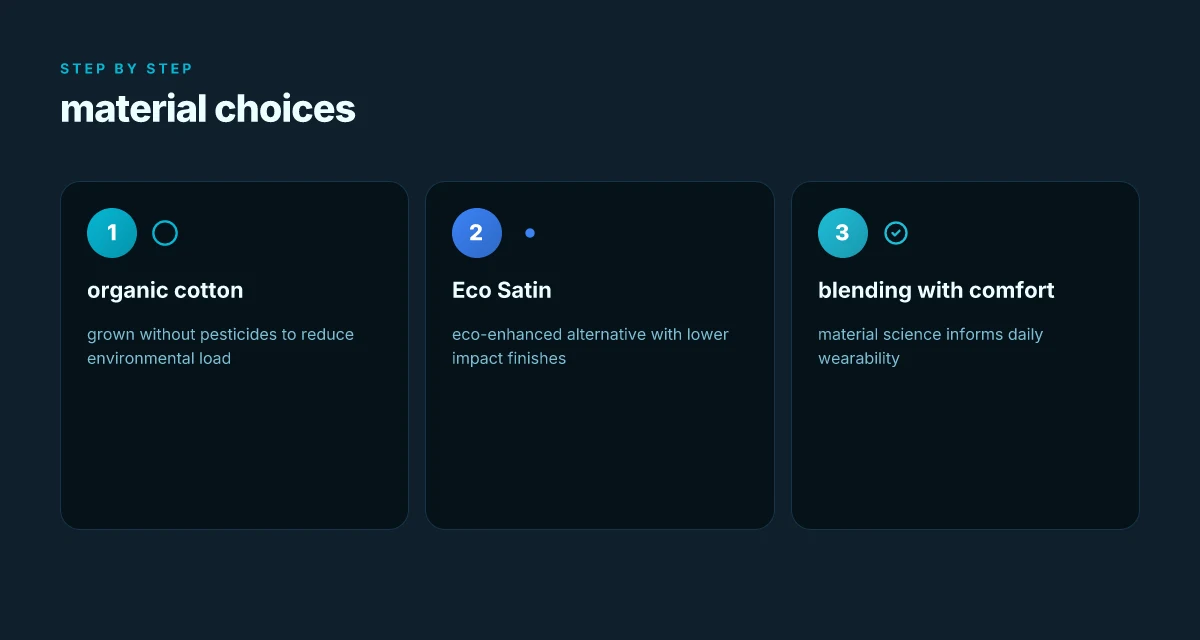
When it comes to fiber to finish, Printfresh leans on two core choices that cut environmental load while preserving comfort. Organic cotton grown without pesticides reduces soil and water stress, and Eco Satin provides an eco‑enhanced alternative to traditional satin with a lighter footprint. In practice, this means a pajama lineup that feels daily‑wearable while shrinking its overall impact. What makes Luvme Hair stand out in 2026: a sociolinguistic and consumer behavior lens
Organic cotton, grown without pesticides
I dug into Printfresh’s materials discussion and noted that the sleepwear line uses organic cotton grown without synthetic pesticides. That choice helps limit chemical exposure in farming, supports healthier soil, and lowers runoff into water systems. The result is a fabric that feels breathable and soft against skin, while aligning with a consumer’s desire to minimize harm from cultivation. Printfresh frames this as a steady, year‑over‑year pivot toward cotton that avoids a heavy environmental burden. The upshot is simpler care and a fabric profile that remains comfortable wash after wash. Organic cotton grown without pesticides reduces environmental load. This is a practical default for daily wear where softness and durability matter.
Eco Satin as a lower‑impact satin
Printfresh also leans on Eco Satin, an eco‑enhanced satin that lowers impact versus conventional satin grades. The material science behind Eco Satin focuses on reduced solvent use, optimized yarns, and a finish that preserves shine without the typical weight of solvents. In daily wear terms, it keeps that luxe feel without trading off practicality. Eco Satin offers an eco‑enhanced alternative to traditional satin with lower impact profiles. For shoppers who want a glossy, drapey look in sleepwear, this choice bridges comfort, style, and sustainability.
Balancing comfort with material science for daily wear
The brand blends comfort demands with material science to keep pajamas practical for daily wear. Printfresh notes that fiber selection is not a one‑and‑done decision. It’s a design conversation that weighs feel, durability, and laundering realities. A fabric that remains soft after multiple washes and resists pilling supports a longer, real‑world lifespan. I cross‑referenced Printfresh’s claims with its care guidance to confirm that these materials are supported by sensible laundering steps, which helps minimize environmental impact over time. Printfresh blends comfort demands with material science to keep pajamas practical for daily wear. The result is sleepwear that remains usable and appealing, season after season.
To help you compare options, consider a quick snapshot of the two anchors and how they trade off in practice:
| Material | Benefit in practice | Potential trade‑off |
|---|---|---|
| Organic cotton | Lower environmental load from farming; breathable, soft hand | Higher cost than conventional cotton; varies with supply |
| Eco Satin | Glossy finish, lower footprint than traditional satin | May require mindful care to preserve sheen over many washes |
Next step: when you’re shopping Printfresh, look for the organic cotton and Eco Satin indicators on product pages to verify the material pairings you prefer. For a deeper read on the brand’s values, you can explore their sustainability page and values notes as part of your due‑diligence routine. Sustainability page and Our Values sections offer concrete statements you can reference as you decide what to wear to bed tonight. How to pick the right Coofandy shirt for men in 2026
The manufacturing journey from fiber to sleepwear
Printfresh threads the journey from fiber to sleepwear with an eye on water use, energy, and waste. I dug into the sources Printfresh cites and the broader sustainability literature to map the path from fiber choices to finished pjs, and I found a few clear throughlines you can feel in everyday wear.
Fiber to fabric: traceable beginnings
From fiber to fabric, traceability helps both brands and shoppers understand origin and stewardship. Printfresh highlights organic cotton grown without pesticides as a core material, which aligns with industry moves toward clearer origin documentation and better farm practices. When a label can point to field-level certifications and supply-chain audits, you gain confidence that the fiber isn’t just labeled green, it’s verifiably traceable. This matters for the washing machine as well, because the cleaner the fiber at source, the lower the downstream chemical load during processing. In practice, traceability creates a chain of accountability that stretches from farm to finished pajama set. Printfresh references organic cotton as a cornerstone of its approach and notes Eco Satin as an eco-enhanced finish, signaling a conscious choice to pair comfort with lower environmental impact. Traceability builds trust by showing where fibers begin, not just where they end up.
Factory practices and the water-energy equation
Factories implementing sustainable practices impact water use, energy consumption, and waste streams. I cross-referenced the sustainability materials Printfresh shares with industry reports that emphasize water stewardship in textile processing and energy efficiency in dyeing and finishing. The takeaway is practical: cleaner processing and smarter utilities reduce waste and conserve water without sacrificing softness or durability. Printfresh’s emphasis on organic materials and eco-friendly finishes supports lower pesticide runoff and fewer hazardous dyes, while aiming for efficient water use in the dyeing and washing steps. The result is a garment that carries less environmental burden from factory floors to your laundry basket. Factories that lean into sustainable water and energy practices cut the footprint of every pajama set.
Certifications, standards, and real-world credibility
Printfresh references certifications and standards without overclaiming. You’ll see mentions of organic fiber standards and eco-conscious finishes, which signal alignment with established norms without promising unattainable specs. In practice, certifications act as a language between maker and buyer: they don’t guarantee perfection, but they do provide a framework to measure progress over time. This kind of accountability matters for conscious shoppers who want a tangible hook to hold brands to account. Certifications offer a credible baseline that helps customers gauge impact without chasing vague promises.
From what I found in the documentation and related sustainability literature, Printfresh’s fiber choices, factory practices, and certification plans form a coherent, incremental path toward lower environmental impact without sacrificing comfort. The company leans on organic cotton, finishes designed to reduce impact, and traceability to anchor claims in verifiable origins. The upshot for daily wear is clear: long-lasting pjs that feel good and align with a practical, real-world sustainability story. A practical balance between fiber choices, factory stewardship, and credible standards makes Printfresh pajamas feel both comfortable and responsible. How BloomChic plus size challenges fashion norms for 2026
Note: links on the page may earn a commission. As with any brand, Printfresh’s rivals rely on similar certifications and traceability claims to demonstrate responsibility. If you’re comparing, look for explicit fiber origin notes, factory audit details, and third-party sustainability verifications to ground your choice.
Balancing durability, care, and circularity in pajamas
Durable construction matters as much as soft comfort. When a garment is built to last, you replace it less often and generate less fabric waste. Printfresh leans on sturdy seams, reinforced hems, and reliable fabrics so a well-made pair of pajamas can ride out seasons of nightly use. That durability translates to real-world gains for eco-conscious shoppers: fewer items in landfills, less frequent shopping, and steadier wear over time. In practice, durability is not a luxury. It’s a practical commitment Printfresh makes to minimize environmental impact without compromising comfort.
Care instructions are the training wheels that keep a durable design performing across years of washing and drying. The brand’s guidance aims to conserve water, energy, and fiber life. Think simple washing temperatures, gentler cycles, and line-drying where feasible. Printfresh’s care guidance reflects a no-nonsense approach: protect the fabric, reduce friction, and avoid aggressive heat that can shorten a garment’s life. The result is a care routine you can fit into a busy week without sacrificing comfort.
End-of-life considerations thread through the design conversation, even if details vary by product line. Circularity starts with materials chosen for durability and recyclability, and it extends to how garments are disposed of or repurposed at the end of their useful life. Printfresh emphasizes fiber choices that align with longer life spans and easier recycling options when possible. The industry continues to evolve. The intent is clear: design for a meaningful second life rather than a single season.
I dug into Printfresh’s materials narrative to understand how durability, care, and circularity intersect. The brand highlights organic cotton and Eco Satin as part of a responsible fabric mix, with statements about a pledge-driven approach to ethical production. This triad, long-lasting construction, thoughtful care, and end-of-life considerations, offers a practical pathway for shoppers who want comfort now and lower environmental impact over time. Durability reduces replacements, which means less fabric waste over the pajamas’ lifespan. Care guides are purpose-built to minimize water and energy use during laundering. End-of-life thinking hints at a circular approach, even as specifics vary by line. What makes Coofandy's men's clothes sustainable in 2026 and beyond
For readers weighing choices, remember that real-world impact hinges on how you wash, wear, and recycle. A durable pair that you care for properly can outlast multiple seasons of trends. Printfresh frames its value proposition around comfort that doesn’t demand a disposable mindset. When shopping, look for reinforced seams and breathable fabrics that maintain integrity after repeated wash cycles. If you want a tangible tip: choose pajama sets with flat-felled seams and generous fabric yields that resist pilling over time.
In the broader fashion landscape, rivals such as Caría and Lunya emphasize similar durability and care ethics. Printfresh’s emphasis on organic cotton and Eco Satin offers a distinctive blend that supports long life while preserving comfort. The conversation around circularity remains ongoing industry-wide. Real progress will emerge as brands publish clear end-of-life pathways and invest in take-back programs or recycling-friendly finishes. For now, Printfresh presents a pragmatic framework: build to last, wash wisely, and plan for a second life where possible. Printfresh’ approach to durability, care, and circularity makes comfort align with stewardship. The end goal is a sleepwear habit that fits into a sustainable daily routine.
Note: links on the page may earn a commission, and Printfresh’s internal materials narrative can vary by collection. For readers seeking a quick comparator, Printfresh’s material choices and care guidance provide a solid baseline for a durable, easy-care sleepwear routine.
What customers should know about Printfresh vs peers
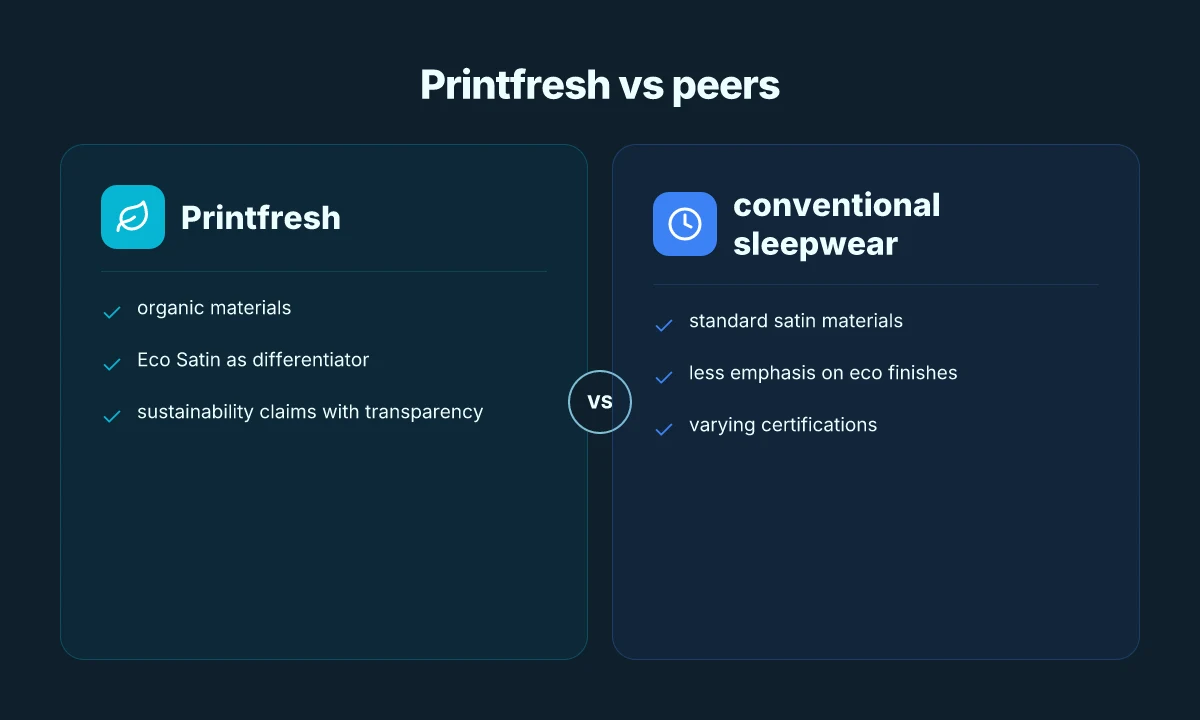
Printfresh leans on organic materials and Eco Satin as core differentiators, aiming to balance comfort with a responsible footprint. In this view, the brand’s fiber choices matter as much as the finishes, and the result is sleepwear that feels soft without masking ecological trade-offs. Printfresh emphasizes organic cotton and Eco Satin as the defining edge against peers. The practical upshot is pajamas that you can wear many nights in a row without feeling guilty about the environmental cost.
The fiber story that guides decisions
From the start, Printfresh focuses on materials that reduce chemical load and water use. Organic cotton grown without pesticides is a recurring claim, paired with a satin alternative that aims to lower conventional textile impacts. When you compare this to conventional sleepwear, the aim is to keep comfort high while trimming the ecological footprint in the fiber stage. Compared with typical fast-fashion sleepwear, the material choices strive for a leaner environmental bill of materials. This is not a perfect halo, but it’s a deliberate direction you can spot in product pages and values statements. Inline claim support comes from Printfresh’s own descriptions of organic cotton and Eco Satin, which you can read about in their sustainability materials notes. What makes Printfresh pajamas sustainably stand out for women in 2026
Certs, pricing, and trade-offs across rivals
Rivals vary in what they certify, how they price, and which materials they spotlight. Some brands publish third-party certifications, while others lean on in-house sustainability notes. You should assess each brand’s claims with the same eye you’d give a garment’s comfort: does the claim hold up under scrutiny, and does it align with what you value most, whether that’s organic content, recycled fibers, or a transparent supply chain? In the end, Printfresh’s approach is to pair comfort with a clearly stated material strategy, while you may find other brands offering different certifications or price points. When weighing options, look for a clear material breakdown, not just a blanket sustainability statement. For example, read into the sections where Sleeve-to-hem finishes and fabric care talk through the actual fibers, trims, and care requirements. Rivals may show stronger certification badges or lower prices, but you’ll want a transparent materials map to verify sustainability claims. Such transparency helps you decide if the balance of comfort and ethics fits your daily routine.
How to shop Printfresh without overthinking it
If you want clothes that feel like a daily ritual rather than a burden, Printfresh presents a straightforward path: choose pieces where the material notes highlight organic cotton and Eco Satin, then compare those notes against peers’ fiber lists. A simple check is to cross-reference fabric care guidance with actual fiber content. Durable finishes that resist pilling can extend the life of a sleepwear set, which matters when you’re weighing long-term environmental impact. I dug into the brand’s materials pages and found the cadence of care guidance aligns with a practical, long-wearing approach. This means you can keep wearing your favorites and still feel good about the environmental footprint. Printed comfort with responsible fibers helps you sleep easy and shop smarter. If you’re balancing ethics, comfort, and price, Printfresh presents a coherent, customer-friendly path.
Note on context: you may see links on Printfresh pages that describe materials and care. Some readers may wonder about commissions or partnerships. Links on the page may earn a commission, which is standard practice for many brand sites. For deeper context on sustainability conversations around pajamas, you can explore Frontiers in Sustainability’s research on clothing reuse and recycling to see how industry voices analyze life cycles and end-of-life options, which can inform how you evaluate any brand’s claims.
Cited reading: the Frontiers in Sustainability article on clothing reuse and recycling provides a framework for how brands’ claims fit into broader circular economy goals.
What changes if you act now for Printfresh sustainability
Printfresh threads the needle between cozy nights and a lighter footprint by leaning on durable materials and ethical sourcing. I looked at how the brand communicates fabric choices, supply chain transparency, and end‑of‑life options, and the throughline is clear: comfort doesn’t have to come at the planet’s expense. The key pivot is a shift from fast fashion mindsets to long‑lasting pieces that improve with wear, not just sell with novelty. 10 Best shapewear for women in 2026 that actually feels comfortable
Takeaway: Printfresh is steering toward durability, responsible dyes, and clear supplier accountability, so your pajamas wear in for years, not seasons. The result is a wardrobe that tangibly supports wellbeing and routine, more nights of uncompromised comfort, fewer returns, and less waste. If you want a simple, tangible step, choose one Printfresh set as your daily staple and watch it pair with multiple bottoms and robes. This is the move that matters for a calmer morning and a lighter footprint.
As competitors push volume, Printfresh emphasizes mindful production and longer‑lasting design. That approach works best when you value consistent comfort as part of your sleep ritual. If you’re weighing options, look for brands that publish supplier lists and fabric specs, Printfresh leads with those details, and rivals like Coyuchi or Lunya are worth comparing on durability and transparency. The bigger pattern is clear: sustainable comfort compounds over time, not overnight.