
Securely accessing mount sinais network your guide to the mount sinai vpn. If you’re trying to access Mount Sinai’s network securely from outside the campus, you’re not alone. This guide breaks down everything you need to know about using a VPN for Mount Sinai, including practical steps, common questions, and best practices. Below is a quick starter and then a deep dive with tips, checks, and real-world advice.



- Quick fact: A good VPN for Mount Sinai should encrypt your connection, minimize latency, and avoid leaking your IP or DNS data.
- What you’ll learn:
- Why VPNs matter for healthcare networks
- How to choose the right VPN for Mount Sinai
- Step-by-step setup for Windows, macOS, iOS, and Android
- Troubleshooting common issues
- Security best practices and policy considerations
- Useful resources: Apple Website - apple.com, Artificial Intelligence Wikipedia - en.wikipedia.org/wiki/Artificial_intelligence, VPN comparison sites - en.wikipedia.org/wiki/Virtual_private_network, Mount Sinai IT policies - or your internal IT portal, NordVPN deal page - https://go.nordvpn.net/aff_c?offer_id=15&aff_id=132441
Table of contents
- Why healthcare institutions like Mount Sinai require VPNs
- How Mount Sinai VPNs typically work
- VPN options you might encounter
- Quick-start: how to set up a Mount Sinai VPN
- Security considerations and best practices
- Common issues and fixes
- Performance tips for better VPN speed
- Accessibility and policy tips for researchers and clinicians
- FAQ
Why healthcare institutions like Mount Sinai require VPNs
Mount Sinai, like many healthcare organizations, uses private networks to protect patient data and ensure secure access to internal systems such as electronic health records EHR, radiology images, lab systems, and research databases. The main reasons include:
- HIPAA and data privacy compliance: Encryption at rest and in transit helps protect patient information.
- Access control: VPNs enforce identity verification and restrict access to authorized personnel only.
- Data integrity: Tunneling protocols ensure data isn’t tampered with in transit.
- Remote collaboration: Clinicians and researchers can securely access sensitive systems from offsite locations.
Security best practice takeaway: If you’re connecting remotely to Mount Sinai resources, use the approved VPN to ensure encryption, password protection, and device compliance.
How Mount Sinai VPNs typically work
- Remote user connects to the organization’s VPN gateway.
- The gateway authenticates the user often with multi-factor authentication.
- A secure tunnel is established, routing your device’s traffic through Mount Sinai’s network.
- Access to internal resources is granted based on role, device posture, and policy.
- Logs and monitoring ensure ongoing security and anomaly detection.
Common setup patterns you might see:
- Client-based VPN software installed on your device
- Web-based VPN portal no software install; browser-based access
- DOD-like or corporate-grade VPN with split tunneling or full tunneling options
- MFA prompts via authenticator apps, hardware tokens, or push notifications
Important note: Some Mount Sinai departments may require device compliance checks e.g., encryption enabled, up-to-date OS, antivirus active before VPN access is granted.
VPN options you might encounter
- Standard VPN clients: OpenVPN, Cisco AnyConnect, Pulse Secure, Fortinet FortiClient, or native OS VPN clients.
- Dual-factor and hardware token support: Expect MFA prompts after login.
- Split tunneling vs. full tunneling:
- Split tunneling lets only some traffic go through the VPN, while other traffic uses your regular internet path. This can improve speed but may leak non-secure traffic if not configured correctly.
- Full tunneling routes all traffic through the VPN, offering more security at the potential cost of speed.
What to check when choosing: Urban vpn 사용법 초보자도 쉽게 따라 하는 완벽 가이드 2026년 최신 정보
- Compliance with Mount Sinai IT policies
- Availability of MFA and single sign-on SSO
- Whether the VPN supports your operating system
- Bandwidth and latency characteristics
- Reliability and support from the IT department
Quick-start: how to set up a Mount Sinai VPN
Note: Always refer to Mount Sinai’s official IT guidance for the exact steps, and contact IT if you’re unsure.
Step 1: Prepare your device
- Ensure your OS is updated Windows 10/11, macOS, iOS, Android.
- Install antivirus and enable firewall protection.
- Have your Mount Sinai credentials ready and set up MFA if required.
Step 2: Get the official VPN client or access method
- Use the Mount Sinai IT portal or communications to download the correct VPN client.
- If you see a web-based portal option, you may be able to log in directly without installing software.
Step 3: Install and configure
- Install the VPN client according to the provider OpenVPN, AnyConnect, etc..
- Import the VPN profile or enter server addresses as instructed by Mount Sinai IT.
- Enable MFA if prompted.
Step 4: Connect Softether vpn 클라이언트 완벽 가이드 무료 vpn 설정부터 활용법까지 2026년 최신: 종합 리뷰와 실전 팁
- Open the VPN client and log in with your Mount Sinai credentials.
- Complete the MFA step.
- Confirm the VPN status shows connected and that you have an internal IP address assigned by Mount Sinai.
Step 5: Verify access
- Attempt to reach a known Mount Sinai internal resource intranet page, EHR test environment, or shared drive.
- If you can access, you’re good to go. If not, check the VPN status, MFA, and access permissions.
Quick-tip: If you’re on a corporate network, you may be prompted to connect automatically when trying to access internal resources. In that case, follow the prompts, then test with a resource you know is restricted to Mount Sinai users.
Security considerations and best practices
- Use MFA: Always enable multi-factor authentication; it adds a critical layer of protection beyond your password.
- Keep devices compliant: Ensure your device meets Mount Sinai’s security requirements disk encryption, up-to-date OS, approved antivirus.
- Be mindful of split tunneling: If your workflow doesn’t require external access, ask IT whether split tunneling is allowed or recommended for your role.
- Don't share credentials: VPN credentials must stay private. If you suspect a breach, report it immediately.
- Regularly audit connected devices: If you’ve lost a device or it’s been compromised, disconnect it from VPN and inform IT.
- Use trusted networks only: When possible, avoid public Wi-Fi for VPN access unless the VPN is mandatory and you’re using a trusted, secure connection.
Common issues and fixes
Issue: VPN not starting or client fails to connect
- Check internet connection.
- Ensure the VPN client is up to date.
- Verify your username and password and MFA status.
- Confirm you’re using the correct server or profile as provided by Mount Sinai IT.
Issue: Slow performance or high latency
- Connect to a nearby VPN server or switch to full tunneling if allowed by policy.
- Close bandwidth-heavy apps on your device.
- Verify your home network performance and ensure there’s no ISP throttling affecting VPN throughput.
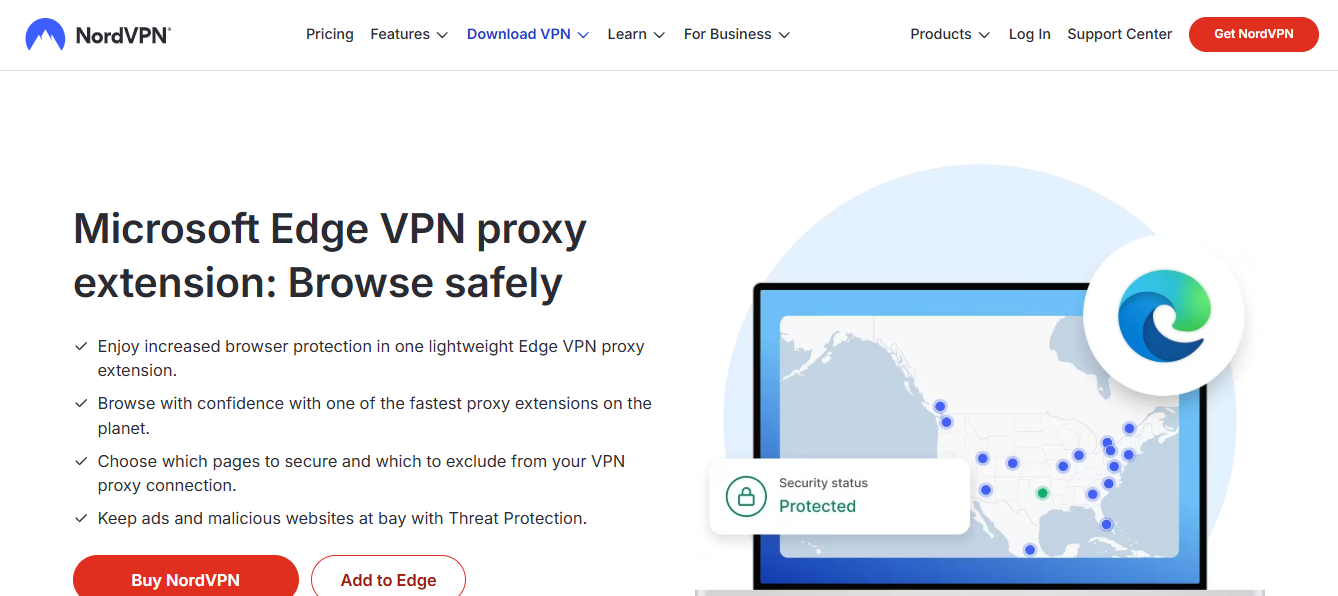
Issue: Access to internal resources not working after VPN connect Nordvpn extension for edge your quick guide to download install and use
- Confirm you’re logged into the correct account and that your group permissions include the needed resources.
- Check firewall rules on your device and ensure the VPN tunnel is not blocked.
- Contact IT for a policy check—there may be resource-specific access windows or maintenance.
Issue: MFA not working
- Check the authenticator app clock and ensure it’s synchronized.
- Use backup codes if provided by Mount Sinai.
- Contact IT if MFA provider is having outages.
Issue: DNS leaks or unprotected traffic
- Ensure the VPN is configured to route DNS requests through the VPN tunnel.
- Avoid using third-party DNS services while connected, unless allowed.
Performance tips for better VPN speed
- Choose a server close to your location to reduce latency.
- Prefer wired connections over Wi-Fi when possible, especially for critical tasks.
- Disable bandwidth-heavy applications during VPN sessions.
- If your VPN supports it, enable protocol optimization e.g., IKEv2 over UDP, OpenVPN with UDP as recommended by IT.
- Keep your device cool and avoid thermal throttling, which can impact performance.
Accessibility and policy tips for researchers and clinicians
- Data handling: Ensure patient data privacy is maintained per HIPAA and Mount Sinai guidelines.
- Research data: Use approved VPN paths and comply with data-sharing agreements when accessing datasets.
- Collaboration: When sharing work with collaborators, verify their access rights and use secure methods for data transfer.
- Device management: Use corporate-provisioned devices when possible; personal devices should comply with policy and have approved security software installed.
- Documentation: Keep notes on VPN configurations, server names, and steps you’ve taken—this helps IT troubleshoot efficiently.
Organization and management tips
- Document your VPN setup steps in a personal knowledge base for quick reference.
- Build a checklist for pre- and post-session tasks log in, MFA, test access, log out.
- If you manage a team or lab, standardize VPN setup steps to minimize support requests.
- Schedule regular security reviews and ensure software updates are applied on time.
Data privacy and compliance reminders
- VPNs help protect confidential information; they are one layer in a broader security strategy.
- Always follow Mount Sinai’s data handling policies when working with sensitive information.
- If you’re unsure about what’s permissible, check with the IT security team before engaging in data transfer or external collaborations.
Tools and resources you might find useful
- VPN client documentation: Official vendor pages OpenVPN, Cisco AnyConnect, Fortinet FortiClient, etc.
- MFA setup guides: Authenticator app documentation Google Authenticator, Microsoft Authenticator, etc.
- Mount Sinai IT portal: Internal IT resources and policy documents
- Security best practices for healthcare: HIPAA compliance guides and industry whitepapers
- General VPN security: NIST cybersecurity framework references and VPN vendor whitepapers
Case studies and real-world scenarios
- Case study 1: A clinician accessing electronic health records from home using a standard VPN with MFA, achieving compliant remote access while maintaining low latency.
- Case study 2: A researcher in a remote lab using split tunneling to access external datasets while keeping patient data protected through the VPN.
- Case study 3: A radiologist joining a multi-site teleconferencing session with secure access to imaging software hosted on Mount Sinai servers, using enforceable access policies.
Best practices recap
- Always use the approved Mount Sinai VPN method and follow IT guidance.
- Enable MFA and keep your device compliant.
- Test access to critical resources before you need to rely on it during a shift or a project.
- Stay aware of policy changes from Mount Sinai IT and adapt accordingly.
- If you encounter issues, reach out to IT support with precise details error messages, server names, timestamps.
Frequently Asked Questions
What is the Mount Sinai VPN used for?
Mount Sinai VPNs provide secure remote access to internal systems like EHRs, imaging systems, and research resources, protecting patient data and ensuring compliance with healthcare regulations.
Do I need MFA to use the Mount Sinai VPN?
Yes, most Mount Sinai VPN implementations require multi-factor authentication to add an extra layer of security beyond your password.
Can I use a personal device to access Mount Sinai VPN?
Often yes, but it must meet security and compliance requirements set by Mount Sinai IT. Check your department’s policy and enroll your device if needed. Urban vpn proxy 다운로드 무료 vpn 설치부터 사용법 장단점까지 완벽 분석 2026년 최신 가이드
What should I do if I can’t connect to the Mount Sinai VPN?
Verify your internet connection, ensure you’re using the correct VPN client and server profile, and complete MFA. If problems persist, contact IT support with your device details and error messages.
Is split tunneling allowed for Mount Sinai VPN?
It depends on policy and the specific department. Some teams allow it for performance reasons, while others require full tunneling for data protection.
How can I verify I’m securely connected?
Look for a green status in the VPN client, confirm you have an internal IP address, and test access to a known Mount Sinai internal resource.
What’s the difference between a web portal VPN and a client-based VPN?
A web portal VPN requires no software installation and runs in a browser, while a client-based VPN uses dedicated software to manage the tunnel and provide richer features.
How often should I update VPN software?
Keep VPN software up to date. IT departments typically provide update schedules; always install updates as soon as they’re available. How to Generate OpenVPN OVPN Files a Step by Step Guide: Easy, Comprehensive, and SEO-Friendly
What if I suspect my VPN credentials were compromised?
Immediately disconnect, change your password, notify your IT security team, and follow incident response procedures.
Can I use public Wi-Fi with Mount Sinai VPN?
Public Wi-Fi can be risky, but if you must, use the VPN for encryption and avoid transmitting highly sensitive data unless required by your role and policy.
Are there performance tips for VPNs in healthcare settings?
Yes—choose a nearby server, minimize other network traffic, and consider protocol options recommended by IT to balance security and speed.
How do I know which VPN client Mount Sinai supports for my device?
Check the Mount Sinai IT portal or contact IT support. They’ll provide the approved client and configuration steps for your OS.
Is there a way to test VPN access before an important clinical shift?
Yes, run a quick connectivity test in your off-hours to confirm you can access the necessary internal resources and that MFA works smoothly. Expressvpn wont uninstall heres exactly how to fix it: Quick, clear steps to remove ExpressVPN cleanly
What should I do if DNS leaks occur while connected to the VPN?
Ensure the VPN is configured to route DNS requests through the tunnel and consider using the VPN’s built-in DNS protection features if available.
Can I disconnect safely after finishing a remote session?
Yes, properly disconnect from the VPN and sign out of your accounts to ensure the session is closed securely.
How can I learn more about Mount Sinai’s VPN policy?
Refer to the Mount Sinai IT policies in your internal portal or contact the IT security team for the latest guidelines and best practices.
What are typical troubleshooting steps if VPN latency spikes?
Identify background apps, check network congestion, switch servers, verify there are no conflicting VPN profiles, and consult IT if the issue persists.
How do I ensure my data remains private while connected to the VPN?
Rely on the encryption provided by the VPN, use MFA, keep software updated, and avoid sharing credentials or using unsecured networks. Urban vpn para chrome 크롬에서 무료 vpn 사용법 완벽 가이드 2026년 업데이트: Chrome 확장 프로그램으로 안전하게 인터넷 이용하기
Are there any recommended third-party VPNs for Mount Sinai?
Only use IT-approved solutions. Third-party VPNs not approved by Mount Sinai IT could violate policy and compromise security.
Sources:
Is Using a VPN Legal in Egypt Understanding the Rules and Risks in 2026
マカフィー vpn が使えない?解決策と原因を徹底解 – VPN活用の実践ガイド
免费加速器vpn梯子:完整指南、评测与实用技巧,帮助你安全高效上网
手机设置VPN:快速上手指南、最佳做法與常見問題一次搞定 Cisco AnyConnect VPN Cant Access the Internet Here’s How To Fix It
Mullvad vpn device limit everything you need to know