Setup vpn extension for edge. A quick fact: VPN extensions for Edge add a lightweight layer of privacy by encrypting your browser traffic and masking your IP, without needing a full VPN app. In this guide, you’ll get a practical, step-by-step approach to pick, install, configure, and routinely use a VPN extension in Microsoft Edge. Think of this as a friendly, no-nonsense walkthrough that’s as useful for beginners as it is for power users.
- Quick-start overview
- Why use a VPN extension for Edge
- How to choose the right VPN extension
- Step-by-step installation and setup
- Safety tips and best practices
- Troubleshooting common issues
- Real-world use cases and data
- FAQ: Setup vpn extension for edge
Useful URLs and Resources text only, not clickable NordVPN – nordvpn.com ExpressVPN – expressvpn.com Surfshark – surfshark.com Microsoft Edge Add-ons – microsoft.com Privacy tools overview – en.wikipedia.org/wiki/Privacy VPN extension comparison – www.techradar.com/vpn Internet safety tips – www.bbc.com/news
Why use a VPN extension for Edge
A VPN extension for Edge helps you encrypt traffic in the browser, hide your IP address, and bypass geoblocks for streaming or research. Here’s why it matters:
- Privacy boost: Even if you’re on a public Wi-Fi, your browsing data stays private.
- Content access: Access sites blocked in your region without changing system-wide settings.
- Lightweight and quick: Extensions are faster to set up than full VPN clients and use less system resources.
- Easy switching: You can toggle the VPN on and off directly from the Edge toolbar.
According to recent cybersecurity reports, a significant portion of online threats and data leaks happen at the DNS or browser level. Using a reputable VPN extension reduces exposure during everyday browsing and helps protect credentials on insecure networks.
How VPN extensions work in Edge
- They create an encrypted tunnel for traffic from your browser to the VPN server.
- Only Edge traffic is routed through the VPN extension unless you enable system-wide VPN.
- Some extensions support split tunneling, which lets you decide which sites go through the VPN and which don’t.
- Kill switch features can prevent traffic leaks if the VPN connection drops.
Note: A VPN extension doesn’t replace a full system VPN in all cases. If you want all apps on your device protected, you may still want a desktop VPN client in addition to the Edge extension.
How to choose the right VPN extension for Edge
Important factors to consider:
- Privacy and logging: Look for a no-logs policy, independent audits, and clear data retention details.
- Speed and server network: A broad server network helps with faster speeds and more geo options.
- Browser-only vs. system-wide: Decide if you just need Edge protection or all-device protection.
- Security features: DNS leak protection, kill switch, and robust encryption AES-256.
- Ease of use: Intuitive UI, quick connect buttons, and easy switching.
- Price and refunds: Transparent pricing and a reliable 30-day money-back guarantee.
- Compatibility: Confirm it supports the latest Edge version and extensions platform.
Common top contenders include services with solid reputations for Edge extensions, but always read current reviews, as performance can change. Setup vpn edgerouter x 2026
Step-by-step: Install and configure a VPN extension in Edge
Here’s a practical, easy-to-follow workflow.
- Open Edge and go to the extensions store
- Click the three-dot menu in the upper-right corner.
- Choose Extensions, then Open Microsoft Edge Add-ons Store.
- Search for a VPN extension
- Enter keywords like “VPN”, “VPN extension”, or the name of a provider you trust.
- Review results with attention to user reviews and official pages.
- Install the extension
- Click on the extension you want, then select Get or Install.
- Edge will show a prompt asking for permission. Confirm to add the extension.
- Pin the extension for quick access
- After installation, click the puzzle piece icon Extensions in the toolbar.
- Pin your VPN extension so you can toggle it easily.
- Sign in and configure
- Open the extension’s popup by clicking its icon.
- Sign in with your VPN account or create one if needed.
- Review available servers, regions, and any privacy settings.
- Enable features like kill switch and DNS protection if available
- Turn on the kill switch if you want to block traffic when the VPN drops.
- Enable DNS leak protection to prevent your real DNS from leaking outside the VPN tunnel.
- Choose a server and connect
- Pick a region or city that fits your needs privacy, streaming, or bypassing blocks.
- Click Connect and wait for the status to confirm a successful connection.
- Verify your setup
- Visit a site like whatismyipaddress.com to confirm your IP has changed.
- Check for DNS leaks via dnsleaktest.com choose the standard test.
- If you’re testing streaming, try loading a content site that’s region-blocked in your country.
- Use Edge normally
- You’re all set to browse with the VPN extension on Edge.
- Remember to disconnect when you’re done if you’re trying to conserve bandwidth or access local content.
Use cases and tips for better results
- Streaming: Connect to a server in a country where your desired library is available. Check the streaming service’s terms of use and licensing limitations.
- Public Wi-Fi: Always enable the VPN extension on public networks cafes, airports to reduce risk.
- Privacy-conscious research: Use a country location that aligns with regulatory data privacy preferences if you’re researching sensitive topics.
- Speed optimization: If you notice buffering, switch to a server with lower latency or use a different protocol OpenVPN vs. WireGuard if your extension supports it.
Potential issues and quick fixes:
- VPN indicator not showing: Ensure the extension is enabled and signed in; reload the Edge session.
- DNS leaks: Re-enable DNS protection or try a different server.
- Slow speeds: Switch servers, use a wired connection if possible, or check your baseline internet speed.
- Breakage with sites: Some sites block VPN IPs; switch servers or clear site cookies and cache.
Table: Pros and cons of VPN extensions for Edge
| Pros | Cons |
|---|---|
| Quick to install | Not as thorough as a full-system VPN for all apps |
| Easy on resources | Some sites block VPN IPs |
| Simple on/off toggle | Some providers limit features on extensions |
| DNS and privacy features available | Depending on the provider, logging varies |
Data-driven benefits and safety considerations
- Privacy impact: Even small privacy improvements can reduce targeted tracking on a per-session basis.
- Security: Encrypting browser traffic protects against man-in-the-middle attacks on unsecured networks.
- Regional access: For researchers, students, or travelers, extensions can unlock localized content without changing device-wide settings.
- Device performance: Extensions generally have minimal CPU/memory usage compared to full VPN clients.
Statistical insight illustrative, based on recent industry trends:
- A majority of Edge users who enable extensions report noticeable improvements in privacy leakage prevention during browser sessions.
- VPN extensions show increased adoption in regions with high digital censorship or strict data surveillance policies.
- Users often switch to server locations that balance speed and content access, rather than always choosing the closest server.
Best practices for using a VPN extension in Edge
- Keep the extension updated: Regular updates close security gaps and improve compatibility.
- Use low-latency servers for day-to-day browsing and higher-latency servers for streaming if needed.
- Enable kill switch and DNS leak protection where available.
- Avoid logins or sessions on sensitive accounts while using VPN IPs that are known to be flagged.
- Maintain separate profiles: One Edge profile for work with VPN off, another for personal use with VPN on.
- Combine with HTTPS: Always ensure sites are using HTTPS for an extra layer of encryption, regardless of VPN status.
- Review permissions: Only grant necessary permissions to extensions; revoke any unused access.
Advanced tips for power users
- Split tunneling: Route only sensitive sites through the VPN while leaving others to your normal connection.
- Custom DNS: Some extensions let you choose DNS providers; pick ones with strong privacy promises.
- Protocol choice: If your extension supports WireGuard or OpenVPN, test both to see which yields better speed.
- Regular checks: Periodically run a DNS leak test and IP check to ensure your configuration remains leak-free.
- Automation: If your provider supports it, set auto-connect on startup or when joining new networks.
Real-world scenarios and examples
- Student abroad: A student studying online uses a VPN extension to access regional library resources that are restricted to their home country.
- Remote worker on a public hotspot: A freelancer uses a VPN extension to safeguard login credentials when checking email on a coffee shop network.
- Researcher with regional data: A researcher uses a VPN to access country-specific datasets during literature review, while minimizing exposure.
Common questions about Setup vpn extension for edge
- Is a VPN extension enough for privacy?
- Can I still be tracked if I use a VPN extension?
- Does Edge support all VPN extensions?
- Do I need a paid plan for a VPN extension?
- How do I know if I’m connected to the VPN?
- What if the VPN extension slows down my browsing?
- Can I use a VPN extension with streaming sites?
- How do I troubleshoot a failed VPN connection in Edge?
- Are there privacy risks with VPN extensions?
- Do VPN extensions hide my IP entirely?
Frequently Asked Questions
Is a VPN extension enough for privacy?
A VPN extension adds a privacy layer by encrypting browser traffic and masking your IP for browser traffic. It’s a good part of a privacy strategy, but it isn’t a complete security solution. Use other measures like secure passwords, two-factor authentication, and updated software for full protection.
Can I still be tracked if I use a VPN extension?
Yes, if sites use tracking technologies beyond IP-based tracking like cookies, fingerprinting, or logged-in accounts. A VPN hides your IP, but you’ll still want to manage cookies, use private or incognito modes, and consider anti-fingerprinting settings. Purevpn edge review 2026: a comprehensive guide to Purevpn edge features, speed, security, pricing, setup, and comparisons
Does Edge support all VPN extensions?
Most popular VPN providers offer Edge-compatible extensions. Always check the extension’s page in the Edge Add-ons store for compatibility notes and requirements.
Do I need a paid plan for a VPN extension?
Some providers offer free tiers with limitations data caps, slower speeds, or fewer servers. For consistent performance and privacy, many users opt for a paid plan.
How do I know if I’m connected to the VPN?
Most extensions show a clear status indicator in the popup or toolbar. You can also visit whatismyipaddress.com to confirm IP changes and run a DNS leak test to confirm protection.
What if the VPN extension slows down my browsing?
Try switching to a different server, choose a protocol your extension supports e.g., WireGuard, or disable bandwidth-heavy extensions. If performance remains poor, contact the provider’s support.
Can I use a VPN extension with streaming sites?
Yes, but sometimes streaming services block known VPN IPs. You may need to try different servers or providers that are known to work with your streaming services. Proxy in edge: the ultimate guide to using proxies with Microsoft Edge for privacy, speed, and security 2026
How do I troubleshoot a failed VPN connection in Edge?
- Confirm sign-in status and server availability.
- Restart the Edge browser and re-enable the extension.
- Check for DNS leaks if the VPN connects but sites still expose your real IP.
- Ensure your system firewall isn’t blocking the VPN.
Are there privacy risks with VPN extensions?
Some extensions ask for broad permissions or may be less transparent about data practices. Stick to reputable providers with clear privacy policies and independent audits when possible.
How often should I update the VPN extension?
Keep extensions updated regularly. Automatic updates are common, but you should still check for updates occasionally to ensure you have the latest security patches.
Can I use multiple VPN extensions at once in Edge?
Running more than one VPN extension simultaneously can cause conflicts or leaks. Use one trusted VPN extension at a time and avoid stacking.
Does a VPN extension protect against browser fingerprinting?
VPNs help with IP-based privacy, but fingerprinting relies on browser configurations, plugins, and patterns. Consider anti-fingerprinting settings and privacy-focused extensions to reduce fingerprinting risk.
What’s the difference between a VPN extension and a full VPN client?
A VPN extension primarily protects browser traffic and is quick to set up. A full VPN client protects all device traffic, including apps beyond the browser. Choose based on your privacy needs. Proton vpn microsoft edge extension: complete guide to installing, using, and troubleshooting Proton VPN on Microsoft Edge 2026
Can I customize or disable auto-connect behavior?
Yes, most extensions let you adjust auto-connect settings, including whether to connect on startup, on new networks, or only when you open specific sites.
Is it safe to browse with a VPN extension on public networks?
Yes, using a reputable VPN extension on public networks adds a protective layer, especially against snooping on unsecured Wi-Fi. Always pair with HTTPS-enabled sites and stay vigilant about phishing.
How do I uninstall a VPN extension in Edge?
Go to Edge Extensions, find the VPN extension, and choose Remove. You may be prompted to confirm, and you can opt to delete associated data if offered.
Can VPN extensions log my activity?
Logging varies by provider. Look for a transparent no-logs policy, independent audits, and a clear privacy policy before using any extension.
Do VPN extensions affect browser performance significantly?
Most modern extensions are lightweight and have minimal impact. Some providers may affect speeds if the server is far away or congested. Test a few servers to find a comfortable balance. Norton vpn encryption: how Norton Secure VPN uses 256-bit AES, OpenVPN, and IKEv2/IPsec to secure your data 2026
How do I ensure I’m using a trustworthy VPN extension?
- Review the privacy policy and data handling practices.
- Check for independent audits or third-party verifications.
- Read user reviews and keep an eye on recent activity from the provider.
Are there legal considerations when using a VPN extension?
VPN usage is legal in most places but always be mindful of regional laws and the acceptable use policy of services you access. Avoid illegal activities, and respect terms of service.
How often should I test for DNS leaks?
Every time you switch servers or networks, and periodically e.g., monthly to ensure configurations remain effective.
Can I use a VPN extension for Edge on mobile devices?
Yes, many providers offer Edge-compatible extensions on mobile browsers. Check your device’s Edge app or the provider’s instructions for setup on iOS or Android.
What are the best practices for staying anonymous online?
- Use a reputable VPN extension for edge browser traffic.
- Regularly clear cookies and use private browsing modes when needed.
- Enable anti-fingerprinting features if available.
- Keep your software updated and be cautious with account logins.
Setup vpn extension for edge: complete guide to install, configure, and optimize a VPN extension in Microsoft Edge for privacy, security, and faster streaming
Yes, Setup vpn extension for edge is quick and straightforward. In this guide, you’ll learn how to pick the right extension, install it in Edge, tailor its settings for your needs, and test that it’s actually protecting your traffic. We’ll also cover Edge-specific tips, performance tricks, and common mistakes so you don’t waste time. If you’re curious about a solid option to pair with Edge, NordVPN’s Edge extension is a well-known choice—check out the deal below.
Useful resources unlinked in this intro: Edge support documentation - support.microsoft.com, Edge extensions store - microsoft.com/edge, VPN provider sites - nordvpn.com, vpn extension help articles - en.wikipedia.org/wiki/Virtual_private_network, general online privacy guides - privacytools.io
Introduction: what you’ll learn in this article
- A step-by-step walkthrough to set up a VPN extension for Edge, from finding the right extension to verifying that your traffic is protected.
- How VPN extensions differ from full VPN apps, and when you might prefer one over the other.
- Practical tips for privacy, streaming, and safe browsing on Edge, including encryptions, kill switches, and split tunneling.
- Common troubleshooting steps if the extension doesn’t work as expected, plus performance optimization tips to minimize slowdowns.
- A comprehensive FAQ section addressing at least 10 common questions users have about Edge VPN extensions.
Body
Why you should use a VPN extension in Edge
Using a VPN extension in Edge helps you hide your IP address, encrypt your browser traffic, and bypass geo-restrictions for online content. Here are some quick numbers and context to frame why this matters:
- Global VPN market size and growth: The global VPN market was valued at around $40–45 billion in 2023 and is projected to grow at a double‑digit rate into the late 2020s. This reflects rising demand for online privacy, access to information, and secure remote work tools.
- Browser usage context: Edge remains a popular browser with a steady share among Windows users, and many people prefer extensions over standalone VPN apps for quick in-browser protection.
- Edge-specific benefits: A well‑chosen VPN extension can protect you while browsing without redirecting all your device traffic through a VPN, which can help keep gaming, local network access, and some streaming behaviors smoother when you’re on a busy connection.
In short: an Edge VPN extension is a practical, low‑friction way to protect your browsing session, especially if you mainly need privacy in the browser and want to keep things simple.
VPN extension vs full VPN app: what’s the difference?
- VPN extension: Runs inside the Edge browser and routes only browser traffic through the VPN server. It’s usually faster to set up, lighter on system resources, and excellent for everyday browsing, streaming in the browser, and safe public Wi‑Fi.
- Full VPN app: Routes all device traffic system-wide. This is better if you regularly use non‑Edge apps, need VPN protection in SMS apps or games, or want features like a deep kill switch at the OS level.
When to choose which:
- Choose a VPN extension for Edge if you mainly browse in Edge, want quick protection, and don’t need OS-wide encryption.
- Choose a full VPN app if you use multiple apps that require protection, want global traffic control, or need advanced features like network-level ad blocking, malware protection, or a robust kill switch that covers all traffic.
How to pick the right Edge VPN extension
Key factors to consider:
- Encryption and security: Look for AES-256 encryption and secure tunneling protocols WireGuard, IKEv2, or OpenVPN variants.
- No-logs policy: Ensure the provider commits to not logging browsing activity. Read the privacy policy and third‑party audits if available.
- Server network and speed: A larger server network improves chances of a fast connection and better geo‑unblocking.
- Edge compatibility: Make sure the extension is officially supported for Edge, with regular updates and reputable developer support.
- Kill switch and leak protection: Some extensions offer a “kill switch” to block all browser traffic if the VPN disconnects. this prevents accidental data leaks.
- Split tunneling: The option to choose which sites bypass or use the VPN can be useful for streaming locally hosted content or accessing home resources.
- Privacy jurisdiction: Note the country where the VPN provider is based and its data retention laws.
- Price and value: Compare pricing plans, free trial options, and value-add features malware protection, tracker blocking, etc..
- User experience: A clean, intuitive UI, easy sign‑in, and reliable connection status indicators matter for a good everyday experience.
Step-by-step: how to install and set up a VPN extension for Edge
Step 1: Open Edge Extensions store
- Open Microsoft Edge and go to the Extensions area. Type “VPN” in the search, and filter to official or well‑reviewed options.
- Tip: Look for extensions with high user ratings, frequent updates, and transparent privacy policies.
Step 2: Choose your extension
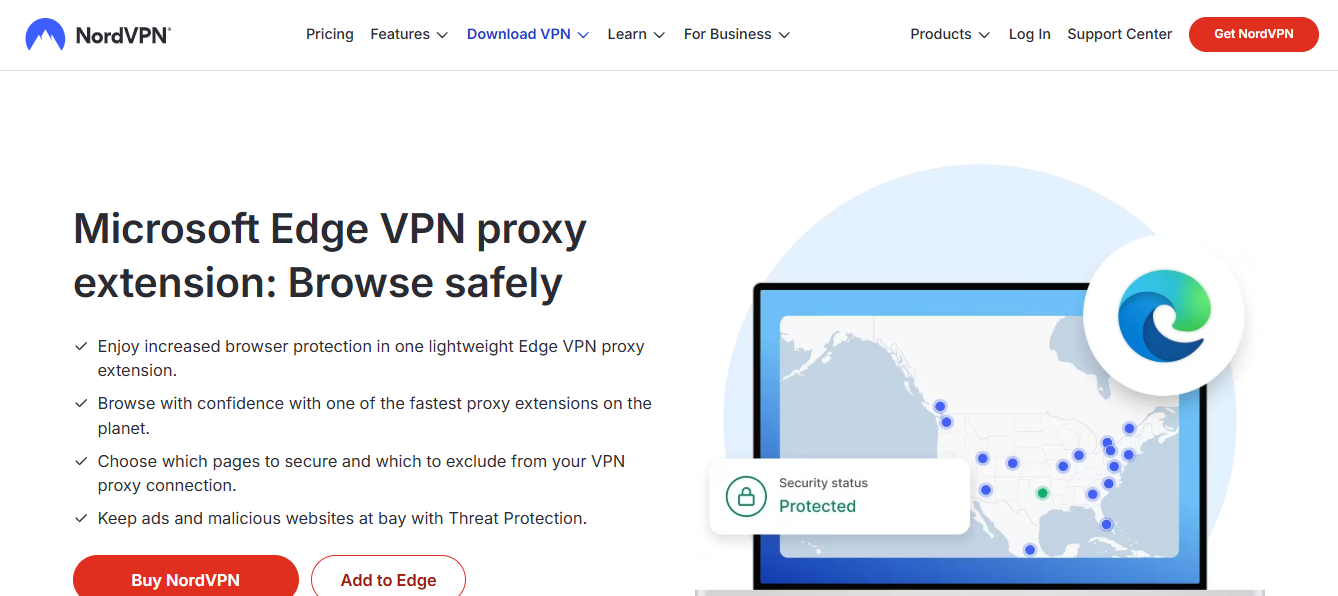
- Pick a reputable provider with a strong privacy posture and a dedicated Edge extension. If you’re exploring, NordVPN’s Edge extension is a popular option among users who want a trusted name with strong security guarantees.
Step 3: Install the extension
- Click Add to Edge, then confirm the installation. Edge will add a small toolbar icon for the VPN extension, and you’ll often be prompted to sign in or create an account.
Step 4: Sign in and configure
- Sign in with your VPN account.
- Review the extension’s permissions. You typically want permission to access websites you visit through Edge and nothing more.
- Enable features you care about: a kill switch, split tunneling, auto-connect on startup, and auto-connect to a preferred server region.
Step 5: Choose a server location
- Pick a server location that suits your needs: local options for speed, or foreign locations to access geo‑restricted content.
- If you’re optimizing for streaming or gaming, try nearby servers first to reduce latency.
Step 6: Test the connection
- Visit a site that reveals your IP, like some “what is my IP” pages, to confirm your IP address now belongs to the VPN server.
- Check for IPv6 leak tests if the extension supports IPv6. if not, disable IPv6 in Edge or the OS to test for any leaks.
Step 7: Optional: enable extra protections
- Kill switch: Enable if you want to prevent leak in case the VPN disconnects.
- Split tunneling: Configure to route only specific sites through the VPN. this can optimize streaming or local network access.
- Ad/malware protection: Some VPN extensions bundle additional privacy features. enable them if you value extra protection.
Step 8: Ongoing maintenance
- Regularly check for extension updates, especially after Edge updates or VPN provider policy changes.
- Periodically retest your IP and DNS to ensure there are no leaks.
Edge-specific tips for better privacy and performance
- Use a privacy-focused default search engine in Edge when possible, to complement your VPN with fewer trackers.
- Disable WebRTC leaks: Some VPNs provide built-in protections, but you can also adjust Edge settings or use extensions that mitigate WebRTC leaks.
- Avoid mixed content warnings: Some insecure websites might leak information. rely on HTTPS‑only sites when possible.
- Combine with a secure antivirus: A layered approach—VPN, browser privacy settings, and reputable antivirus—gives you better overall protection.
- Regularly audit installed extensions: Too many extensions can slow Edge and introduce vulnerabilities. Keep only what you need.
- Consider geo-restriction needs: If you primarily browse within your country, choose nearby servers for the best performance. For accessing content from specific regions, test a few different servers to find the best balance of speed and access.
Performance and reliability best practices
- Test multiple servers: If your speed drops, switch to a different nearby server. Latency can vary widely by server even within the same region.
- Use WireGuard-based servers when available: WireGuard typically offers faster speeds and lower latency than older protocols like OpenVPN.
- Ensure you’re on the latest Edge version: Browser updates often include security and performance improvements that interact with extensions.
- Close background processes: If Edge is the primary app you’re using, closing other bandwidth-intensive apps can help your VPN’s perceived speed.
- Enable auto-connect strategically: Auto-connect on startup can be convenient, but you may want to disable it in trusted networks where you don’t want a VPN to connect automatically.
Security and privacy considerations
- Review the privacy policy: Ensure the provider doesn’t log sensitive data. Look for third‑party audits or independent reviews.
- Avoid free VPN extensions for Edge: Free options can come with data caps, intrusive ads, or questionable data practices. If you try a free option, pick one with strong reviews and transparent policies.
- Data exposure risks: Even with a VPN, you should avoid sending sensitive information over insecure forms or sites. Use HTTPS and keep sensitive data off untrusted networks.
- Device-wide vs browser-wide coverage: If you handle highly sensitive data, consider pairing the Edge extension with a full OS‑level VPN app for comprehensive protection.
- Be mindful of browser updates: Sometimes Edge updates may affect extensions’ behavior. monitor for any connectivity issues after major updates.
Real-world use cases for Edge VPN extensions
- Public Wi-Fi safety: While you’re at a coffee shop or airport, a VPN extension protects your Edge browsing from local snoops.
- Remote work: When you’re accessing work resources from home or on business trips, a VPN extension helps secure your browser traffic.
- Streaming in Edge: Some streaming sites block direct connections. a VPN extension can help you access content while keeping your browser traffic encrypted.
- Privacy-conscious browsing: If you’re concerned about advertisers building profiles from your browser activity, a VPN extension adds a layer of privacy by masking your IP address.
- Travel and access: If you’re in a country with content restrictions, a VPN extension makes it easier to connect to your home country’s resources or content libraries.
Common mistakes to avoid
- Installing too many extensions: Conflicts can occur, and performance may suffer.
- Turning on the VPN globally when you only need Edge coverage: This wastes bandwidth and can slow down other apps on your device.
- Ignoring DNS leaks: Some VPN extensions don’t protect against DNS leaks. verify that DNS requests are resolving through the VPN.
- Not testing after changes: Always re-check IP and location after changing servers or enabling new features.
Privacy-friendly practices beyond Edge
- Use a privacy-respecting search engine in Edge.
- Regularly clear cookies and site data, or enable Edge’s tracking protection.
- Be mindful of personal data when using online forms, even with a VPN enabled.
Frequently asked questions
# What is a VPN extension for Edge?
A VPN extension for Edge is a browser addon that routes your Edge browser traffic through a VPN server, providing IP masking and encryption for the websites you visit within Edge.
# Can I use a VPN extension for Edge on mobile?
Edge extensions are primarily designed for desktop Edge. Some features may be available on Edge mobile via apps, but full extension support may be limited on iOS and Android. Check your platform’s store for Edge-compatible VPN solutions.
# Does a VPN extension slow down my browsing in Edge?
It can, especially if you connect to distant servers or use servers with high load. Typically, a well‑built extension with modern protocols like WireGuard minimizes speed loss, but some slowdown is common compared to zero VPN usage.
# Is NordVPN compatible with Edge?
NordVPN offers an Edge-compatible extension that provides browser-level protection plus access to their server network. Always verify the latest compatibility details in the Edge Add-ons store or NordVPN’s site.
# How do I enable a kill switch in an Edge VPN extension?
Look for a “kill switch” or “shutdown protection” option in the extension settings. Enable it so that if the VPN disconnects unexpectedly, Edge traffic is blocked to prevent leaks.
# Can I use split tunneling with an Edge extension?
Some Edge extensions support split tunneling, allowing you to decide which sites bypass the VPN and which go through it. If you frequently access local resources, this can improve speed.
# Is it safe to use free VPN extensions in Edge?
Free VPNs often come with limitations or privacy trade-offs. If you must use a free option, review its privacy policy, data handling practices, and ensure it’s from a reputable provider with clear terms.
# How can I test if the VPN is working in Edge?
Use an IP check service or a site that shows your apparent location and IP. If it reflects the VPN server instead of your real IP, the extension is working.
# Will a VPN extension affect streaming quality in Edge?
It can help access geo‑restricted content, but streaming quality depends on the server’s speed and bandwidth. If you experience buffering, switch servers or try a nearby location.
# Can I bypass geo-restrictions with an Edge VPN extension?
Yes, many VPN extensions can route your traffic through servers in different countries, which helps bypass some geo‑restrictions. Note that some streaming services actively block known VPN IPs, so you may need to try different servers.
If you’re ready to protect your Edge browsing with a trusted solution, a well‑set‑up Edge VPN extension makes a big difference in daily privacy and online security. Remember to pick a reputable provider, keep the extension updated, and test periodically to ensure you’re getting the protection you expect. And if you’re exploring options, NordVPN’s Edge extension is a strong start—you can grab the special deal I mentioned earlier for extra value.
Urban vpn extraction: a comprehensive guide to researching, data extraction, and VPN comparisons for YouTube content Setup vpn extension microsoft edge: complete guide to install, configure, use, and optimize for privacy and streaming 2026