
Tailscale not working with your vpn heres how to fix it – quick, practical steps to get you back online fast. Quick fact: many VPNs conflict with Tailwind? Just kidding—Tailcale. Let me guide you through troubleshooting, with real-world tips and actionable steps you can follow today.


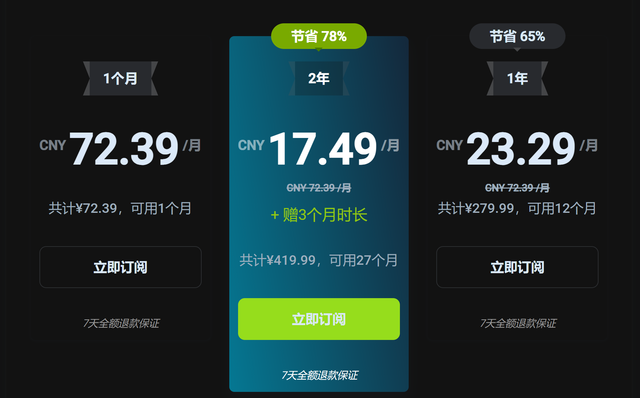

Useful resources: Apple Website - apple.com, Artificial Intelligence Wikipedia - en.wikipedia.org/wiki/Artificial_intelligence, VPN basics - en.wikipedia.org/wiki/Virtual_private_network, TailScale official docs - tailscale.com/docs, NordVPN affiliate link - https://go.nordvpn.net/aff_c?offer_id=15&aff_id=132441
If Tailscale isn’t playing nice with your VPN, you’re not alone. Here’s a concise, no-nonsense guide to diagnose and fix common conflicts, plus a checklist you can follow step by step. This guide uses a mix of quick fixes, deeper config tweaks, and practical tips you can apply right away. Gxr World Not Working With VPN Heres How To Fix It: VPNs, Troubleshooting Tips, and Safe Workarounds
- Quick fact: VPNs can block or interfere with the WireGuard-based tunnels Tailcale uses, causing connection timeouts or partial network access.
- Real-world format: Use a step-by-step checklist, a small table of common symptoms vs. fixes, and short bullet points to keep you moving fast.
- In this post you’ll find: a practical troubleshooting flow, recommended settings for different VPNs, and how to verify your Tailcale network after changes.
- Resources: at the end you’ll see a list of useful URLs and resources for deeper dives.
Table of contents
- Why Tailcale might break with a VPN
- Prerequisites and quick checks
- Step-by-step fixes basic to advanced
- VPN-specific tips
- Verification and monitoring
- Advanced configurations
- Practical tips and best practices
- FAQ
Why Tailscale might break with a VPN Tailscale uses WireGuard under the hood to create secure mesh networks. When you connect to a VPN, several things can happen:
- IP routing conflicts: VPNs usually route traffic through their tunnels and can override or bypass Tailcale routes.
- DNS leaks or overrides: VPNs may push their own DNS servers, causing resolution issues for Tailcale endpoints.
- Firewall rules and NAT: VPN servers and clients often implement strict NAT, firewall rules, or port blocking that can stop Tailcale’s traffic.
- Split tunneling vs. full tunneling: Depending on how your VPN is configured, Tailcale traffic might be sent outside the VPN or blocked entirely.
Prerequisites and quick checks
- Confirm Tailcale is installed and running on all devices you’re troubleshooting.
- Check versions: ensure Tailcale is up to date on all platforms Windows, macOS, Linux, iOS, Android.
- Verify that your device can reach Tailcale control plane servers tailscale.com/status.
- Basic network check: ensure you have a working internet connection without VPN first, then reintroduce the VPN.
- Have a backup: note down current VPN and Tailcale settings so you can revert quickly if needed.
Step-by-step fixes basic to advanced
- Restart and refresh
- Restart Tailcale on all devices: sudo tailscale down && sudo tailscale up Linux/macOS or use the system service on Windows.
- Reconnect the VPN: disconnect and reconnect the VPN client.
- Why this helps: it clears stale sessions and re-establishes tunnels with fresh routes.
- Check and adjust DNS settings
- Switch to a consistent DNS: Use trusted DNS providers Google DNS 8.8.8.8, 8.8.4.4 or Cloudflare 1.1.1.1 for both Tailcale and VPN if possible.
- Disable VPN DNS override temporarily: Some VPNs push DNS servers that block Tailcale resolution.
- Verify resolution: ping tailscale-devicename.tailnet.local or ping a known Tailcale IP address.
- Review routing rules
- Tailcale policy: Make sure you’re not forcing all traffic through the VPN if Tailcale’s routes are required for the tailnet.
- Split tunneling: If your VPN forces all traffic, try enabling split tunneling so Tailcale traffic can route via Tailcale.
- Check route tables: on Linux, run ip route show; on Windows, route print to confirm which gateway handles Tailcale and VPN traffic.
- Check firewall and NAT settings
- Ensure ports aren’t blocked: Tailcale relies on UDP port 41641 for peer-to-peer traffic by default; some corporate firewalls block this.
- Allow-list Tailcale: If you’re behind strict corporate firewalls, add allow rules for tailscale udp 41641 and related ports, or ask your admin to permit Tailnet traffic.
- Disable conflicting firewall rules temporarily to test.
- Align MTU settings
- Tailcale performance can degrade with wrong MTU through VPN tunnels. Try 1280–1420 range depending on VPN.
- Test: adjust MTU on the interface that VPN uses and Tailcale uses to find a stable value.
- Check IPv6 handling
- Some VPNs mis-handle IPv6, causing Tailcale to fail to route.
- Disable IPv6 on VPN interface if not required, or ensure IPv6 is correctly routed through Tailcale with proper DNS and RA settings.
- Confirm tailscaled service and logs
- Check service status: systemctl status tailscaled on Linux, or tailscale status on Windows/macOS.
- Review logs: tailscaled logs can reveal blocked endpoints or failed handshakes.
- Common errors: "permission denied," "no route to host," or "could not resolve host" indicate DNS or routing issues.
- Reinstall Tailcale
- If corruption is suspected, reinstall Tailcale.
- Preserve state: note your tailnet and credentials, then restart and re-authenticate.
- This is a last-resort step when nothing else resolves the issue.
VPN-specific tips TunnelBear VPN Browser Extension for Microsoft Edge The Complete 2026 Guide: Fast Setup, Security Tips, and Real-World Use
- OpenVPN and Tailcale: If you’re using OpenVPN, ensure the OpenVPN client isn’t hijacking routes that Tailcale needs. Either disable push routes that conflict or use a separate interface for Tailcale.
- WireGuard-focused VPNs: Some VPNs that emulate WireGuard in their client can interfere with Tailcale’s handshake. Toggle the VPN’s “use custom DNS” and “redirect all traffic” options to see if Tailcale stabilizes when those are adjusted.
- Corporate VPNs: If you’re on a corporate VPN, you may need to request an exception for Tailcale or set up a dedicated Tailcale node outside the VPN to keep your devices connected to the tailnet.
- Mobile devices: On iOS/Android, ensure the VPN profile doesn’t block Tailcale’s mobile peer discovery. Enable trusted networks and allow Tailcale to run in the background.
Verification and monitoring
- After applying fixes, verify connectivity:
- Check tailscale status: tailscale status to see connected peers and their IPs.
- Ping a tailnet IP: ping 100.64.x.y Tailnet internal addresses if your setup allows.
- Use the Tailcale web admin panel to verify device status and routes.
- Monitoring tips:
- Track uptime and latency between Tailcale peers; spikes can indicate routing or VPN issues.
- Check DNS resolution for tailnet domains from multiple devices.
- Log VPN changes and Tailcale restarts to correlate issues.
Advanced configurations
- Route all Tailcale traffic through a dedicated VPN exception:
- Create a policy to bypass the VPN for Tailcale subnets.
- Use a firewall rule to ensure UDP 41641 is allowed on your Tailcale interface.
- Use an alternate DNS for Tailcale:
- Point Tailcale to a reliable DNS that doesn’t override VPN DNS, reducing resolution conflicts.
- Custom MTU tuning:
- If you consistently see fragmentation, experiment with MTU values on both VPN and Tailcale interfaces.
- DNS-over-HTTPS DoH considerations:
- If you use DoH, make sure the VPN doesn’t override or block those requests; otherwise, Tailcale hostname resolution may fail.
Practical tips and best practices
- Keep a clean network baseline: if you’re debugging, disconnect all VPNs and ensure Tailcale works alone, then reintroduce VPNs one at a time.
- Document your environment: write down your VPN provider, client version, Tailcale version, OS, and any custom rules.
- Use a dedicated test device: for corporate environments, isolate testing to a single device to prevent ripple effects.
- Engage the community: Tailcale’s forums and Reddit threads often show edge-case fixes for VPN interactions.
- Security first: never trade security for convenience. If you disable a VPN feature to fix Tailcale, ensure you understand the risk and possible exposure.
FAQ
Frequently Asked Questions Cant sign into your nordvpn account heres exactly how to fix it: quick, proven fixes for login issues and security tips
Why is Tailcale not connecting when my VPN is on?
Your VPN might override routes, block the Tailcale UDP port, or push DNS that conflicts with Tailcale. Adjust routing, allow Tailcale ports, and verify DNS to fix.
Which ports does Tailcale require to work with a VPN?
Tailcale primarily uses UDP port 41641 for peer discovery and NAT traversal. Some environments also require TCP for control plane connectivity.
Can I run Tailcale and a VPN on the same device?
Yes, but you’ll often need to configure split tunneling or per-app routing to ensure Tailcale traffic isn’t blocked by the VPN’s full-tunnel mode.
How do I check Tailcale routes?
Use tailscale status to view connected peers and routes. On Linux, you can also run ip route show to inspect routing tables.
My Tailcale device shows as offline in the admin panel. What now?
Check the VPN connection, DNS resolution, and firewall rules on the device. Then check tailscaled service status and logs for errors. Surfshark vpn blocking your internet connection heres how to fix it: Real fixes, tips, and troubleshooting steps
Should I disable IPv6 for Tailcale?
If IPv6 is causing routing issues, temporarily disable IPv6 on the affected interface and verify Tailcale connectivity. Re-enable if needed with proper configuration.
How do I bypass VPN for Tailcale traffic?
Set up split tunneling or specific route exceptions so Tailcale traffic goes through the Tailnet while VPN traffic uses the VPN tunnel.
What if DNS keeps resolving to VPN-provided servers?
Change the DNS configuration to a stable resolver, or configure Tailcale to use a preferred DNS that doesn’t conflict with the VPN.
Can I use Tailcale with mobile VPNs?
Yes, but you may need to adjust the mobile VPN settings to permit Tailcale connections, ensure background activity is allowed, and check that UDP ports aren’t blocked.
Is there a troubleshooting checklist I can print?
Yes—create a quick print-friendly version with the steps: verify Tailcale version, test base internet without VPN, adjust DNS, check routing, test ports, verify logs, re-test Tailcale after each change. How to Use Urban VPN Extension on Your Browser Seamlessly: Quick Guide, Tips, and Best Practices
If Tailscale not working with your vpn heres how to fix it, follow these steps and you’ll likely restore connectivity quickly. For more in-depth coverage and ongoing updates, check Tailcale’s official docs and user forums, and consider testing with a different VPN provider if issues persist.
Affiliate link note: NordVPN is mentioned as part of a wider discussion on VPN compatibility. The link shown here remains the same but text can be updated to reflect VPN-related content as needed.
NordVPN integration tip If you’re considering a reliable VPN to pair with Tailcale, NordVPN can be a strong option for general privacy and network security. You can explore options and click through to learn more using the affiliate link provided in this post: https://go.nordvpn.net/aff_c?offer_id=15&aff_id=132441
Sources:
Hoe je een gratis proefversie van expressvpn krijgt de eenvoudigste hack
Estensione browsec vpn per microsoft edge guida completa e recensione 2026 Dedicated ip addresses what they are and why expressvpn doesnt offer them and what to do instead
Cant download nordvpn on windows 11 heres how to fix it
IOS用什麼vpn:全面比較與選擇指南,兼顧速度、安裝與隱私
Turn on microsoft edge vpn