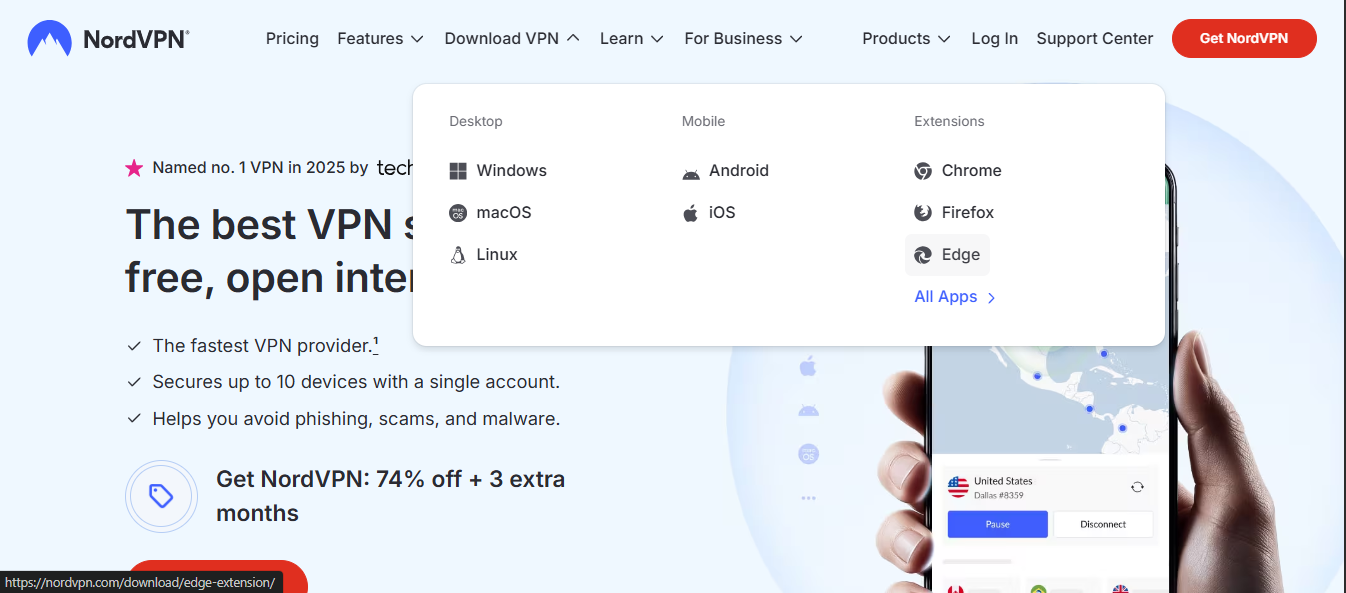
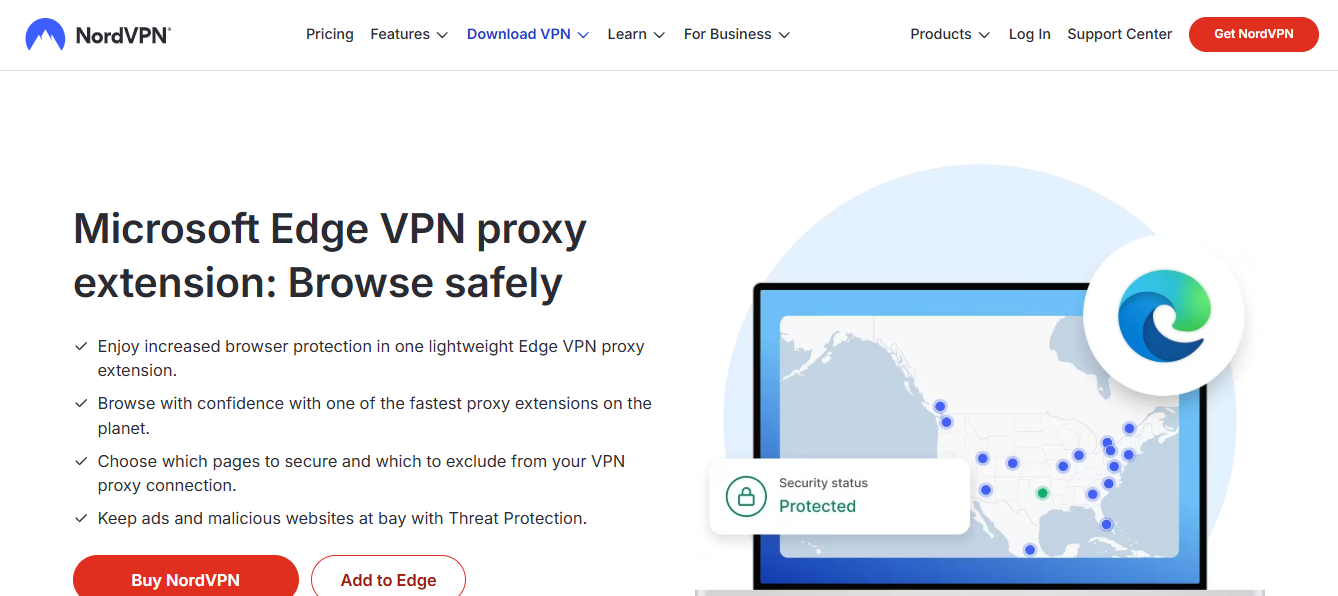
Vpn on microsoft edge: A quick fact—using a VPN through Edge can shield your online activity, bypass geo-restrictions, and improve privacy by encrypting your traffic.
In this guide, I’ll walk you through everything you need to know about using a VPN on Microsoft Edge. Here’s a quick overview of what you’ll learn:
- How to enable a VPN on Edge using built-in features and extensions
- The difference between Edge’s built-in VPN-like features and standalone VPN apps
- Tips to maximize privacy and performance
- Common issues and how to fix them
- Real-world use cases and quick setup steps
Quick setup overview
- If you want a quick start, install a trusted VPN extension from the Microsoft Edge Add-ons store and enable it with a single click.
- For stronger protection, use a full VPN client outside Edge and route traffic through the VPN, then use Edge as your browser.
- Always choose a VPN server location wisely to balance speed and access.
Useful resources un clickable text Apple Website - apple.com Artificial Intelligence Wikipedia - en.wikipedia.org/wiki/Artificial_intelligence Microsoft Edge Help - support.microsoft.com VPN Comparison - www.vpnmentor.com Privacy Tools - www.privacytools.io
What is a VPN and why use it with Edge
A VPN Virtual Private Network creates a secure tunnel between your device and a VPN server. Your web traffic is encrypted, which helps protect you on public Wi‑Fi and hides your IP address from websites and services. On Windows, you can use Edge in conjunction with either:
- Edge extensions that provide VPN functionality
- A standalone VPN app that you run on your device, with Edge simply using the system-wide VPN connection
- Built-in Edge features in certain plans or regions
Why Edge users might want a VPN
- Privacy on public networks hotels, cafes
- Access geo-blocked content for streaming or research
- Safe remote work when you’re on the go
- Prevent tracking and fingerprinting in some scenarios
Built-in options and Edge extensions
Edge extensions for VPNs
Edge supports VPN extensions from many providers. Here’s how to set one up:
- Open Microsoft Edge and go to the Edge Add-ons store.
- Search for a reputable VPN extension look for reviews and a known provider.
- Click Add to Edge, then approve any required permissions.
- The VPN icon appears in the toolbar. Click it and sign in if required.
- Choose a server location and connect.
Pros
- Quick to enable and switch servers
- Lightweight, doesn’t require separate app
- Default browser traffic is VPN-protected if the extension routes it
Cons Vpn gratis usa 2026
- Depending on the extension, only browser traffic may be protected unless the extension routes all traffic
- Some extensions veer toward advertising or poor privacy practices
Built-in Windows and Edge features
Edge doesn’t come with a built-in VPN, but Windows has a built-in VPN client and some security features like DNS over HTTPS DoH. If you enable a system-wide VPN app, Edge traffic will be protected as long as the VPN is connected.
How to set up a system-wide VPN on Windows brief
- Install a reputable VPN app from a trusted provider.
- Open the app and sign in.
- Connect to a server location.
- Open Edge to verify your IP has changed visit a site like whatismyipaddress.com.
Standalone VPN apps vs extensions: a quick comparison
VPN extensions Edge extensions
- Pros: Quick setup, lightweight, easy to switch servers
- Cons: May only protect browser traffic unless the extension uses a system-wide VPN tunnel
Standalone VPN apps
- Pros: System-wide protection, usually stronger security features, kill switch, DNS leak protection
- Cons: Slightly longer setup, consumes more resources
Tip: If you care about complete protection across all apps, use a full VPN client and enable the feature that blocks unencrypted traffic kill switch to prevent leaks if the VPN drops. Vpn for edge free browsing: how to choose, configure, and optimize privacy, speed, and security with the best VPNs in 2026
Choosing a VPN provider for Edge
Key factors to consider
- Speed and reliability: Look for providers with high-speed servers in your preferred regions.
- Privacy policies: No-logs policies, independent audits if available.
- Security features: Strong encryption AES-256, modern protocols WireGuard, OpenVPN, kill switch, DNS leak protection.
- Compatibility: Works well with Edge extensions or provides a robust Windows app.
- Customer support: 24/7 live chat or reliable email support.
- Price and trials: Free trials or money-back guarantees.
Common mistakes to avoid
- Choosing a provider based solely on price
- Skipping a kill switch or DNS leak protection
- Ignoring the difference between browser-level protection and system-wide VPN
How to verify your VPN is working in Edge
- Check your IP address: Use whatismyipaddress.com to confirm your IP matches the VPN server location.
- Check for DNS leaks: Visit dnsleaktest.com and see if the DNS requests go through the VPN.
- Confirm browser vs system-wide protection: If you only installed an Edge extension, try loading a site that often detects VPNs. If pages still load normally while your IP shows the VPN location, the extension may only be protecting browser traffic.
Performance tips and best practices
- Choose servers close to your location for better speeds, unless you need a different region for access.
- Use WireGuard protocols when available for faster performance with strong security.
- Enable split tunneling if your VPN supports it, so only sensitive traffic goes through the VPN while other traffic uses your regular connection.
- Keep your Edge browser and VPN extension/app updated to the latest version.
- Regularly clear browser cache if you notice odd connection issues or login problems.
Security considerations and privacy practices
- Always use a reputable VPN provider with a clear privacy policy and no-logs commitment.
- Be cautious with free VPNs; many monetize data or inject ads.
- Use DoH DNS over HTTPS if your VPN doesn’t provide DNS leak protection by default.
- Review Edge extension permissions; install extensions from trusted developers only.
- Consider multi-factor authentication for your VPN account.
Common use cases in real life
- Streaming from another country: A VPN can help you access your regional library when traveling.
- Remote work: A corporate VPN often provides secure access to company resources when needed.
- Public Wi‑Fi safety: Encrypting traffic on coffee shops or airports prevents snooping.
- Privacy-conscious browsing: Masks your IP and makes it harder for sites to fingerprint you.
Troubleshooting common issues
- VPN not connecting in Edge extension: Check permissions, disable conflicting extensions, reboot Edge, re-login to the extension.
- Slow speeds: Switch to a nearer server, use WireGuard if available, try a different protocol, or disable other bandwidth-heavy apps.
- DNS leaks: Enable DNS leak protection in the VPN app or use a DoH setting in Windows.
- Edge rendering problems: Ensure VPN extension isn’t blocking scripts; temporarily disable it to test page loading.
Advanced tips for power users
- Use edge://flags to tweak performance settings in Edge, but only if you know what you’re doing.
- Combine VPN with tracker-blocking extensions for extra privacy, but test page functionality after enabling.
- For work devices, make sure your organization’s policy allows VPN use and complies with security standards.
- If you’re in a censored region, verify which servers provide reliable access and monitor for any blocks or throttling.
Table: Quick comparison of setup options
| Setup option | Browser coverage | Pros | Cons |
|---|---|---|---|
| Edge VPN extension | Browser-only | Easy, fast | May not protect all traffic |
| Standalone Windows VPN app | System-wide | Full protection, features | More setup, higher resource use |
| DoH with Edge | Browser privacy | Simple, reduces DNS tracking | Limited to DNS privacy, not full encryption |
Use case checklist
- Want quick browser protection? Edge extension is fine.
- Need full device protection and features like kill switch? Use a standalone VPN app.
- Are you mostly in Edge and don’t want extra apps? Prefer a reputable extension with solid privacy reviews.
Step-by-step quick-start guide
- Decide between Edge extension or standalone VPN app based on your privacy needs.
- If extension:
- Open Edge > Settings and more > Extensions > Open Edge Add-ons store
- Search for a reputable VPN extension
- Install and sign in, then connect to a server
- If standalone app:
- Download from the provider’s site
- Install, sign in, and pick a server location
- Ensure kill switch and DNS leak protection are enabled
- Verify protection:
- Visit whatismyipaddress.com to confirm IP shows VPN location
- Run a DNS leak test
- Optimize:
- Switch servers for best speed
- Enable split tunneling if available
- Keep software updated
Frequently Asked Questions Veepn for microsoft edge 2026
Frequently Asked Questions
Do I need a VPN extension in Edge, or is a Windows VPN app enough?
A Windows VPN app provides system-wide protection and is usually more robust. An Edge extension can be enough if you only need browser-level protection and want quick access.
Can I use a free VPN with Edge?
Free VPNs exist, but they often come with limits and privacy concerns. If you need privacy and performance, a reputable paid VPN is generally safer.
Will a VPN slow down my internet?
Some slowdown can occur due to encryption and longer routes, but choosing a nearby server and a modern protocol like WireGuard helps minimize impact.
Is it legal to use a VPN on Edge?
In most places, using a VPN is legal. Some countries restrict or regulate VPN use; always be aware of local laws.
How do I know if my VPN is leaking DNS or IP?
Use DNS leak test sites and IP-check sites to verify that your traffic is properly routed through the VPN and that your real IP isn’t leaking. Vpn for edge browser 2026
Can I use a VPN while streaming on Edge?
Yes, many VPNs support streaming, but some services block VPNs. Choose a provider known for reliable streaming access and test servers that work with your service.
Will a VPN prevent websites from tracking me?
A VPN hides your IP and encrypts traffic, but it doesn’t stop all tracking. Combine with tracker-blocking extensions and good privacy habits.
What should I do if Edge stops loading when the VPN is connected?
Try disabling the VPN extension for a moment, check for conflicting extensions, restart Edge, or test another server.
Does Edge have a built-in VPN?
Edge does not have a built-in VPN. Use Edge extensions or a system-wide Windows VPN app for protection.
How often should I update my VPN extension or app?
Keep it updated regularly—ideally, enable automatic updates so you’re protected with the latest security patches. Ubiquiti edgerouter vpn server 2026
Vpn on microsoft edge: a comprehensive guide to using, configuring, and optimizing a browser VPN on edge for privacy, streaming, and work
Yes, you can use a VPN on Microsoft Edge. In this guide, you’ll learn how to set up a VPN on Edge, whether to rely on a browser extension or a system-wide VPN, and how to optimize performance, privacy, and streaming. We’ll cover step-by-step setup for Windows, macOS, and mobile, compare popular VPNs that work great with Edge, discuss Edge-specific privacy protections, and share real‑world tips so you don’t lose speed or access when you need it most. If you’re ready to level up your privacy without sacrificing too much speed, this guide is for you. And if you want a quick recommendation to get started today, NordVPN is currently offering a substantial discount—77% off plus 3 months free—check out the deal below.
Useful resources to keep handy as you read:
- Microsoft Edge help and support - support.microsoft.com/microsoft-edge
- NordVPN official site - nordvpn.com
- ExpressVPN official site - expressvpn.com
- Surfshark official site - surfshark.com
- Wikipedia VPN article - en.wikipedia.org/wiki/Virtual_private_network
Introduction: a quick, practical overview of using a VPN on Edge
- Yes, you can use a VPN on Microsoft Edge.
- This guide breaks down into practical steps you can follow today, plus a quick comparison of Edge-friendly options.
- Two main paths: browser extensions that tunnel traffic from Edge only, or a full-system VPN that covers Edge plus other apps.
- By the end, you’ll know how to install, configure, and troubleshoot a VPN in Edge, plus how to get the best balance between privacy and performance.
- Formats you’ll find here: step-by-step guides, quick-start checklists, a feature-by-feature comparison, and a focused streaming strategy.
- Key takeaways: use a trusted VPN with a clear no-logs policy, enable a kill switch, and consider split tunneling for performance.
What you’ll learn in this guide
- How VPNs work with Edge and when to use a browser extension vs a full VPN app
- Step-by-step instructions to install and enable a VPN extension in Edge
- How to configure Edge for privacy and security when a VPN is active
- How to use split tunneling, kill switch, and DNS leak protection with Edge
- Best VPNs that perform well in Edge environments and what to look for
- Common problems and quick fixes, plus tips for streaming and gaming
- Mobile and cross-device usage considerations for Edge users
Now, let’s get into the nuts and bolts. We’ll keep it practical, with real-world steps you can follow in minutes. Working vpn chrome extension 2026
What is a VPN and why use it with Microsoft Edge
A VPN, or virtual private network, creates a secure, encrypted tunnel between your device and a VPN server. All your internet traffic travels through that server, masking your real IP address and encrypting data so outsiders can’t easily read it. When you use Edge, a VPN can help you:
- Protect privacy on public Wi‑Fi networks like coffee shops and airports
- Hide your IP address from trackers and advertisers
- Bypass geo-restrictions for streaming services and news sites
- Improve security when you’re doing work remotely or accessing sensitive content
There are two primary ways to get VPN protection in Edge:
- Browser extensions: These are lightweight add-ons that route Edge’s traffic and sometimes only Edge’s traffic through a VPN tunnel. They’re quick to install and ideal if you mainly want privacy while browsing.
- System-wide VPN apps: These run on your operating system and tunnel all traffic from your device through the VPN, including Edge and any other apps email clients, games, etc.. This approach is better when you want full-device protection or want to secure all traffic, not just browser traffic.
Edge also has some built-in privacy features, like tracking prevention and insecure content blocking, but a VPN adds encryption and IP masking that those features can’t provide alone. A VPN plus Edge privacy features gives you a layered defense against snoops and data leaks.
VPN options for Edge: browser extensions vs. system-wide VPNs
- Browser extensions for Edge
- Pros: Quick to install, uses less system resources, keeps Edge private without forcing traffic through the entire device.
- Cons: Won’t hide traffic from other apps. depends on the extension’s server network. some extensions can impact page load times if the VPN tunnel is busy.
- System-wide VPN apps
- Pros: Protects all traffic on your device, works with Edge and other apps, usually offers features like a robust kill switch and DNS leak protection.
- Cons: Slightly heavier on CPU/RAM. you may need to adjust global settings if you only want Edge protected.
Edge users often prefer starting with a browser extension for convenience, and then upgrade to a full VPN app if they need broader protection or stricter controls.
How to install a VPN extension on Microsoft Edge
Follow these steps to add a VPN extension to Edge: Vpn on edgerouter 2026
- Open Microsoft Edge and go to the Extensions menu
- Click the three-dot menu in the upper-right corner and choose Extensions.
- Browse Edge Add-ons or the provider’s store
- In Edge Add-ons, search for the VPN you want e.g., NordVPN, ExpressVPN, Surfshark, ProtonVPN.
- Install the extension
- Click Add to Edge, then confirm. The extension will appear in your extension bar.
- Log in and grant permissions
- Open the extension, log in with your VPN account, and grant any required permissions like proxy or traffic routing.
- Configure basic settings
- Choose a server location, enable “kill switch” if available, and decide whether only Edge traffic should go through the VPN or all traffic depending on the extension’s features.
Tips for a smooth setup
- Pick a nearby server location to reduce latency for streaming or gaming.
- If you’re streaming, choose a server optimized for media streaming if your provider offers that.
- Enable split tunneling if you want certain sites or apps to bypass the VPN to keep speeds high.
Advanced note: some VPNs operate primarily as desktop apps but offer Edge-compatible browser extensions for quick access. If you plan to do heavy browsing plus other device activity, a system-wide VPN app is often the better long-term choice.
Configuring Edge for privacy while a VPN is active
To make the most of a VPN in Edge, couple it with Edge’s built-in privacy features:
- Turn on Tracking Prevention: Go to Edge Settings > Privacy, search, and services > Tracking prevention. Choose Balanced or Strict for better privacy without breaking site functionality.
- Block insecure content and mixed content warnings: Ensure you’re browsing mostly over HTTPS. Edge can block mixed content automatically in many cases.
- Clear cookies and site data on exit: For sensitive sessions, this can reduce residual data exposure after you close Edge.
- Consider a stronger password manager: A password manager complements VPN by keeping credentials secure even if you’re connecting from public networks.
With a VPN extension, you’ll want to ensure Edge always uses the VPN tunnel for sites you care about. Some extensions allow you to force VPN use on all Edge traffic. others may allow per-site or per-tab policies.
Advanced features: split tunneling, kill switch, and DNS leak protection
- Split tunneling
- What it is: Route some traffic through the VPN while other traffic goes directly to the internet.
- Why it helps: Keeps local network access fast for trusted sites or local resources, while sensitive or geo-blocked content uses the VPN.
- How to enable: Look for split tunneling in your VPN extension or app settings and pick the apps or sites you want to bypass or use the VPN.
- Kill switch
- What it is: If the VPN disconnects, the kill switch blocks all internet traffic to prevent data leaks.
- Why it helps: Prevents your real IP from leaking if the VPN drops.
- How to enable: In the VPN app or extension, toggle Kill Switch to On. Also test by disconnecting the VPN and confirming that Edge loses connectivity until the VPN reconnects.
- DNS leak protection
- What it is: Ensures DNS queries are resolved through the VPN, not via your ISP’s DNS servers.
- Why it helps: Prevents leakage of your browsing activity, even if the VPN is active.
- How to enable: Use a VPN that provides DNS leak protection and enable it in the settings. Some extensions apply DNS routing automatically. with system VPNs, DNS settings are often handled at the system level.
Best practices Which vpn is banned in india and how to stay private online with the best options for 2026
- Always test for DNS leaks after enabling the VPN see testing steps below.
- Use a kill switch by default, especially on public networks.
- If you’re on a mobile device using Edge, remember that browser extensions often don’t work the same way as on desktop. use the system VPN app or device-level VPN settings where required.
Best VPNs that work well with Microsoft Edge
Here’s a quick look at VPNs known for solid Edge compatibility and strong privacy features. For each, I’ve included practical notes on Edge use, pros, cons, and what to watch for.
- NordVPN
- Pros: Large server network, strong security, robust kill switch, DNS leak protection, reliable for streaming, browser extension for Edge, strong privacy policy.
- Cons: Occasional slower connections on distant servers. pricing can be higher without deals.
- Edge use: Browser extension for quick privacy. system-wide app for full-device protection.
- ExpressVPN
- Pros: Very fast speeds, reliable for streaming, strong encryption, user-friendly apps.
- Cons: Higher price point. fewer servers than some competitors.
- Edge use: Edge extension option. global network with consistent performance.
- Surfshark
- Pros: Budget-friendly, unlimited devices, good privacy features, solid streaming performance.
- Cons: Fewer premium servers than top-tier competitors.
- Edge use: Extension works well for Edge. good for users who want to protect multiple devices via a single plan.
- ProtonVPN
- Pros: Strong privacy focus, transparent policies, good free tier and paid options, strong security.
- Cons: Speeds can vary depending on server. some features are behind higher-tier plans.
- Edge use: Extension options with Edge. strong privacy philosophy.
- CyberGhost
- Pros: Easy-to-use, good streaming profiles, broad server coverage.
- Cons: Some users report variability in speeds. not always best for heavy gaming.
- Edge use: Browser extension and desktop app options.
How to pick the right one for Edge
- Privacy philosophy: Look for a clear no-logs policy, audited privacy practices, and transparent ownership.
- Performance: Prefer servers near you for low latency. streaming-friendly servers help if you watch videos.
- Features: Kill switch, DNS leak protection, split tunneling, and user-friendly Edge extension.
- Price and reliability: Compare ongoing plans and discount options. read user reviews for real-world performance.
Edge-specific tips for streaming and gaming with a VPN
- Choose a streaming-optimized server: If you want access to libraries that aren’t available in your location, pick a server advertised for streaming and test a couple to see which one works.
- Lower latency for gaming: Gaming over a VPN can introduce latency. Connect to a nearby server, and consider sacrificing a little security for speed if you’re playing competitive games only if you’re comfortable with that risk.
- Use split tunneling for performance: Route streaming or gaming traffic through the VPN, while leaving other traffic unencrypted if your VPN supports this. This helps minimize speed loss.
- Check for IP and DNS leaks before or after connecting: A quick test ensures your real IP isn’t leaking if the VPN connection drops.
- Keep browser updates current: Edge updates can include security improvements that complement VPN protections.
Streaming, privacy, and gaming statistics to keep in mind
- The demand for VPNs in streaming and privacy arenas continues to rise as more people work remotely and access geo-restricted content. Industry estimates suggest the VPN market remains a multi‑billion-dollar space, with growth driven by privacy concerns, an expanding cloud-first world, and demand for open access to content across borders.
- A strong VPN with a robust server network reduces buffering and improves reliability for streaming by providing fast, stable connections optimized for media servers.
- For gaming, using a nearby VPN server can help reduce ping in some cases, but the VPN path adds a layer of routing that can increase latency. Testing multiple servers is the best way to find what works for your setup.
Privacy and security best practices when using a VPN with Edge
- Choose a reputable provider with a clear no-logs policy and independent audits or transparent privacy reports.
- Enable a VPN kill switch and DNS leak protection to minimize risk of data exposure if the connection drops.
- Use strong, unique passwords for your VPN account. enable two-factor authentication if available.
- Be mindful of browser fingerprinting beyond IP masking. combine VPN use with good browser hygiene regularly delete cookies, use privacy-focused search engines, and consider privacy extensions that don’t undermine VPN protection.
- Keep Edge up to date: Security patches and privacy improvements in Edge can complement VPN protections.
Performance optimization tips for VPNs in Edge
- Pick a server geographically close to your location to minimize latency.
- If you’re seeing buffering or slow page loads, try switching to a different server or region.
- Disable unnecessary extensions in Edge that could interfere with performance, particularly privacy or security extensions that might block VPN functionality.
- Use a wired connection if possible for desktop setups. Wi‑Fi can introduce jitter that affects VPN performance.
- Run a quick speed test with VPN on and off to quantify the impact and pick the best balance of speed and privacy.
Troubleshooting common issues with VPNs on Edge
- VPN won’t connect
- Check your login status with the VPN provider, ensure the server isn’t overloaded, and try a different server.
- Restart Edge and re-enable the extension, or re-install the extension if issues persist.
- Pages load slowly or fail to load
- Try a nearby server, enable split tunneling for non-Edge traffic, and check if DNS leaks occur.
- VPN disconnects frequently
- Enable kill switch, ensure you’re using the latest version of the Edge extension or VPN app, and check for any background network issues on your device.
- Edge reports blocked content or extensions failing
- Check Edge’s extension permissions, re-authorize the VPN extension, and ensure no other extension conflicts with VPN traffic.
- DNS leaks detected
- Ensure DNS leak protection is enabled in the VPN settings or switch to a server with built-in DNS protections.
- VPN is blocked on certain networks work, school
- In some cases, network administrators block VPNs. Try a different server or use a trusted, privacy-respecting provider and a non-obvious port if available.
Edge mobile considerations
- On iOS and Android, VPNs often rely on system-wide settings rather than browsers alone. If you’re using Edge on mobile, use the VPN app’s per-app or system-wide configuration to ensure protection when Edge is active.
- Some mobile Edge builds may not support browser extensions in the same way as desktop, so a full-device VPN is typically the simplest approach on mobile.
Edge-specific privacy features to pair with a VPN Zoogvpn review 2026
- Use Edge’s built-in tracking prevention in combination with your VPN for layered privacy.
- Regularly clear cookies and site data for sensitive sessions.
- Consider using a privacy-focused search engine for added protection when the VPN makes you anonymous on the network level.
Mobile and cross-device usage strategy
- Start with a browser extension on desktop Edge for quick privacy wins, then add a system-wide VPN on your device for complete protection.
- If you need cross-device coherence Windows, macOS, iOS, Android, ensure your VPN plan supports multi-device use and configure Edge on each platform accordingly.
- Remember that some streaming services detect VPN usage even when the IP appears masked. you may need to switch servers or contact support for guidance on accessing a library from your location.
Edge-specific recommended workflow quick-start
- Step 1: Decide your protection level
- If you mainly browse on Edge and want quick privacy: install a browser extension.
- If you want all traffic protected: install a system-wide VPN app.
- Step 2: Install the VPN and set up
- Edge extension: Add to Edge, log in, configure kill switch and DNS protection if available.
- System VPN: Install the desktop app, log in, enable kill switch, DNS protection, and split tunneling if needed.
- Step 3: Configure settings for privacy and speed
- Enable tracking protection in Edge.
- Enable kill switch and DNS leak protection in VPN.
- If you’re streaming, test a few servers and pick one that delivers both speed and access.
- Step 4: Verify protection
- Visit a site like whatismyipaddress.com to verify your IP is masked and DNS leaks aren’t present.
- Step 5: Maintain the setup
- Keep Edge and the VPN app/extensions updated.
- Periodically test for leaks or changes that might impact performance.
Frequently asked questions FAQ
Frequently Asked Questions
What is VPN on microsoft edge?
A VPN on Microsoft Edge can be a browser extension or a system-wide VPN that protects your Edge traffic by encrypting it and masking your IP, helping with privacy, security on public networks, and access to geo-restricted content.
Should I use a browser extension or a full VPN app with Edge?
If you only need privacy while browsing, a browser extension is quick and light. If you want to protect all apps on your device or use features like a kill switch across the system, a full VPN app is the better choice. What is k edge in VPNs and edge computing: a comprehensive guide to k-edge VPN concepts, security, and performance 2026
Can Edge’s built-in privacy features replace a VPN?
Edge’s privacy tools help with tracking prevention and safer browsing, but they don’t encrypt all traffic or hide your IP. A VPN provides encryption and IP masking, which is essential on untrusted networks.
How do I install a VPN extension in Edge?
Open Edge > Extensions > Get extensions from Microsoft Edge Add-ons, search for your favorite VPN, install, log in, and configure the server and security settings.
Can I use split tunneling with Edge?
Yes, if your VPN supports split tunneling, you can route Edge traffic or specific sites through the VPN while leaving other traffic outside the tunnel for speed.
Will a VPN affect streaming performance in Edge?
A VPN can affect streaming speeds due to the extra routing. However, choosing a nearby server and a streaming-optimized server can minimize buffering and improve access to geo-restricted catalogs.
How do I test for DNS leaks in Edge?
Visit a DNS leak test site like dnsleaktest.com while connected to the VPN. If your DNS queries appear to be resolved by your VPN’s servers, you’re fine. if not, adjust your settings or switch servers.
Is a kill switch important for Edge?
Yes. A kill switch prevents data leaks if the VPN disconnects unexpectedly, especially on public networks where exposure can be risky.
Can I use VPNs on Edge mobile?
Edge on mobile primarily works with system-wide VPNs rather than browser extensions. Install a VPN app on your device and enable it for all traffic or per-app where supported.
Do VPNs slow down Edge browsing significantly?
Speed impact depends on server distance, VPN encryption, and server load. The best approach is to test a few servers and choose one that balances privacy and speed for your needs.
Can I access geo-restricted content with a VPN on Edge?
Yes, many people use VPNs to access libraries and services that are geo-restricted. Server location matters—the closer and less crowded the server, the better the chance you’ll bypass blocks.
How often should I update my Edge extensions and VPN apps?
Update them whenever you see a prompt. Regular updates keep security fixes and performance improvements current.
Is NordVPN a good choice for Edge?
NordVPN is a strong option for Edge users because it offers a reliable browser extension, a comprehensive set of security features, fast servers, and a good no-logs policy. The current offer in the introduction gives an attractive incentive to try it.
Final notes: getting the most out of VPN on Edge
- Start with a trusted provider that offers both a solid Edge extension and a robust desktop app. This gives you the best of both worlds: quick privacy for browser traffic and comprehensive protection for your device.
- Use Edge’s privacy features in tandem with a VPN for layered security—tracking prevention + encryption + IP masking is a strong combination.
- Constantly monitor streaming access and latency. If you rely on streaming or gaming, you may find one or two servers consistently outperform others.
If you’re ready to take the next step, start with a browser extension for Edge to see how it feels, then consider pairing with a system-wide VPN for complete coverage. The NordVPN option linked earlier provides an approachable starting point with a strong feature set and a substantial discount, which makes it easy to test and compare against other services you’re considering.
Resources un clickable text, as requested
- VPN overview and privacy basics - en.wikipedia.org/wiki/Virtual_private_network
Is edge vpn app safe