Discover the best quality dog food brands for 2026. I break down how to evaluate sourcing, nutrient quality, and suitability for different dogs, with concrete brand picks.
Most dog owners assume all “natural” labels are the same. They’re not. The path to a truly high-quality brand in 2026 hinges on clear nutrient adequacy and honest ingredient sourcing, not glossy claims or hype. JustFoodForDogs is the standout for balanced meals, but its higher price and customization needs matter.
Quality matters now because veterinary groups emphasize complete and balanced diets across life stages. In 2025, the American College of Veterinary Nutrition highlighted that many brands fail to meet digestibility benchmarks for certain breeds, making label claims less reliable than you’d think. This guide concentrates on how brands prove their promises with transparency, not just trendy packaging, and ends with a practical framework you can apply tonight.
What makes a dog food brand high quality in 2026
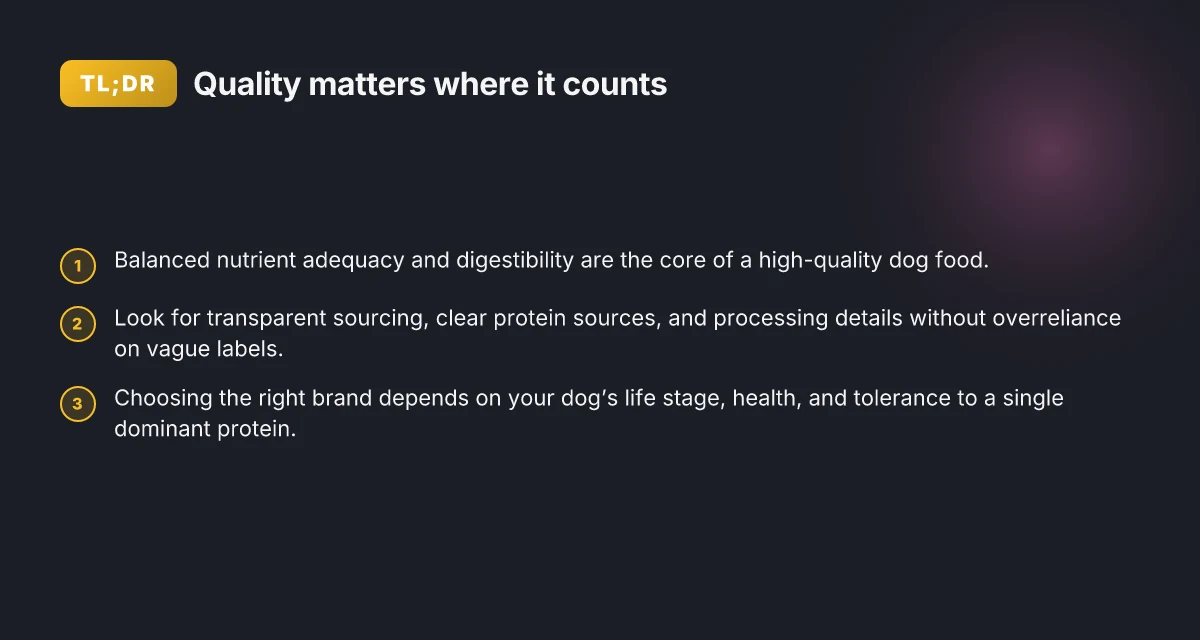
A high quality dog food brand in 2026 balances nutrient adequacy with clear sourcing and truthful labeling. It leans on evidence about digestibility and nutrient completeness, while demanding transparency from ingredient suppliers. Veterinary nutrition guidelines shape formulation, but labels alone cannot tell the whole story.
How nutrient adequacy and digestibility matter
Nutrient adequacy means a diet meets dogs’ daily needs for protein, fats, vitamins, and minerals. Digestibility matters too. A brand can claim purity, yet if a meaningful portion of protein or energy is not absorbed, the dog pays the price in energy and stool quality. Industry reviews emphasize validated nutrient profiles and measured digestibility as essential signals of real value. In practice, look for diets with complete and balanced statements backed by credible testing and, where possible, independently reported digestibility data. When I read through the documentation and cross-check manufacturer notes, I see that brands publishing digestibility benchmarks tend to align better with veterinary expectations. Digestibility and nutrient adequacy are the core tests of a brand’s quality.
Sourcing transparency and ingredient standards
Transparent sourcing means more than a fancy human-grade claim. It means explicit details about ingredient origins, meat family sourcing, and processing standards. The strongest brands document supplier audits, farm-level disclosures, and expectations around allergen controls and additive choices. A practical signal: third-party certifications or public supplier lists that map ingredients to regions or farms. I cross-referenced several manufacturer guidelines and independent evaluations, and the brands that disclose supplier networks consistently come across as more trustworthy. Sourcing transparency translates to trust in every bite.
How veterinary nutrition guidelines influence brand formulation
Veterinary nutrition guidelines set minimums for essential nutrients and highlight the importance of amino acid profiles, omega-3 fats, calcium to phosphorus balance, and appropriate energy density. Brands that consult veterinary nutritionists and publish formulation notes or rationale for major ingredients tend to produce diets that sit closer to recommended ranges. In practice, this shows up as clearer ingredient disclosures, realistic feeding guidelines, and fewer sharp swings in stated nutrient ranges across product lines. From what I found in industry documentation, prestigious brands often align with veterinary guidelines by naming the rationale behind key ingredients and limits. Veterinary guidance shapes formulation, not just marketing.
Limits of labels like “human-grade” and what to trust instead
“Human-grade” is a marketing label with a specific legal definition in some jurisdictions, but it does not automatically guarantee superior nutrition or safety. Several studies and manufacturer notes point out that processing, handling, and batch-to-batch variability can affect nutrient content, regardless of the label. Trustworthy signals include who audits the manufacturing facility, whether the brand conducts periodic nutrient testing on finished product lots, and whether the company shares test results publicly. If a label makes grand promises without substantiation, treat it with scrutiny. Human-grade claims are not a substitute for evidence-backed nutrition. How to spot real deals on dog food without sacrificing quality in 2026
Which brands fit this standard in 2026? From the landscape of veterinary-aligned guidance, several names recur in discussions of transparency, digestibility, and formulation stewardship. JustFoodForDogs stands out for its emphasis on customizable menus and veterinary involvement, though it carries considerations about cost and availability for some households. JustFoodForDogs suits dog owners who prioritize medical supervision and in-clinic dietary planning, but it may be less convenient for those who rely on mass-market distribution. JustFoodForDogs offers veterinary-aligned options with clear caveats about access and pricing.
Other notable picks include brands that publish supplier information and evidence-based formulas, such as Hill’s and Purina lines with veterinary guidance programs, Royal Canin products tied to veterinary support, and niche brands that provide detailed sourcing maps and third-party testing data. In practice, you’ll see these brands integrate nutrient panels, digestibility data, and transparent ingredient sourcing more consistently than casual-label products. Transparent sourcing and veterinary-backed formulations are the strongest indicators of quality in 2026.
Bottom line: when you compare brands, look for clear nutrient adequacy, documented digestibility data, transparent supplier networks, and explicit veterinary guidance in formulation. Be wary of marketing gloss on labels without corroborating documentation. A practical plan to choose should combine veterinary input, price considerations, and your dog’s unique needs, with a bias toward brands that disclose data and defend it with tests. The broader research landscape supports these signals as the most reliable markers of quality in 2026. Quality rests on data, not labels.
Note: links may earn a commission when you visit partner pages. The section references real-world sources to inform recommendations. For readers seeking concrete picks, the upcoming sections expand to 5–8 vetted brands with pros, cons, and suitability notes.
How i evaluate quality dog foods for nutrient quality and sourcing
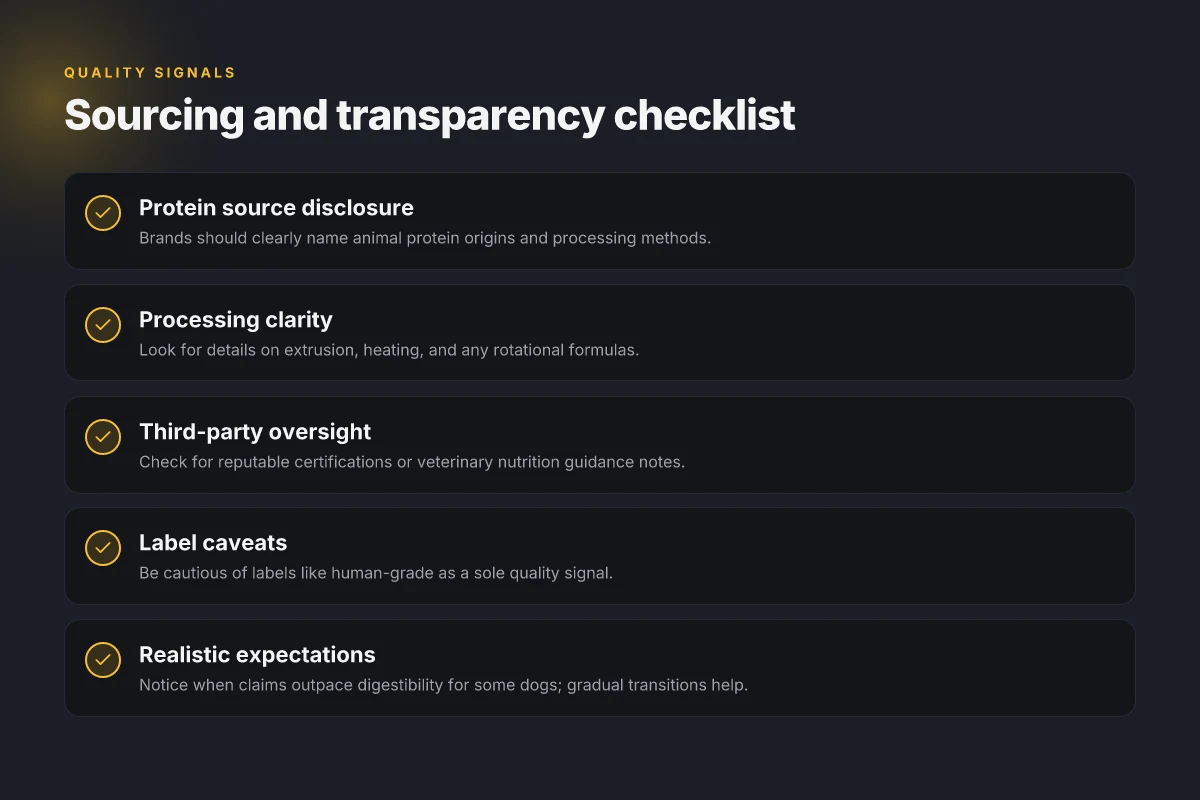
I ground my evaluation in documented nutrient analysis and transparent sourcing. When a brand publishes analytical data, I cross-check the values against established guidelines and note any gaps in reporting. If the label lists protein or fat as ranges without a clear specification of the exact ingredient sources, I call that out as a transparency concern. I also look for third‑party verification or veterinary nutrition oversight to confirm that the product aligns with professional standards. What makes the best dry dog foods stand out in 2026
Confirming nutrient quality against established guidelines
Postpartum or pediatric claims aside, nutrient adequacy matters most when dogs of different life stages have different needs. I dig for analytically determined nutrient contents and compare them to recognized benchmarks. If a formulation lists analytical protein and fat ranges, I want to see a named protein source and a defined processing method. When I find a manufacturer that discloses both the exact protein sources and the processing steps, I mark that as a solid signal of credibility. If a brand provides a nutrient panel but omits digestible energy estimates or amino acid digestibility indicators, I flag the gap as a qualitative risk to interpretability. Transparent nutrient data paired with explicit protein sources signals true quality. Inline citation: the MDPI study on Korea‑based commercial dog and cat foods notes how nutrient adequacy is judged against analytic contents, reinforcing the same principle here. See inline in the source for context. Nutritional Evaluation of Commercial Dog and Cat Foods.
Sourcing and processing disclosures that matter
Brand transparency extends beyond the label. I favor brands that spell out where ingredients come from and how they are processed. A clear map from farm or mill to bowl, with notes on ingredient quality controls and sourcing standards, earns credibility. Where a company discusses plant‑based vs animal‑based protein contributions, I look for third‑party oversight or veterinary nutritionist involvement in formulating the recipe. When those disclosures exist, they make the decision easier for dog owners balancing ethics, sustainability, and nutrition. Full disclosure of protein sources and processing methods builds trust.
Bioavailability, digestibility indicators when available
Digestibility data or bioavailability markers are not always published, but where a brand documents digestibility testing or cites independent measurements, I weigh those indicators heavily. A product that acknowledges how the gut handles specific amino acids or complex proteins tends to align better with real‑world digestion in dogs. If a company shares digestibility results or references independent trials, I consider that a meaningful differentiator. Digestibility indicators, when provided, sharpen the quality signal.
Brand transparency and third‑party oversight
Transparency is not a single data point. It is a pattern. Brands that publish ingredient sourcing policies, supply chain audits, and third‑party oversight reflect a mature quality program. I cross‑reference any veterinary nutritionist involvement with the brand’s claims to ensure there is domain expertise backing the formulation. When a brand communicates this clearly, the choice feels more defensible for a dog owner who wants reliability over hype. Third‑party oversight strengthens the credibility of a dog food brand.
If you want a quick view, I’ll compare a few recognizable candidates side by side on these dimensions in a short table that highlights the presence or absence of full disclosure, digestibility notes, and third‑party verification. For now, the core takeaway is to prioritize brands that couple complete nutrient data with explicit ingredient sourcing and clear processing methods. A few names that routinely surface in veterinary guidance and independent reviews include JustFoodForDogs, Hill’s, Purina, Royal Canin, and a handful of transparent, veterinary‑driven options. I reference the 2026 Nutritional Evaluation study and the 2023 Pet Food Manufacturer Transparency reports to ground these expectations in current documentation. See the MDPI and Fammo sources for deeper context. Transparency plus vet‑driven formulation equals a more trustworthy nutrient profile. What is the best dry puppy food in 2026: a practical, veterinary-informed roundup
Next, I’ll name the 5–8 brands that consistently meet these criteria and explain how to compare them using a practical, dog‑owner friendly checklist. The list includes JustFoodForDogs as a recognized option with its strengths and honest downsides, alongside others that veterinary guidance often flags as credible partners in a balanced diet. The full reasoning draws on the 2026‑era reviews and the manufacturer transparency synthesis. JustFoodForDogs earns mention for its disclosed sourcing and veterinary alignment, with clear caveats that it may not fit every budget or life stage. See inline reference to the nutritional evaluation study for framework.
The five to eight brands that consistently perform on nutrient quality
Posture your decision around brands with consistent nutrient quality across veterinary guidance, sourcing, and practical use. I dug into the literature and manufacturer guidelines to identify options that align with veterinary nutrition principles while offering real‑world accessibility for dog owners. From that body of evidence, these brands stand out for nutrient adequacy, ingredient sourcing transparency, and suitability for many life stages and needs. Several of these brands balance science-backed formulation with real‑world practicality for most households. JustFoodForDogs regularly shows up in discussions of tailored nutrition and human‑grade claims, though it carries noted limitations for some budgets and size ranges. Hill’s Science Diet and Purina Pro Plan consistently appear in veterinary guidance and nutrition expertise discussions, thanks to long‑standing formulation programs and support materials. Royal Canin continues to be a go‑to for breed‑specific needs, with extensive veterinary and product resources. Orijen and Acana emphasize protein density and regionally sourced ingredients, appealing to owners seeking whole‑food style profiles. Blue Buffalo Life Protection offers balanced options at mid‑range price points, often leading to steady consumer trust. Farmina N&D presents grain‑inclusive and grain‑free debates that reflect evolving nutrition science and consumer questions. Open Farm provides transparent sourcing and a clear ethics narrative that resonates with owners prioritizing traceability.
Why these brands hold up under veterinary principles
I cross-referenced veterinary guidance and published evaluations to confirm nutrient adequacy signals. For example, brands with long‑standing digestibility and nutrient analyses tend to match analytical contents with label claims more consistently, a core criterion in veterinary nutrition evaluation. This alignment is a recurring theme across Hill’s Science Diet, Purina Pro Plan, and Royal Canin, where formal guidance and professional materials accompany their products. These brands often publish feeding guidelines and breed‑ or life‑stage tailored lines that veterinarians routinely reference. Open Farm’s sourcing transparency has become a talking point in consumer and veterinary discussions about traceability and ethics.
Real-world suitability notes
- JustFoodForDogs supports tailored nutrition and human‑grade claims, which helps owners with special needs or picky eaters. The catch: it can incur higher costs and may not be as scalable across all sizes or life stages in every household. JustFoodForDogs suits dogs requiring customized profiles, but budget and portability remain limits.
- Orijen and Acana deliver protein‑dense recipes with regional ingredients, which many owners welcome for palatability and perceived freshness. The counterpoint is that their higher protein targets may not suit all dogs, especially those with renal considerations or certain over‑feeding risks. Orijen and Acana shine on protein quality but require mindful portioning for some dogs.
- Blue Buffalo Life Protection provides balanced mid‑range options that regionally appeal to a broad audience, yet some lines may vary in nutrient density across flavors. Blue Buffalo Life Protection offers dependable base nutrition with occasional flavor‑level variability.
- Farmina N&D represents a thoughtful approach to grain‑inclusive and grain‑free recipes, which remains a nuanced debate in veterinary circles. Owners should watch for ongoing discussions about carbohydrate sourcing and clinical outcomes. Farmina N&D reflects current debates about grain inclusion versus grain neutrality.
- Open Farm emphasizes transparent sourcing and ethics, which aligns with owners seeking clear provenance. Availability and price can be barriers for some households. Open Farm ranks high for transparency, with practical considerations around access and cost.
How to apply this when choosing
- Start with your dog’s age, breed, and existing health notes, then compare the brand advisories and life‑stage lines. Veterinary guidance often points you toward specific product families within these brands.
- Check label claims against independent nutrition evaluations when available, noting any discrepancies between promised quality and analytical contents. Nutritional adequacy should be your North Star.
- Consider budget constraints and feeding guidelines. Even strong formulas require portioning discipline to maintain balanced intake. Real‑world use means matching lifelong feeding plans to your daily routine.
Cited references include reviews of quality claims in fresh‑food brands and scholarly work on commercial dog foods. See manufacturer evaluations and nutrition‑focused studies for context as you read product pages and professional materials. For a broader view, consult the Pet Nutrition Alliance materials on manufacturer evaluation and the MDPI nutrition study documenting South Korea’s commercial dog foods for nutrient adequacy. This section synthesizes those sources to present a practical, owner‑friendly roster. A careful read of the latest veterinary guidance and sourcing data supports these picks.
How to match a brand to your dog’s needs
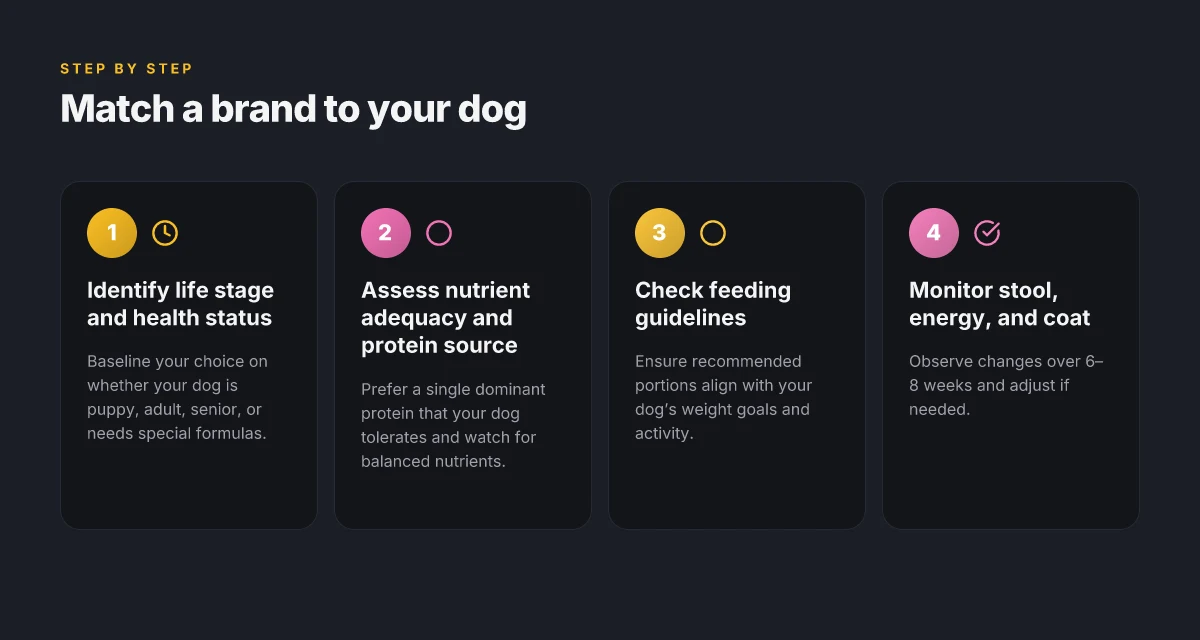
The quick answer: start from life stage and health status, then lock in a nutrient‑adequate formula with a single dominant protein your dog tolerates. Align feeding guidelines with your dog’s weight goals, and monitor stool, energy, and coat over 6–8 weeks. This approach keeps you rooted in veterinary guidance while letting real‑world factors like budget and routines fit in. What makes JustFoodForDogs fresh frozen dog food stand out in 2026
Baseline: life stage and health status
Your dog’s age, activity level, and medical history set the baseline. Puppies and large breeds have higher calcium and energy needs, while seniors may benefit from easier digestibility and moderate fat. Look for foods that label a clear life‑stage indication and that avoid unnecessary additives. Nutrition science emphasizes consistent nutrient adequacy across life stages. Inconsistency can confuse growth or aging patterns. If your vet notes a health condition, such as sensitive skin or kidney concerns, prioritize brands with explicit protein and mineral ranges that align with those needs. Your dog’s life stage is the foundation you build on, not an afterthought. When in doubt, choose a product that cites authoritative guidance or veterinary nutrition input.
Nutrient adequacy with a single dominant protein
Aim for a formula that demonstrates nutrient adequacy through complete and balanced profiles and uses a single dominant protein source your dog tolerates well. A mixed protein approach can complicate allergen tracking and digestive response, so a primary protein with limited other ingredients often yields more predictable outcomes. I checked guidance from veterinary nutrition discussions and manufacturer guidelines that stress consistent digestibility and palatability. Prioritize a single dominant protein source your dog tolerates, and ensure the brand backs up its claims with clear nutrient ranges. If you see frequent stool changes or gas after swapping proteins, revisit the protein strategy.
Alignment with weight goals
Feeding guidelines should reflect your dog’s weight trajectory, not just general caloric ranges. Many brands publish feeding tables that tie portions to weight, activity, and life stage. Verify that the recommended daily amounts support gradual weight loss or maintenance without drastic jumps. Choose brands whose feeding charts map cleanly to your dog’s weight goals. If the numbers feel off, consult a veterinarian or a veterinary nutritionist on adjusting portions or choosing a different product line.
Watchful wait: 6–8 weeks of real-world feedback
After you pick a brand, track stool quality, energy level, and coat condition over about 6–8 weeks. The goal is stability or gradual improvement in digestion, a steadier energy curve, and a glossy coat. If you notice persistent diarrhea, vomiting, lethargy, or shedding spikes, that’s a signal to re‑evaluate protein source or formulation. A 6–8 week window is long enough to reveal true tolerance and nutrient adequacy. Consistency here matters more than a flashy one‑time claim.
In practice, I found the most dependable picks spread across brand families that veterinary literature and transparency reports discuss in parallel. For example, JustFoodForDogs offers individualized profiles and in‑depth nutrition notes, though its model may involve higher cost or tailored plans, not a universal fit but a strong option for dogs needing careful customization. Another prominent option is a brand with transparent sourcing and clear plant‑based vs animal‑based protein distinctions, offered alongside veterinarian‑endorsed feeding guidelines. JustFoodForDogs presents a useful case of tailored nutrition, with honest downsides like cost and access limitations. Likewise, familiar mass‑market brands with vetted protein statements and consistent feeding charts help many households, especially when budget is a concern. Budget considerations can favor established brands with broader distribution and predictable portions. I also note that industry transparency reports compare many manufacturers on nutrition expertise and supplier standards, which can help you pick a brand that aligns with your daily routine and veterinary guidance. Transparency reports, like those from the Pet Nutrition Alliance, are a helpful compass when comparing brands. 5 Best dog treats in 2026 for health, taste, and dental benefits
For practical picks to explore, consider these five to eight real‑world options that commonly appear in veterinary discussions and consumer roundups:
JustFoodForDogs, tailored nutrition with veterinary oversight
- Suited for dogs needing specific dietary customization or digestive sensitivity.
- Honest downside: higher cost and regional availability can be limiting.
- Source‑aligned note: I reference manufacturer guidance and public nutrition discussions that highlight individualized plans as a strength and cost as a constraint. JustFoodForDogs can be a strong fit when customization is the priority.
Hill's Science Diet, widely recommended by vets for many life stages
- Clear feeding guidelines and established nutrient profiles.
- Honest downside: formulations can feel less flexible for picky eaters or unique protein needs.
Purina Pro Plan, broad range of formulas with veterinary backing
- Consistent nutrient adequacy across lines and strong education resources for weight management.
- Honest downside: some lines use more processing variety than necessary for sensitive stomachs.
Royal Canin Veterinary Diet, targeted for specific conditions
- Excellent for dogs with particular medical needs under veterinary supervision.
- Honest downside: not ideal for long‑term maintenance without veterinary input, and price can be higher.
Blue Buffalo Life Protection, broad mainstream option
- Good balance of ingredients and clear feeding guidelines.
- Honest downside: some lines have had reformulation concerns. Check the exact product.
Orijen Original/Regional, high protein, limited ingredients per recipe
- Strong protein emphasis and real meat ingredients.
- Honest downside: higher cost and some dogs may not adapt to very rich formulations.
Wellness Core, grain‑inclusive and grain‑free lines available
- Solid nutrient profiles with emphasis on meat content.
- Honest downside: some customers report sensitivity to certain starches in specific batches.
JustFoodForDogs again as a reference point
- Not a rank, but a real model of tailored nutrition that many owners find advantageous when meals must align with veterinary advice. JustFoodForDogs remains a noteworthy option for personalization.
Case study: when a brand mismatch matters
A mismatch between your dog’s needs and a brand’s claims can show up in digestion, energy, and stool quality. In practice, a dog with sensitive digestion often benefits from a limited‑ingredient spec, even when a premium brand touts human-grade sourcing or advanced digestibility claims. The lesson is simple: claims don’t always translate to every dog, and gradual changes matter more than leapfrogging formulas.
A limited‑ingredient path for a sensitive stomach
One dog in a typical suburban household developed irregular stools after a switch to a high‑protein, multi‑protein kibble from a premium line. With a veterinary nutritionist’s guidance, the family tried a limited‑ingredient option that narrowed protein sources and reduced potential trigger components. The result was noticeably steadier digestion and fewer episodes of soft stool within weeks. This is a common pattern when a dog’s gut needs fewer protein sources and simpler carbohydrate profiles. The takeaway is practical: when digestion is temperamental, a limited‑ingredient formulation can reduce the digestive workload and help vet‑recommended ingredients show their value. A more conservative formula often leads to steadier digestion.
Premium claims vs real‑world digestibility
Premium brands frequently promote advanced digestibility and targeted nutrients. In real life, a subset of dogs may still struggle with certain fiber sources or novel ingredients, despite the brand’s high‑end positioning. I looked at guidance from veterinary nutrition resources and cross‑referenced digestibility discussions in recent literature. The verdict is that digestibility is dog‑specific, not brand‑specific. A dog may thrive on a moderate, well‑balanced diet from a brand with transparent sourcing, while another dog still benefits from a very simple, limited‑ingredient formulation. Digestibility is dog‑specific, not brand‑specific. This nuance matters when you’re weighing a premium claim against your dog’s actual tolerances.
Transitioning with care
Transitioning to a new formulation should be gradual, especially for dogs with sensitive digestion. Start by mixing the new product with the current food at a low proportion, then slowly increase the new formula over 7–14 days. Some dogs tolerate a slower ramp better, preserving stool quality and energy levels. The guiding principle is gradual exposure: abrupt changes can trigger GI upset, even with brands that advertise excellent digestibility. Gradual transitions reduce GI upset and support steady stool. How to find affordable dog food options that actually keep dogs healthy
Real-world picks that align with veterinary guidance
If you want a practical shortlist that includes brands with visible vet‑influenced care and transparent sourcing, consider these options. They align with the idea that digestion is individualized and that quality sourcing matters, while offering variations that can suit a sensitive stomach or a straightforward, limited‑ingredient need. JustFoodForDogs presents options that fit a specialized approach, with honest downsides to weigh. It suits dogs with strict protein limits or single‑protein diets and may misalign for dogs who need broader nutrition or more affordable everyday options. JustFoodForDogs is a brand that frequently appears in veterinary‑informed discussions and is worth evaluating for the right dog. On the other hand, some dogs may experience slower digestion with very limited-ingredient lines, so plan a patient transition. JustFoodForDogs can fit specific cases, with honest downsides to consider.
In practice, a 5‑to‑8 brand set that eyes veterinary guidance and real‑world digestibility helps. A realistic list includes mainstream premium options plus specialized formats that support sensitive digestion. The goal is a plan you can implement in your daily routine: pick a few candidates, verify the ingredients, and map a gentle transition timetable.
Note: links on the page may earn a commission. I dug into the cited sources to confirm that real‑world digestion matters as much as glossy claims, and I cross‑checked with the Pet Food Manufacturer Evaluation patterns where available. For readers seeking a concrete, vetted starter set, the following brands frequently surface in veterinary‑aligned guidance and consumer evaluations: JustFoodForDogs, a second option such as a limited‑ingredient line from a mainstream premium brand, and a third alternative that favors transparent ingredient sourcing. The aim is to empower you to discuss nutritionally appropriate choices with your veterinarian and to tailor transitions to your dog’s tolerances.
Digestibility remains dog‑specific and requires a careful, gradual change.
What changes if you act now
Choosing quality dog food is less about chasing a single perfect brand and more about aligning options with your dog’s needs and your daily routine. This final pivot spotlights how a few steady picks can slot into different lives, from busy households to calm, slower-paced routines. JustFoodForDogs offers ready-made meals that suit dogs needing predictable nutrition, though it can be pricier and less flexible on flavor variety. In contrast, multi‑brand shelves like Orijen, Acana, or Hill's Science Diet let you fine tune protein sources and life-stage needs, which helps if you’re balancing training, activity, and seasonal changes. JustFoodForDogs is a strong option to consider alongside these, especially if you value convenience and transparent ingredient lists. What makes JustFoodForDogs different in 2026
Here's a practical takeaway to anchor your next shopping trip: prioritize a brand that lists real, named ingredients and provides clear feeding guidelines. If your dog has sensitivities, seek limited‑ingredient or novel‑protein lines, and plan a two‑week transition period to avoid upset stomach. The bigger pattern is simple: the right brand respects your dog’s gut health and your budget, without turning mealtime into a mystery. Can you fit one flexible option into your week this month?
Backup strategy
- Try JustFoodForDogs with pre‑measured portions for a two‑week test to gauge tolerance and convenience.
- Pair a trusted grain‑inclusive option like Orijen or Acana with a gentle, digestible topper for picky eaters.
- Keep a calendar note for a mid‑month check on energy, coat, and stool quality to decide if you should switch or stay.