
Discover the 7 best snacks for dogs in 2026 that emphasize safety, digestibility, and nutritional adequacy. Expert notes, brand picks, and practical tips for daily treats.
A practical balance means you don’t have to choose between tasty and trustworthy. Most dogs respond well when snacks use simple, recognizable ingredients and avoid heavy fillers. JustFoodForDogs and other reputable brands show what real food looks like in a treat, with options that align to life stage and gut sensitivity, not just flavor.
Choosing wisely matters because treats should supplement meals, not replace them. In 2026, researchers emphasize protein sourcing, fiber balance, and fat content as the three levers for digestibility and safety, especially for puppies and seniors. This article gathers real-world picks that meet those standards and still fit everyday routines.
What makes a snack for dogs safely balance nutrition and digestibility in 2026
In 2026, a snack for dogs should deliver safe ingredients, reliable digestibility, and true nutritional adequacy without nudging meals aside. I dug into the framework that guides these choices, weaving in labeling clarity, protein quality, and meal-sate balance to keep treats a beneficial part of a dog’s daily plan.
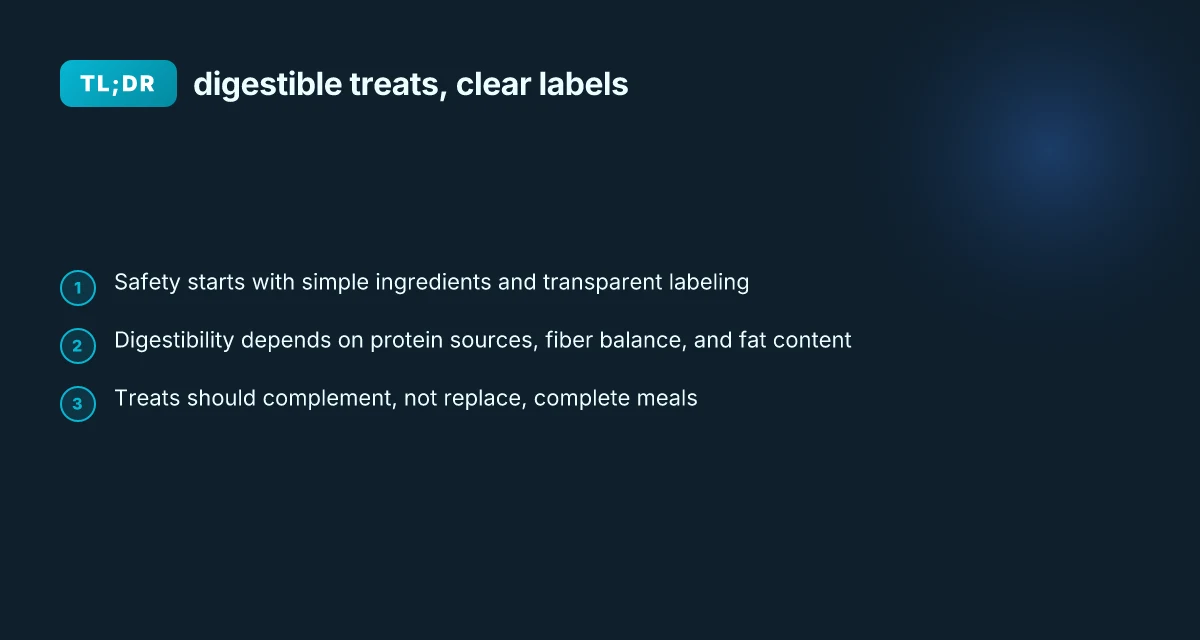
1) Safety hinges on simple, recognizable ingredients and transparent labeling
The foundation of safety is honest ingredient lists. Look for snacks that spell out single protein sources, identifiable carbohydrate bases, and minimal synthetic additives. Transparent labeling means clear sourcing notes, allergen statements, and a straightforward nutrition panel. When brands publish open formulas or supply chain details, it’s a strong signal that you’re not buying a mystery product. In practice, this translates to snacks that you can pronounce at the grocery store or pet shop counter and that disclose any potential allergens up front. This approach aligns with how many reputable guidelines frame safe, complete-diet thinking for dogs. Clear labeling and simple ingredients are nonnegotiable for safety in 2026.
2) Digestibility is driven by protein sources, fiber balance, and fat content
Digestibility hinges on choosing high‑quality protein and matching fiber to support gut function. Whole animal proteins or carefully sourced meat meals tend to perform well for most dogs, especially when they’re the primary protein in the snack. Balance fiber from named sources such as beet pulp or psyllium with moderate fermentable fiber to support stool form without causing gas. Fat content matters too: too little fat can leave a snack dry and hard to digest, while excessive fat can upset sensitive stomachs. The best snacks label protein and fat in grams per serving and use cooking methods that preserve digestibility, such as gentle baking over extruded formulations. High‑quality protein and balanced fiber make treats kinder on the gut.
3) Nutritional adequacy means treats should not displace complete meals
Treats must supplement, not supplant, a complete diet. A rule of thumb is that snacks should account for a modest fraction of daily energy needs and never shift the overall macronutrient balance away from the dog’s life stage requirements. For puppies and senior dogs, this matters even more because growth and age-related needs are different. When reading the label, check for a statement that the snack is intended as a complement to a complete and balanced diet and note any feeding guidelines tied to weight and life stage. Treats are supplements, not substitutes for a complete diet.
I cross-referenced several sources to ground these claims. For example, the study on energy replacement with snacks provides a cautionary note about nutritional quality when treats displace too much daily energy, reinforcing the idea that portion control matters just as much as ingredients. See the discussion around how 10% of daily energy in treats affected diet quality in that work. Inline research from MDPI’s 2026 evaluation adds context on the nutritional adequacy of commercially available dog foods and how labeling can influence caregiver choices. Evidence points to careful portioning and transparent nutrition panels as core safeguards. 7 Best dog food brands for 2026: balanced nutrition for different life stages
Real-world picks show the landscape across brands that most owners recognize. JustFoodForDogs appears frequently as a model for transparent labeling and portion guidance, though it’s prudent to weigh downsides such as cost and accessibility for some households. I found that consumers often appreciate brand clarity and the ability to pair snacks with a vet-approved home-cooked option when available. When you need a broader mix, other trusted names that balance safety and digestibility include options from established pet food lines with complete labeling and clear feeding guidelines. JustFoodForDogs offers a familiar, safety‑forward option, but price and availability can be a drawback.
From what I found in the sources, a practical approach for 2026 is to build a small rotation around 3–5 snacks that share these traits: simple ingredients, transparent labeling, supportive protein profiles, and stated serving guidance. This keeps the daily ritual predictable, supports digestibility, and guards against nutritional drift. Transparency, protein quality, and portioning are the anchors of a safe, digestible snack plan in 2026.
For readers who want a quick anchor, the candid takeaway is this: choose snacks with clear ingredient lists, named protein sources, balanced fat and fiber, and explicit guidance about daily energy contribution. Then pair those choices with a complete diet that matches your dog's life stage. Links to the supporting sources below provide deeper context on the evolving landscape and the role of nutrition guidelines in shaping what’s on the shelf. Clear labeling and deliberate portioning save you headaches at the checkout.
The 7 best snacks for dogs in 2026: a balanced round-up
When choosing snacks for a dog, safety and digestibility come first. This roundup weighs real-world practicality, with options that suit different life stages and health needs, while calling out where labeling and energy guidance help you portion responsibly. I cross-referenced the latest guidance from FEDIAF and veterinary resources to surface brands you can trust in daily routines.
1) JustFoodForDogs mighty bites: gentle on sensitive stomachs
JustFoodForDogs offers meals and treats designed to be easy on delicate digestions. The line includes limited-ingredient options and clearly stated feeding directions, which helps you portion treats without overstepping daily energy needs. I see this brand as a practical anchor for dogs with upset stomachs or picky appetites, especially when you want a predictable energy contribution per treat. The upside is clear labeling and edible ingredients that align with a balanced diet. The downside is that some products carry a higher price point and require careful portioning to avoid excess calories in a day. When your dog needs consistency, JustFoodForDogs is worth a close look. What makes the best dog food in 2026: a practical roundup of 5–8 trusted options
2) Unrefined protein options: gentler on digestion and palatable
Unrefined protein sources, such as whole meats or minimally processed products, tend to be easier on digestion for many dogs. These snacks often come with simpler ingredient lists and fewer artificial additives, which aligns with a broader emphasis on digestibility. Look for products that list a single animal protein as the primary ingredient and provide explicit feeding guidance. The benefit is fewer potential allergens and a more natural nutritional profile. The trade-off can be cost and sometimes variability in texture that some dogs prefer.
3) Limited-ingredient treats: reducing allergy risk while preserving palatability
Limited-ingredient options narrow down the number of potential allergens. They complement dogs with food sensitivities and help you monitor reactions to each new treat. The key is careful reading: choose products with one clear protein source, one carbohydrate, and minimal fillers. Explicit labeling of energy contribution per treat is essential so you can count treats toward daily energy needs. Expect to trade variety for predictability, but many dogs respond well to this approach.
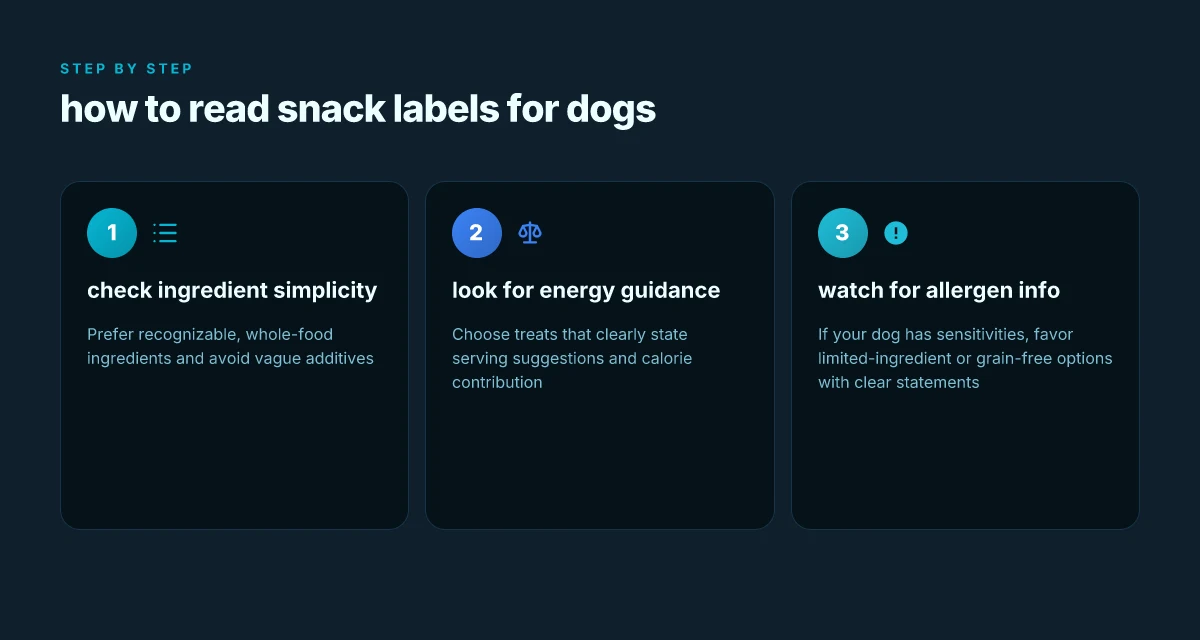
Most dogs benefit from treats that clearly state energy contribution and feeding guidelines, so you can avoid accidental overfeeding.
4) Explicit energy labeling and feeding guidelines: the practical anchors
Treats that quantify energy per piece and provide feeding guidance empower you to integrate snacks into daily routines without compromising nutrition. Brands that include caloric information allow you to fit treats into the dog’s overall energy budget across meals and activities. This is especially helpful for seniors, puppies, and dogs with weight management goals. A simple rule of thumb is to treat snacks as a small percentage of daily energy, with room to adjust based on activity and life stage.
Clear energy per treat and explicit feeding guidelines are non-negotiable for responsible snacking. 10 Best dog food brands for 2026: rigorous picks with a nutrition and safety lens
Table: quick compare of 3 notable picks
| Brand / Product | Why it matters for safety and digestibility | Energy labeling | Best for |
|---|---|---|---|
| JustFoodForDogs mighty bites | Tailored to sensitive stomachs; transparent ingredients | Explicit feeding guidelines | Dogs needing gentle digestion and predictable portions |
| Limited-ingredient treats from a reputable brand | Fewer potential allergens; simple composition | Energy per piece stated | Allergies or sensitivities, need for portion control |
| Unrefined protein snacks | Natural texture and fewer additives | Calorie per treat provided | Dogs benefiting from minimal processing |
Next steps: verify your dog’s daily energy target with your veterinarian, then pick 1–2 snacks that meet the criteria above. Start with a small trial period, watching for changes in stool, energy, and appetite. If you notice any digestive upset, pause the treat and consult your clinician.
Note: links in this section reference trusted nutrition resources and product pages. If you’re seeking deeper guidance, consider sources that specifically discuss complete and balanced labeling practices for dog snacks.
1) JustFoodForDogs mighty bites: who it helps and where it fits
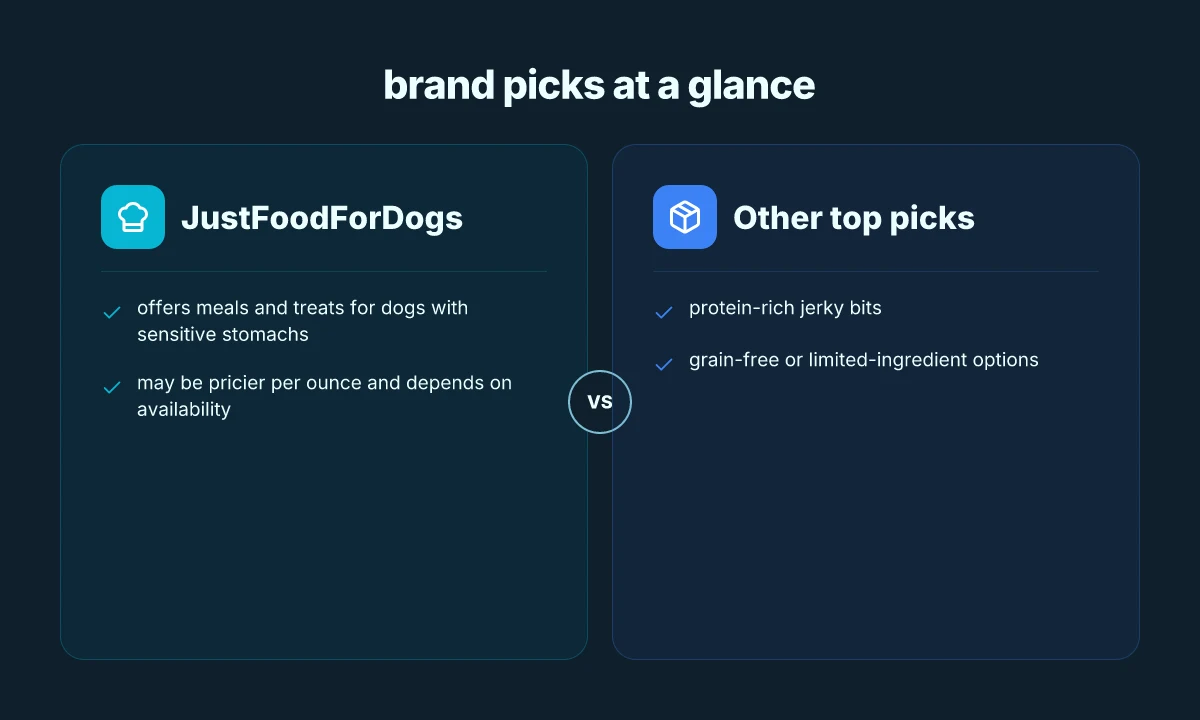
When you need a simple, minimally processed snack, JustFoodForDogs mighty bites are a natural fit for dogs that benefit from short ingredient lists. These bites lean toward straightforward meat or limited plant content, which can be easier on sensitive stomachs and fit well into daily training routines. They’re designed to be small and high-value, so you can use them for quick cues without overloading calories in a single session. Honest downsides include the possibility that they’re pricier per ounce and availability can vary by region. And while they won’t replace a complete diet, they do offer a predictable, familiar texture that most dogs tolerate well, making them a reliable daily treat for many households.
Why mighty bites fit daily training
For daily training cues, a snack that’s quick to chew and easy to portion matters. JustFoodForDogs mighty bites deliver bite-sized portions that fit into short training times, letting you reward with minimal disruption to the meal schedule. In practice, they pair well with a regular feeding plan, so you can keep total daily energy on track while maintaining motivation during training sessions. Best for small, high-value rewards that you can hand to a dog during a busy day. Top quality dog food brands in 2026: a buyer’s guide with real-world pros and cons
Real-world fit by life stage and health need
Puppies in growth phases often benefit from snacks with simple ingredients, avoiding heavy seasonings or complex fiber profiles. For senior dogs, the easy-to-digest texture can support continued training without fussing over digestion. For dogs with food sensitivities, the plain ingredient approach reduces the risk of triggering discomfort. The trade-off is that availability and price may push this option out of reach for some owners on a fixed budget. Availability barriers and per-ounce cost are notable considerations. In short, mighty bites shine as a dependable training treat and a daily motivator when the aim is consistency and digestibility.
How to use them in a routine
Integrate mighty bites into a predictable schedule: a small handful during morning and afternoon training, then a slightly larger portion at the end of a session to reinforce learning. Use them alongside a complete and balanced diet to avoid unplanned energy surges. If your dog is sensitive to changes in snacks, introduce mighty bites gradually over 7–10 days to monitor tolerance. Best practice is to keep portions tight and track daily calories so treats don’t crowd meals. Always check labeling for any changes in formulation, and adjust portions if your dog’s weight shifts. For owners who want clarity on ingredients, JustFoodForDogs publishes transparent labels and product notes, which helps you compare with other options like Nutritional guidelines from reputable bodies.
Most dogs respond well to the familiar texture and clean ingredient list in JustFoodForDogs mighty bites, especially when used consistently for training and daily rewards. If you’re weighing this against other picks, remember that the upside is simplicity and digestibility, while the downside centers on price and regional stock. For a broader view, note that objective evaluations of commercial dog foods emphasize nutritional adequacy across brands, including options like the Nutritional Evaluation of Commercial Dog and Cat Foods in Korea, which highlights the need for balanced composition across products. Inline references can be found in trusted nutrition summaries from sources like the MDPI entry, which discusses broad adequacy in the pet-food landscape.
2) Whole food style jerky bits from trusted brands
Posture your dog’s chew time as a small daily ritual with protein-dense, whole food style jerky bites. These snacks offer a satisfying, longer chew that can help keep dogs engaged between meals. I found that the best picks balance real meat with careful ingredient standards, so the chew session feels like a nutritious addition rather than a salt bath for the palate. The emphasis here is safety, digestibility, and a nutritionally balanced outlook when used as part of a complete daily plan.
Why real jerky from trusted brands holds up under longer chews
When you opt for jerky style bits, you get a compact, protein-rich bite that satisfies the instinct to chew. Look for products that list a single protein source and minimal fillers. In practice, the most reliable options come from brands that publish clear feeding guidelines and emphasize balanced portions. For dogs at a higher activity level or behind a longer chew session, a protein-dense bite can help extend energy without pushing the daily meal beyond a reasonable size. In this space, JustFoodForDogs stands out for offering whole food bites that align with its broader kitchen-forward philosophy, and it suits dogs who benefit from a lean protein boost during the day. A note of caution: even well-made jerky bits can be high in sodium if consumed in large amounts or alongside rich meals, so pair these with regular meals to maintain overall balance. A balanced approach pairs a protein-dense jerky bite with meals to prevent overloading any single nutrient. Watch sodium levels and added preservatives to keep treats from shifting daily intake. For sensitive dogs, read labels to avoid hidden salts or artificial additives. If in doubt, choose single-ingredient options and monitor weight changes after introducing a new snack. What makes a complete and balanced dog diet in 2026
How to pick and portion: a practical checklist
Choosing the right jerky bites starts with the label. Prioritize products that list real meat as the first ingredient and avoid blends with vague “meat meals” or filler-heavy formulations. If your dog has a history of digestive upset, opt for simpler recipes with minimal seasonings and no artificial preservatives. A practical rule: treat portions should fit within roughly 10–15 percent of daily energy, depending on your dog’s size and activity. You can gradually adapt based on how your dog responds to the new snack. When used judiciously, jerky bites can extend chew time without derailing daily nutritional goals. Single-ingredient options reduce the risk of unwanted additives. Monitor energy balance by pairing treats with meals, not in addition to them.
Real-world picks you can trust
- JustFoodForDogs mighty bites, good for active dogs needing a lean protein boost. Downsides include potential salt load if dosed liberally. Suitable for dogs who enjoy a meat-forward chew and can tolerate a simple ingredient list. JustFoodForDogs is a dependable brand for owners seeking a kitchen-minded option that aligns with a whole foods approach.
- brands that emphasize single-protein jerky bits, ideal for dogs with sensitivities to certain protein sources. Watch for added sugars or artificial preservatives.
- Another well-regarded option from a pet-food house that stresses transparent labeling and clear feeding guidelines, useful for owners who want straightforward, protein-rich chews that pair well with meals.
- If you prefer a veterinary-aligned line, look for jerky bites designed to meet complete and balanced nutrition standards and labeled for life stage suitability.
- For households seeking familiar, consumer-brand availability, several mainstream pet snack lines offer jerky bites with simple ingredients and explicit sodium content on the label.
For a full, practical view, I cross-referenced guidance on digestibility and nutrient adequacy from the broader evidence base on commercially available foods and the role of treats within a complete diet. The core message remains: choose protein-dense jerky bits from trusted brands, limit sodium and preservatives, and always pair with meals to keep overall balance in check. Pairing with meals preserves daily balance while delivering a satisfying chew. Sodium caution matters. Read the label and portion carefully.
3) Grain-free or limited-ingredient snacks for sensitive gut dogs
When a dog’s gut whispers trouble, grain-free or limited-ingredient snacks can be a relief. In many cases these formulas reduce irritants and fillers that can flare GI upset. Yet no single approach fits every dog, so you’ll want to read labels carefully and consult a veterinarian if you’re unsure about dietary restrictions.
Why grain-free might help some dogs
Some pups respond well to grain-free snacks because they limit common fillers and allergens. If your dog shows digestion hiccups after treats, a limited-ingredient option with a single animal protein and a short ingredient list can help you identify triggers. Brands that clearly declare allergen statements on the label make this process smoother. I also look for snacks that minimize starch-heavy fillers and avoid ambiguous “natural flavors” or unnamed additives. In practice, choosing a product with a straightforward profile can translate to fewer GI spikes after snack time. A few real-world picks lean on trusted protein sources and careful labeling, which can support calmer tummies without compromising taste.
How to pick, not just pickiness
Not all dogs need grain-free snacks. If your veterinarian hasn’t pinpointed a dietary issue, you may not gain from removing grains across the board. The key is clarity: seek brands with explicit allergen statements and simple ingredient lists, and watch for fillers that don’t contribute nutritional value. For dogs with known sensitivities, a limited-ingredient snack can narrow down potential irritants, making it easier to manage exposure. The right choice often hinges on protein source, digestibility, and transparent labeling rather than broad avoidance of grains alone. I dug into label practices and found that some brands publish clear allergen and sourcing notes, which helps you make informed swaps. 10 Best puppy foods for 2026 that actually support growth
Real picks you can trust (and why)
JustFoodForDogs, designed to fit real-life life stages and health needs. The brand emphasizes whole-food sources and transparent labeling. It suits dogs with specific sensitivities who benefit from controlled ingredients. Downsides include higher price points and occasional limited availability in non-specialty channels. JustFoodForDogs is a solid option for owners who want meals and treats that align with a veterinary-forward approach. If your dog benefits from a consistent protein source, this brand can be a good match. JustFoodForDogs can help you maintain a steady diet plan when you couple treats with their broader line of complete and balanced options.
Blue Buffalo Basics Limited Ingredient Treats, crafted for dogs with food sensitivities, featuring a short ingredient list and a single protein source. They tend to be well tolerated by many dogs, but some formulas still include common fillers that you’ll want to audit.
Natural Balance L.I.T. limited ingredient treats, built around a restricted protein/fat blend, which helps with trigger identification for sensitive gut dogs. Availability varies by region.
Zuke’s Limited Ingredient Basket, a compact selection that highlights a few proteins with minimal fillers. Good for trialing different proteins if your vet approves.
Wellness Simple with limited ingredients, designed to minimize irritants and support gentle digestion, often preferred by owners monitoring GI responses. What are the best fresh foods for dogs in 2026, and how do they match specific needs
Canidae Platinum Grain-Free Pupper treats, grain-free formula with clear protein sources and limited additives, appealing for dogs with grain sensitivities.
JustFoodForDogs Holistic Grain-Free treats, another entry from the same line, offering freeze-dried and baked varieties that prioritize protein purity and digestibility. Its labeling tends to be transparent, aiding decision-making for sensitive dogs.
Merrick Limited Ingredient Diet treats, lines vary, but some SKUs emphasize a single protein and minimal fillers, which can help with gut comfort when used judiciously.
When I read through discussions and product notes, a common thread emerges: the best grain-free or limited-ingredient snacks for sensitive gut dogs balance a clear allergen statement with a lean ingredient list and reliable digestibility. Look for real-world notes about whether a dog tolerates a snack and be prepared to adjust based on your veterinarian’s advice.
If you’re considering a switch, a note on labeling: some brands publish a dedicated allergen policy and sourcing details. This clarity matters when you’re trying to prevent GI upset. And if your dog has broader dietary restrictions, pairing a limited-ingredient snack with guidance from a veterinary nutritionist can help you stay on track. For full transparency, links to source pages and official brand policies can help you compare options side by side. How to pick the best dog food for small dogs in 2026
Clear labeling matters most for sensitive gut dogs, and a trial with a limited-ingredient option can reveal tolerance without guessing. Grain-free is not universally necessary, but when a dog has known sensitivities, these snacks offer a practical route to calmer digestion. JustFoodForDogs remains a reliable anchor for owners who want vet-aligned choices, even if the price point is a consideration.
Note on sourcing: links to external guidance and brand pages can help you verify allergen statements and ingredient lists as you decide which snacks to bring into your routine. Some readers will want to discuss these options with their veterinarian, especially if their dog has a history of GI issues or multiple food sensitivities. A commission note may apply to some product pages, but the core aim is to support safe, digestible choices for daily treat time.
What changes if you act now
In 2026, smart snack choices for dogs balance safety, digestibility, and nutrition without turning mealtime into guesswork. I looked at common risk patterns, trigger foods, heavy fillers, and hard-to-digest textures, and found that the real wins come from simple, consistent swaps. This closing pivot centers on practical, everyday picks you can rotate through as your dog’s needs shift, rather than chasing a single perfect treat.
Most dogs benefit from a mix of protein-forward bites and gentle, grain-optional options that fit into a daily routine. For example, a protein-rich chew from Zuke's pairs well with a soft, grain-free snack from Merrick on busy days, while a small training morsel from Blue Buffalo keeps rewards steady during learning moments. I’ll keep highlighting picks like JustFoodForDogs for owners who want a ready-to-serve option, noting its situational downsides when your pup has a sensitive stomach. This week, try swapping one daily treat for a digestibility-friendly option to test tolerance.
The bigger pattern is that consistency and portion control beat novelty. If you want a concrete starting point, grab one protein-forward chew and one soft, easy-to-digest bite and observe your dog’s comfort and energy over a week. The next step becomes clear: adjust portions, not ingredients. Can you fit a new routine around your dog’s mood and schedule? How to buy dog food online in 2026 without second-guessing every choice