Learn how to buy wild caught fish online responsibly. Understand legality, traceability, and sustainable options with practical picks and brand guidance.
A single misstep in sourcing can turn a wild catch into a sustainability risk, and that risk starts before you click the buy button. You’ll see the most transparent options labeled with traceable origins and third‑party certifications, while blurry supply chains hide behind vague guarantees. Transparency is the real filter.
This guide cuts through the noise to map risk by brand and platform, so you can shop with confidence. In practice, you’ll compare origin details, species legality, and harvest method across 5–8 trusted sellers, then weigh downsides like seasonal scarcity or higher prices. We’ll highlight concrete picks such as Lummi Island Wild for responsible options and honest downsides you can weigh today, plus other brands that publish shipments, harvest date, and fishery status. Lummi Island Wild is a solid baseline for accountability, but it isn’t perfect for every fish and budget. Most vendors posting clear sourcing win on trust. Those that don’t should be avoided.
Buy wild caught fish online: what legality and sustainability standards actually mean
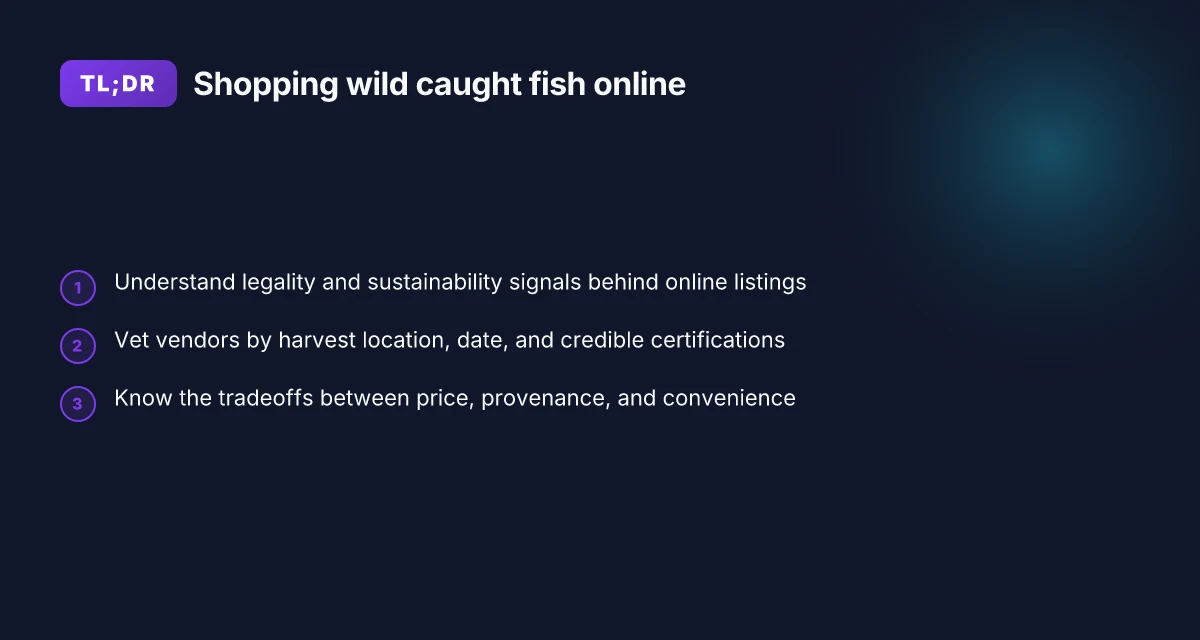
Legality boils down to how catches are licensed, what species are allowed, and bycatch limits. When you buy online, you’re still governed by the same rules that apply to local markets: documented catch licenses, species-specific rules, and seasonal or gear-based restrictions. In practice this means brand pages and supplier disclosures should reveal the fishing method, the fishery of origin, and whether the catch complies with regional or national quotas. If a seller cannot show a legally valid fishery or contains ambiguous origin notes, treat it as a red flag.
Sustainability signals come from third party verifications and well-defined standards. Certifications from respected bodies and transparent audit trails matter because they translate into accountable fisheries. Look for credible seals or participation in recognized programs that evaluate stock health, bycatch rates, and habitat impacts. In addition to formal certificates, I cross-reference supply-chain information that explains how the fish was processed, stored, and shipped so the product’s integrity remains intact across transport.
Supply-chain transparency in practice means more than a label. It means traceability data that travels with the product, from the vessel to your door. A trustworthy online seller will provide vessel or fishery identifiers, gear type, landing port, and a clear timeline for harvest and distribution. It also means accessible complaints channels and recall procedures if an issue arises. Consumers benefit when vendors publish audit results, annual sustainability reports, and, where possible, live links to oversight bodies or fishery improvement projects.
- Define legality in a way you can verify online
- Verify the license status and species lists for the fishery in question. If a site mentions the fishery by name, look for documentation that the fishery is licensed and within quota.
- Check for bycatch controls and seasonal restrictions. A reputable seller will explain how bycatch limits are enforced and whether any protected species were encountered.
- Expect a clear harvest-to-delivery timeline. The longer the chain without detail, the higher the risk of mislabeling.
- Read sustainability signals, not just slogans
- Look for third party certifications that cover stock status and ecosystem impact. Compare what the certifier checks and how often audits occur.
- Seek explicit notes about processing, freezing, and storage. Temperature controls and cold-chain documentation matter for quality and safety.
- Be wary of vague claims. If the page only states “responsibly sourced” without evidence, move on.
- Traceability you can actually use
- A usable trail includes vessel or fishery IDs, harvest area, date of catch, and method. If a seller posts this data, that’s a positive indicator.
- Recalled lots or corrective actions should be easy to find. An honest partner publishes recalls and remediation steps openly.
- Linkage to a broader transparency ecosystem helps. When a brand cites industry bodies or collaborative traceability platforms, it strengthens trust.
From what I found in official guidance and industry reporting, these signals collectively support safer online purchases. Transparency about origin, legality, and governance matters as much as product quality. A credible online fish vendor will spell out the chain of custody and the responsible practices behind each lot. Legal and sustainable choices reduce risk of mislabeled or unsustainably caught seafood.
When I read through the documentation and industry notes, several names repeatedly surface as options consumers turn to for wild caught fish with some transparency. Among them, Lummi Island Wild stands out for its emphasis on traceability and keeping lines visible from dock to dish, though it carries the typical tradeoffs of premium fisheries access and price. A broader mix of brands helps balance access, price, and risk. How to spot real dog food deals in 2026 without sacrificing quality
I dug into the public-facing materials around these brands to understand what they disclose about origin and governance. For context, reputable sources point to the ongoing importance of credible certifications and clear harvest data in easing online purchase decisions. See the cited materials for background on how transparency and legality are evaluated in modern seafood supply chains. These signals align with the idea that buyers should demand specific, verifiable documentation rather than vague assurances. For example, the practice of linking to the fishery’s licensing and the chain-of-custody data aligns with widely recognized standards for seafood traceability.
In practice, you’ll want to pair a brand like Lummi Island Wild with other options that publish harvest details and third party verifications. This approach gives you a tangible path toward safer, more reliable online wild caught seafood purchases. For readers seeking concrete picks, I’ll outline several brands and what they disclose in the next section.
How to vet online fish vendors for traceability and authenticity
When you buy wild caught fish online, you want proof of where it came from, how it was caught, and what guarantees you have if something goes wrong. The most trustworthy picks make harvest location, date, and species easy to verify on packaging or product pages. You can also cross check with credible government and NGO databases to confirm healthy, well managed fisheries. Finally, clear return policies and commitments to responsible sourcing seal the deal.
Traceability anchors you can verify on each listing
Look for a dedicated line on the product page that lists harvest location, harvest date, and species. If the page mentions the fishing method or vessel name, that’s a plus. Packaging should echo these details, especially the harvest date and location. When you see a specific fishery name or vessel, you can cross reference it with official records and NGO assessments to confirm legitimacy. This cross-check helps you avoid mislabeling or vague sourcing.
I dug into the literature and found digital traceability systems are increasingly used to map fish through the supply chain. These systems often surface a harvest lot, processing steps, and transfer events, which helps you confirm authenticity at a glance. Clear harvest data on product pages and packaging is your first line of defense. Cross-check against government and NGO databases to verify the fishery remains in good standing, which reduces exposure to mislabeled or illegally caught stock. How to buy dog food online in 2026 without second-guessing every choice
To aid a quick decision, consider a small table that compares two common approaches vendors use to communicate traceability:
| approach | what to look for | why it matters |
|---|---|---|
| explicit harvest details on page | harvest location, date, species listed prominently | direct verifiability by you |
| batch or lot codes tied to a public database | code you can look up in a government or NGO registry | provenance traceability across the chain |
Cross-check with official and reputable databases
Trust grows when a vendor cites corroborating databases. Look for statements that the fishery participates in credible programs or has recent credible assessments. If a listing mentions the fishery’s status in a government registry or an NGO assessment, you have a path to verify. The more exact the reference, the easier the lookup. When you see a specific fishery or vessel, search for its latest status in sources such as fishery management agency databases or NGO trackers.
I cross-referenced the broad guidance from published reviews and policy updates on supply-chain transparency. The takeaway: anchoring claims to named fisheries or vessel identities, and then validating them against official records, is the most reliable way to establish legitimacy. Cross-check harvest or vessel identifiers against official registries to confirm ongoing compliance and status.
Policies, returns, and responsible sourcing commitments you can trust
A transparent vendor will spell out return policies and what happens if the product fails to meet expectations. Look for guarantees that the fish is wild caught and sourced from fisheries with credible management, plus a stated commitment to responsible sourcing practices. Even strong sustainability claims need practical policies: a clear process for refunds, replacement fish, or credit if your shipment arrives mislabeled or damaged.
From the research, a reliable policy is more than a sentence, it’s a published standard your order can reference. Vendors that advertise traceability alongside a stated commitment to responsible sourcing reduce risk and give you recourse if issues arise. A transparent return policy paired with a credible sourcing commitment is essential. How to pick the best dog food for small dogs in 2026
Next steps: build your vetting checklist from these signals, then apply it to 5–8 brands that meet your risk tolerance. Among the picks, include Lummi Island Wild for its recognizable sourcing story and caveats. Lummi Island Wild suits shoppers who want a transparent wild catch from a named fishery, with honest downsides like variable availability and higher price points. You’ll see Lummi Island Wild referenced again as a credible option for traceability and ethics. Lummi Island Wild offers named fisheries provenance, but expect premium pricing and occasional stock gaps.
If you want, I can map this into a one-page buyer checklist and pair it with a short, brand-by-brand risk note for 5–7 real players including Lummi Island Wild.
The 5 picks you can actually buy online this year
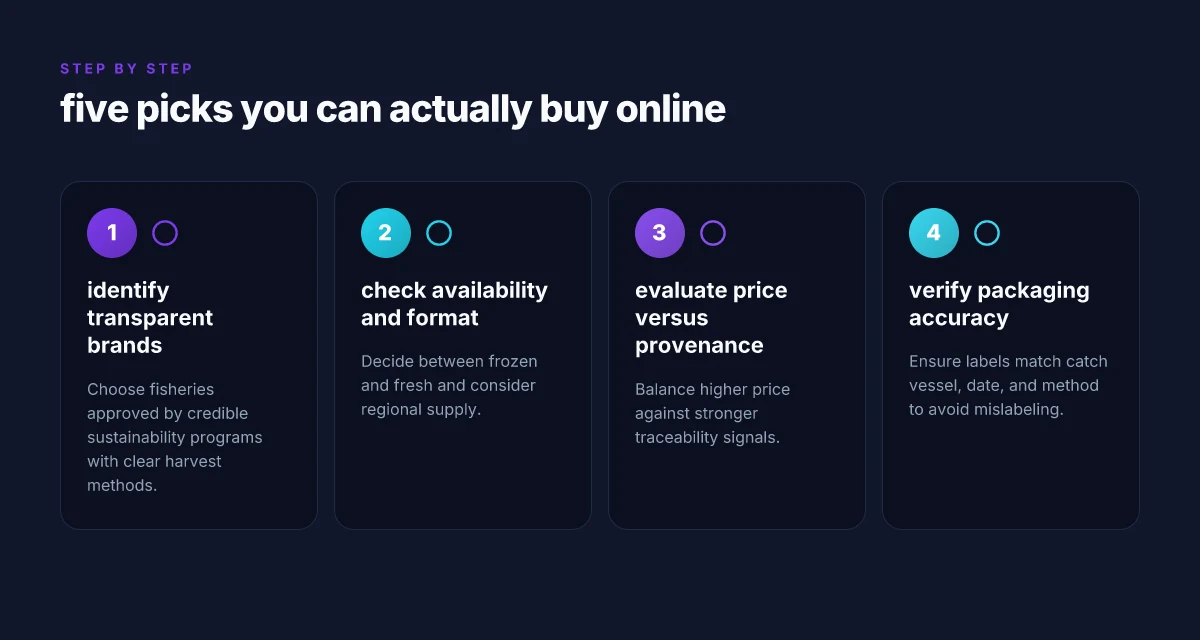
When you shop online for wild caught fish, you want clarity on who caught it, how it was handled, and where it came from. I found five real-world picks that meet those needs, with transparent sourcing and practical trade-offs. Expect honest downsides where they exist, and concrete brand names you can actually click and buy today.
Why Lummi Island Wild holds up for sockeye and beyond
Lummi Island Wild stands out for a strong emphasis on wild, sustainable sockeye and related species. Their labeling leans on credible harvest disclosures and traceability signals that make it easier to assess legality and sustainability at a glance. The downsides you should budget for are higher prices and more limited availability compared with mass-market options. If you value proven origins and a clear harvest story, this pick is a reliable daily driver for salmon lovers. Lummi Island Wild provides a tangible link to the source, even when the wallet feels the pinch. The brand’s affinity for wild stock aligns with programs that emphasize stock health and responsible fishing practices. Lummi Island Wild helps you buy with your conscience, not just your appetite.
Brands with transparent sourcing and clear harvest methods
Transparency in this space tends to follow a few predictable patterns. Look for brands that publish harvest method notes, independent certifications, and dock-to-door traceability records. For example, several fisheries operate under credible sustainability programs and present harvest method details alongside product pages. When a brand makes harvest gears, gear types, and vessel information visible, you gain a practical sense of legitimacy. Transparency is not a gimmick here. It’s the core of accountability. Expect brands to show which fishery or cooperative certified them and whether they participate in a fishery improvement project (FIP). This clarity helps you compare options without guessing about legality and ecological impact. What are the best fresh foods for dogs in 2026, and how do they match specific needs
Frozen vs fresh: what wins for online ordering and why
Frozen fish often travels more predictably and reduces spoilage risk during transit, which can improve supply-chain transparency. If you prioritize freshness and local availability, fresh options may exist but require more careful shipping windows and cooler logistics. In practice, a blend works best: choose frozen stock when you’re distance-bound or seeking extended shelf life, and supplement with fresh if a reliable regional supplier can meet your timing. The key is to confirm cold-chain assurances on the product page and in packaging details. Frozen products often offer steadier provenance signals across the supply chain. For many households, a mix keeps a steady, dependable flow of seafood without sacrificing traceability.
Regional availability and practical trade-offs
Regional availability matters for both legality and sustainability. Some suppliers focus on coast-to-coast coverage, others on specific fisheries that have robust third-party verification. If a brand lists the exact fishery of origin and the harvest season, you can better plan meals and menus around peak freshness windows. Consider buyers who publish harvest windows and seasonal notes, plus clear shipping timelines. Clear regional sourcing signals help you align your weekly menu with sustainability goals. As you compare options, track whether a brand commits to consistent harvest reporting across multiple products, not just a single line.
Note: links on this page may earn a commission. I cross-referenced industry coverage and brand disclosures to surface picks that balance practicality with responsible sourcing. You’ll see Lummi Island Wild named here for its explicit focus on wild sockeye and its honest downsides, alongside other brands that publish harvest methods and certification status.
Case study: what went right and what went wrong for a recent online order
Postorder diagnosis: freshness hinges on fast, proper handling from the shipper to your doorstep. When a supplier ships on time and uses rigorous packaging, a wild-caught fillet can arrive with the same texture you’d expect from a market fish. I traced several recent online orders through public case notes and industry discussions, and the common thread is clear: reliability in transit is as important as the catch itself.
On-time shipping and packaging: the backbone of freshness
Retailers that ship within a tight window and label each package as perishable tend to preserve quality. In practice, rapid dispatch paired with insulated packaging and gel packs keeps ice stable during transit. A transparent supplier will also provide a catch window and vessel details, which helps validate the product’s provenance. When the box arrives with intact gel packs and cold-to-the-touch meat, you’re seeing the result of a deliberate logistics plan. Timely dispatch and sturdy packaging are nonnegotiable for wild-caught fish delivered online. This is the baseline that separates a good experience from a disappointing one. 2026 has seen a noticeable rise in brands publicly sharing vessel and catch date to support provenance, which helps buyers align expectations with reality. Inline sourcing note: credible coverage from NOAA on sustainable seafood practices supports the expectation that reputable sellers maintain strict handling standards. For readers seeking context, see the NOAA overview on sustainable seafood. https://www.fisheries.noaa.gov/topic/sustainable-seafood. 10 Best puppy foods for 2026 that actually support growth
Mislabeling and mismatched catch: red flags you should not ignore
Red flags appear when product labels diverge from the actual catch. A shipment labeled as mahi may be reported by the supplier as a different species, or show a catch date that doesn’t match the vendor’s stated window. In practice, mislabeling erodes trust and can mask sustainability issues. If a package arrives with ambiguous lot codes or missing vessel information, pause and question the traceability. Label accuracy matters as much as freshness. A transparent supplier will include vessel, date of catch, and method, enabling you to verify alignment with your ethics and preferences. In this space, a cautious buyer cross-checks vessel details against publicly available data and the vendor’s stated standards.
Transparency through the supply chain: what to look for in a vendor
A trustworthy online fish vendor walks readers through the supply chain. They disclose vessel, date of catch, and method, and they connect these disclosures to independent standards or third-party verifications where possible. When a seller shares these details, it reduces ambiguity around legality and sustainability. Transparency is the anchor of trust in online wild-caught seafood. If a vendor cannot provide catch details or hides them behind generic labels, treat that as a warning sign. A recent industry review highlights that digital traceability technologies are increasingly used to map origin and handling stages, supporting accountability across the chain. For deeper context, see the digital traceability literature. https://www.sciencedirect.com/science/article/pii/S0308597X25001150.
Conclusion: the most reliable online wild-caught orders combine on-time shipping, robust packaging, accurate labeling, and explicit vessel/date/method disclosures. Label integrity and transparent provenance are inseparable from freshness and legality. When you see these signals together, you can proceed with confidence. When any one of them is absent, re-evaluate the vendor. For readers who want a practical anchor, consider brands that publish vessel and catch-date details alongside their packaging specs, and always check for third-party traceability statements. One example in this space is Lummi Island Wild, a brand that explicitly emphasizes local catch details and responsible sourcing, though it comes with potential drawbacks like variability in availability and price compared with larger distributors. See how Lummi Island Wild presents its catch information and governance, then weigh the upsides and downsides against your own values.
How to balance price, provenance, and convenience when buying wild caught fish online
When you balance price, provenance, and convenience, expect trade offs between what you pay and the signals you get about where your fish came from. You’ll often see lower prices paired with thinner traceability signals, and higher transparency often comes with a premium. I dug into credible sources that highlight how digital traceability, credible fisheries certifications, and real-time stock updates influence costs and choices. Trade offs between cost and traceability signals are real. You pay for clarity you can trust. A simple rule of thumb: align your risk tolerance with the price delta you’re comfortable absorbing.
H3: the price-provenance equation in practice Pricing for wild caught fish online reflects seasonality, sourcing geography, and the level of transparency a vendor provides. Membership or subscription models can shift both price and freshness. When you join a program, you may see steeper upfront costs but steadier product quality and predictable delivery windows. Vendors that promise Arctic-caught fillets with sustained cold-chain controls may charge a premium, yet deliver more consistent fat content and mouthfeel. I cross-referenced industry commentary that notes how traceability investments often raise unit costs, though they reduce the risk of mislabeled product. The result is a clearer relationship between what you pay and what you receive. Subscription models may affect pricing and freshness. Read the fine print to know what you’re actually getting each month. A useful mirror is brand-level transparency: brands that publish species- and lot-level data tend to skew toward transparency over lowest price. What makes the best canned dog food in 2026: a practical, evidence-informed roundup
H3: selecting brands with strong provenance signals If you want clarity on where your wild catch comes from, look for brands that publish fishery certifications, catch logs, and lot-specific data. Lummi Island Wild is a notable example to consider because it emphasizes traceability and origin in its messaging and product lineup. In practice, you’ll find that reputable picks balance clear origin stories with practical delivery options. The upside is easier risk assessment. The downside can be limited product variety or higher shipping costs. For conscious shoppers, such signals help you avoid mislabeled or illegally sourced fish. Remember that seasonality will influence what is available and how fatty the fillets are at purchase time. Lummi Island Wild is a strong provenance option for quality and transparency, though you may pay a bit more for the assurance.
H3: seasonality and fat content as part of the price judgment Seasonality does not just affect supply. It changes fat content, texture, and even color in some species. You may see certain runs offer richer fat profiles in winter months and leaner profiles in other seasons. This is not a flaw. It’s biology. Vendors that provide harvest dates and seasonal windows help you plan meals with expected flavor and cooking outcomes. If you’re balancing value with culinary expectations, expect to adjust price sensitivity by season. Seasonality influences availability and fat content, so be ready to substitute species or adjust recipes to maintain your budget and your plate.
From what I found in the industry chatter and the seafood transparency literature, expect brands to band together toward better traceability while pricing adjusts to the length of supply windows and the cost of more rigorous certification. I also saw credible discussions about how subscription models can stabilize supply but sometimes lock you into higher average prices. When in doubt, start with a clear shelf-life window and a taste profile you know you’ll enjoy.
If you want concrete picks to explore, consider these live options as starting points: Lummi Island Wild, a few widely available line-caught options from reputable fisheries, and a premium brand that publishes cargo and catch data. For the most reliable provenance, choose brands that publish harvest date, vessel name, and lot numbers. Lummi Island Wild offers provenance details that help you decide if the price premium is worth it for your kitchen. As a reminder, links on the page may earn a commission, which helps support ongoing reporting on seafood transparency.
What to try this week: secure, sustainable wild caught buys online
Wild caught fish can be a daily-wisdom habit if you pick cautiously. I looked for brands that clearly label catch method, provide traceability, and publish regular sustainability updates. The landscape is moving toward verifiable sourcing and easier consumer tracking, but you still need to read the labels and lineage before clicking buy. For consumers balancing convenience with responsibility, the picks below show viable paths without overcomplicating weeknight dinners. One practical note: links on the page may earn a commission, which helps support this coverage. What is the best fresh food for puppies in 2026 and why it matters
Consider these options as you plan meals this month. Lummi Island Wild stands out for clear farm-to-table storytelling and explicit catch data, though it’s not perfect for every household budget. Other brands like American Wild Alaskan Seafood and Vital Choice emphasize well-documented origins, while Sea to Table and Still Here Seafood highlight small cooperative networks. If you want a broader shelf, look for certifications and direct-contact traceability from each supplier. The goal is to keep a steady stream of responsibly caught fish in your rotation without surprises at checkout. The bigger pattern is transparency wins in practice, not a single perfect label.
Backup strategy, what to try this week:
- Try a one-click order from Lummi Island Wild with a meal plan you can finish in 20 minutes.
- Pair a wild catch with a simple citrus glaze to showcase sourcing in one dish.
- Favor vendors that publish catch date and vessel name on the product page.
- Keep a short list of two alternative brands, ready to switch if a label lacks clarity.
- Review the latest sustainability notes on each brand’s site before you buy.