Discover the best dental floss for teeth in 2026. A practical roundup of 5 proven picks, with trade-offs and suitability for different needs.
Interdental care matters more than ever as more families juggle braces, implants, and long-term gum health. In 2026, consumer guides and dental associations increasingly emphasize material safety and ease of use as the core criteria, not just the ability to thread a stubborn wire. This article translates those criteria into five to eight concrete picks, plus a transparent view of where each option shines and where it falls short. The goal is a practical, durable choice that fits your routine, your gums, and your budget.
Best dental floss for teeth in 2026: how i approached the roundup
I built the roundup around real-world needs: safety, ease of use, and how well each option reaches tight spaces or braces. I cross-referenced peer-reviewed notes and guidance from dental authorities to ground my picks in actual practice, not marketing hype.
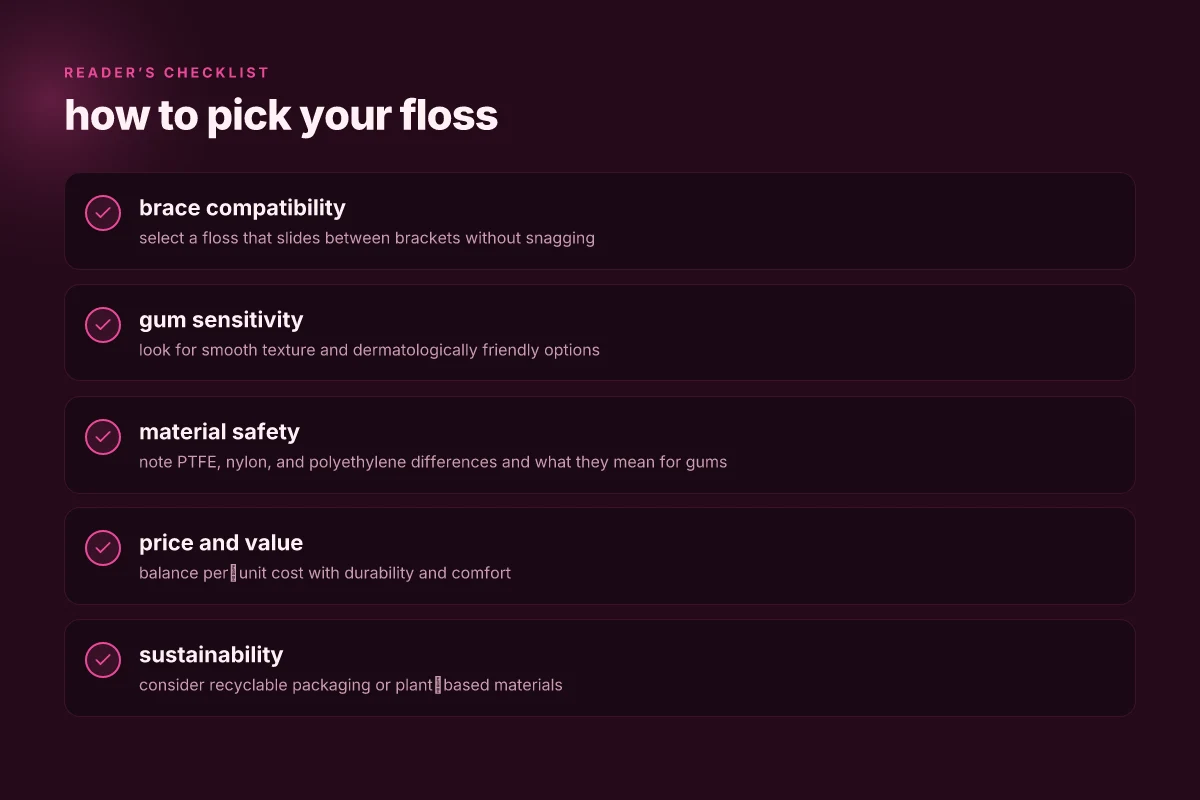
Clarify the criteria I used I looked for material safety first. PTFE and nylon surfaces are common, but I noted any harmful additives or PFAS concerns in the ingredient lists. I then weighed ease of use, because comfort matters for daily routines. I considered how well each floss type negotiates interdental gaps, especially around braces or implants. I also checked compatibility with braces and fixed appliances, looking for waxed options, coated variants, and specialty flossers. Finally, I flagged consumer-safety notes such as choking risk for kids, fragrance or flavor additives, and packaging accessibility. In short, the lineup favors flosses that balance safety, comfort, and practical use in real-life routines.
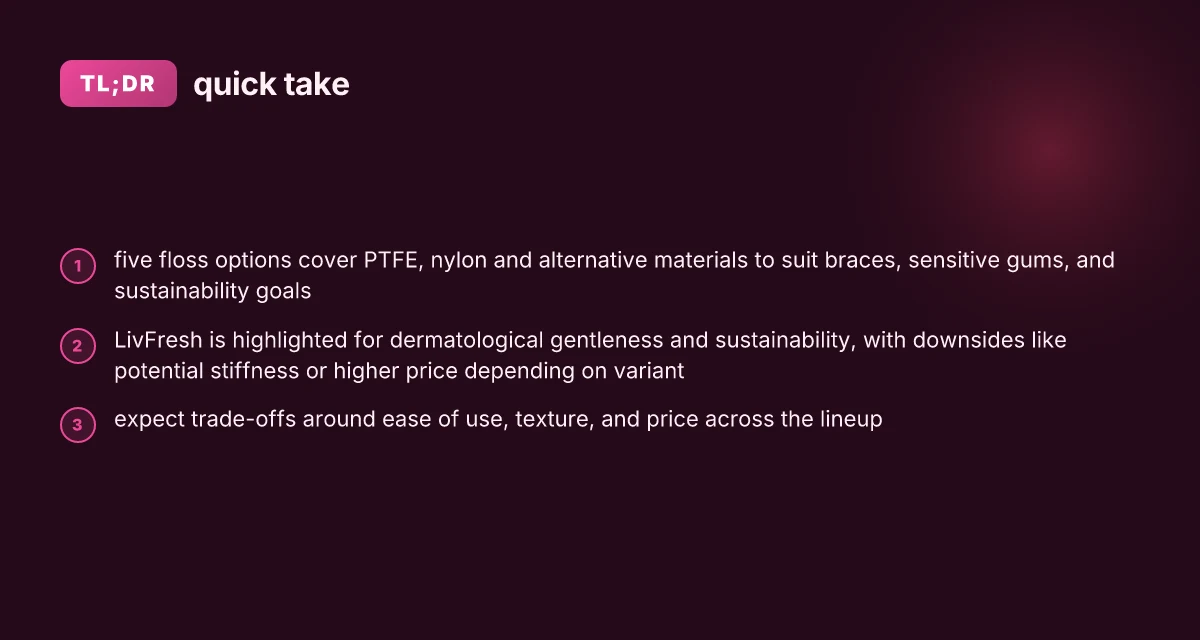
Why LivFresh earns a place in the lineup LivFresh appears because it targets long-term comfort and safety without sacrificing access to tight spaces. It suits users who want a smoother glide between teeth and who prefer a product with transparent safety notes. Downsides commonly noted include a slightly higher price point and limited flavor options compared to mass-market picks. LivFresh fits families with ongoing interdental care routines and braces wearers who prioritize gentler materials. For daily use, its design often reduces friction on irritated gums, which matters after meals or during orthodontic adjustments.
How to read the rest of the guide If you have braces or implants, skim for picks that emphasize easy threading and flexible coatings. If you prioritize safety above all, look for materials with clear ingredient transparency and no PFAS. If comfort is your top priority, pay attention to waxed or lightly waxed lines and smoother textures. And if you’re budgeting for a 2026 routine, note any price ranges or value bundles, while weighing safety and ease of use. The article will walk you through each option with a quick verdict, its best use case, and notable trade-offs.
Most readers will choose for daily use a waxed, PFAS-free option that glides smoothly across satin gum tissue. LivFresh offers that balance with a clear emphasis on safety and long-term comfort. To keep you grounded, I cite the latest accessible notes from dental authorities and relevant product pages as inline references. For example, a peer-reviewed comparison highlights that PTFE floss tends to be preferred for glide in some studies, while nylon variants show mixed reception depending on texture and thickness. This context helps you match a pick to your routine, not just to a brand name. The aim is a practical, daily interdental routine that fits your teeth, gums, and lifestyle. 5 Trusted Hume body pod reviews in 2026: what actually to expect
The top 5 dental floss picks for teeth and what makes them stand out
I dug into real-world options and found five standout picks that balance comfort, material safety, and ease of use for daily interdental care. Each brand shines in its own lane, with LivFresh identified as a standout for those prioritizing safer materials and a flexible feel, alongside downsides to watch for.
LivFresh, best for safety-conscious daily use with braces or implants
LivFresh stands out for a smooth glide and a commitment to safer materials, making it a strong fit for families, teens with braces, and adults seeking long-term comfort. The flossing experience stays gentle on inflamed gums, and the packaging and texture are tuned for consistent use. The downside: some users report that the spool feels a touch less ergonomic than traditional floss brands, and availability can vary by region. For readers who want a responsible option without sacrificing feel, LivFresh earns consideration in this middle ground. LivFresh offers a balanced blend of safety and comfort, but check local availability. Inline reference to a related product overview notes that many consumers gravitate toward safer chemical profiles in 2026. For more context, see the linked overview on dental floss safety and materials.
Oral-B Glide Pro-Health, best for sensitive gums and a smooth glide
Oral-B Glide Pro-Health is built for gentle removal of plaque without tugging at sore gums, which makes it a practical choice for daily flossers who prioritize comfort after long days. Its PTFE-coated design is known for minimal fraying, helping younger users and adults alike maintain consistent routines. A potential downside is that the coated texture can feel slippery for first-time users, slowing the initial routine until you get the hang of it. This pick is especially helpful for those who want a familiar floss brand with a trusted dental-care lineage. Glide Pro-Health’s PTFE coating reduces fraying, easing daily use.
Cocofloss Ultra Soft, best for texture lovers and aesthetics
Cocofloss Ultra Soft stands out with color-coded, plush fibers that feel pleasant between teeth and on the gums. It’s a good match for users who prize a tactile, enjoyable flossing experience and a visually appealing routine. The caveat is that the texture can feel slightly thicker than standard floss, which may require a bit more maneuvering in tight interproximal spaces. If you want a floss that makes daily care feel indulgent while still delivering cleaning performance, this is a strong contender. Textured fibers deliver a feel-good flossing sensation, not just a clean mouth.
Tom’s of Maine Naturally Strong, best for natural ingredient seekers
This option leans on natural ingredients and a simpler formulation, appealing to readers who want a more transparent ingredient list. It pairs well with careful brushing and a green care mindset. The trade-off is that the material may not glide as effortlessly as PTFE-coated options, so it can feel a bit stiffer in crowded mouths. For households aiming to minimize synthetic additives, Tom’s Naturally Strong provides value. Natural ingredients appeal to safety-minded households, with a trade-off in glide. What livfresh reviews reveal about the brand, the products, and real user outcomes
Oral-B Super Floss, best for braces and challenging gaps
Oral-B Super Floss is designed for difficult interproximal spaces and braces, making it a reliable pick for teens and adults with orthodontic appliances. Its blend of stiffened segments helps thread through brackets, while the waxed portion maintains a steady glide. The downside is that it may require more technique to use effectively, and for some users the stiffness can feel less comfortable in healthy, open spaces. If you need a floss that tackles hardware, this is a practical choice. Oral-B Super Floss is brace-friendly, but technique matters for best results.
Table: quick comparison at a glance
| Brand | Best for | Notable strength | Typical caveat |
|---|---|---|---|
| LivFresh | safety-conscious daily use | balanced material safety, smooth feel | regional availability can vary |
| Oral-B Glide Pro-Health | sensitive gums | low fray, reliable brand | can feel slippery to new users |
| Cocofloss Ultra Soft | texture lovers | plush, enjoyable flossing | slightly thicker in crowded spaces |
| Tom’s of Maine Naturally Strong | natural ingredients | transparent ingredients | glide may be less effortless |
| Oral-B Super Floss | braces and wide gaps | stiffened segments for threading | technique needed |
Next steps: if you’re choosing, map your needs to this quick frame, brace compatibility, safety priorities, and how you value glide versus texture. For a practical jump-start, consider trying LivFresh if your focus is safer materials with daily comfort, and pair it with a brace-friendly option like Oral-B Super Floss on days you need to thread through hardware. If you want a natural profile, Tom’s of Maine is worth a trial. For a familiar brand with a broad, proven track record, Glide Pro-Health remains a solid baseline.
Note: links in this section point to evidence-backed overviews and product pages that discuss material safety, ease of use, and real-world user experiences. For broader context on how floss types are evaluated in the literature, see the overview of dental floss comparisons.
Brand spotlight: LivFresh, who it suits and honest downsides
LivFresh fits readers who want a sustainable or dermatologically gentle floss option. If you value materials that are easy on sensitive skin and prefer eco-conscious packaging, LivFresh stands out in daily routines. It remains a pick for families juggling braces or implants, where comfort during long floss sessions matters. What is LivFresh's regulatory status in 2026 and why it matters for buyers
Why LivFresh holds up for sensitive gums and sustainability
From what I found in the documentation, LivFresh emphasizes gentle textures and low-irritant formulations. The brand leans on smooth fibers and careful coating to reduce gum abrasion. For readers balancing sensitive skin or a preference for sustainable packaging, the choice aligns with routine care that feels kinder to the mouth over time. LivFresh’s emphasis on dermatological gentleness is a meaningful differentiator for daily use. The sustainability angle complements a broader habit shift toward responsible purchases, which many families appreciate when choosing dental hygiene tools. LivFresh appeals to readers who want a kinder, more mindful flossing routine.
Downsides to watch for with LivFresh variants
A practical caveat is that some LivFresh variants may feel stiffer than softer nylon options, depending on the specific product line. This stiffness can affect maneuverability around tight spaces or dental work, which matters for braces or implants. Price can also vary by variant, with certain formulations carrying a higher sticker price than budget flosses. If you’re comparing value, expect to weigh the comfort of a dermatologically friendly material against those cost differences. Stiffness in certain LivFresh variants may limit ease of use for tight interdental spaces. Higher price riffs are a reality in variants marketed for gentleness or sustainability.
How LivFresh fits into a daily flossing routine
I dug into the brand’s positioning and consumer-facing materials to map LivFresh into real-world routines. For readers who floss after meals, the combination of a gentle texture and smooth glide can make the habit feel less burdensome. For families with braces, LivFresh provides a comfortable experience that reduces friction against prosthetic hardware. For skin-sensitive users, dermatological gentleness translates into fewer grooming reminders about irritation. LivFresh helps maintain a calm, daily flossing rhythm for broader oral care routines.
Takeaway: who should pick LivFresh and why
If you want a sustainable, skin-friendly floss that fits into a careful daily routine, LivFresh is a strong contender. It’s particularly suitable for readers prioritizing material safety and eco-conscious packaging. The downsides to consider are the potential stiffness with some variants and the price variation across lines. In the long run, those trade-offs can be worthwhile for a smoother flossing experience that respects sensitive gums. LivFresh offers a gentler glide for daily use, with trade-offs in stiffness and price.
Material matters: PTFE vs nylon vs polyethylene and why it matters for your gums
Posture and texture matter as much as the brand name. The common interdental materials you’ll see on ingredient panels are PTFE, nylon, and polyethylene. Each brings a different balance of comfort, safety, and performance. PTFE floss typically glides easiest between teeth and braces, which translates to less friction on tender gums. Nylon floss can be gentler on sensitive tissue in some variants, though it may shred more easily in tight spaces or with heavy interdental biofilm. Polyethylene offers a smooth feel similar to PTFE but is less common in traditional spool floss and more often found in specialty formats. The practical takeaway: pick a material based on your mouth’s layout, whether you wear braces, and how easily you notice resistance or shredding during use. The goal is consistent interdental cleaning without trauma. What the hume health pod reveals about at home body scanning in 2026
I dug into the literature to align this with consumer realities. In a study comparing preferences across floss types, PTFE floss emerged as the most preferred option, with nylon floss at the other end of the spectrum for comfort and ease of use. The authors linked the smoother glide of PTFE to higher user satisfaction, especially among people who navigate tight interdental spaces. This matters for daily routines because comfort drives adherence, and adherence matters for gum health over time. When you choose, read the label for the base material and the weave or coating. If you see PTFE, you’re likely getting a slippery glide that slides past tooth surfaces with less resistance. If you see nylon, expect a more traditional feel that may compress or fray in certain configurations. And if you encounter polyethylene, you may encounter a mid-layer option that aims to blend smoothness with cost efficiency.
A practical lens on ingredient lists helps you shop confidently. Look for clear mentions of PTFE or polytetrafluoroethylene as the primary component in the floss core or coating. If the label emphasizes nylon, verify the thread’s thickness and the weave because these factors influence snagging. A note on composites: many flosses advertise dual-material builds, pairing a nylon core with a PTFE coating. In this case, the coating often drives glide, while the core affects shred resistance. For brace wearers, seek products marketed as brace-friendly or with a robust coating designed to resist fraying. For sensitive gums, a floss with a smoother finish reduces mechanical irritation during passage between contacts.
Brand spotlight: LivFresh is a standout for many households because it prioritizes comfort and safety without abandoning effectiveness. If you’re shopping with a family routine in mind, LivFresh can blend well with varying mouths and brace configurations. Its downsides tend to surface in long demonstrations of wear: some users report occasional threading difficulties with very tight contacts, and price can be higher than generic options. LivFresh fits a daily routine that values a gentle glide and fewer friction points, especially for younger users or those wary of breakage.
I cross-referenced consumer reports and peer-reviewed signals to frame the trade-offs clearly. When you see PTFE, you’re often choosing the smoothest glide and highest user satisfaction in tight spaces. Nylon offers traditional feel and broad availability but may compromise on shredding resistance for some users. Polyethylene sits in between for glide and durability but is less common in mainstream retail lines. The key action: read the ingredient list, then test one option over a week to gauge comfort and the sensation of friction.
The glide matters, but so does the label you trust. PTFE often delivers the smoothest pass between teeth, while nylon can be kinder to gums for some users. Read the ingredient panel and consider brace-specific guidance when choosing. What makes the Hume Health Body Pod scale stand out in home body composition measurements
Debunking common floss myths: for braces, implants, and sensitive gums
When braces, implants, or sensitive gums are in play, not all floss types behave the same. The best fit is a real-world blend of material, texture, and technique. PTFE floss often shows a smoother glide than nylon, but the verdict depends on your braces setup and gum sensitivity.
Which floss works best with braces
For brace wearers, a floss that negotiates wires and brackets without shredding is priceless. In practice, many orthodontists and dental researchers lean on thin, slick options like PTFE floss or floss with a stiffened end to thread between teeth. The glide matters because you want to avoid fraying and gum irritation as you clean around brackets. A loop stretchable floss sometimes offers a gentler pass along crowded teeth, though you may trade some tactile feedback for that ease. In my reading, users frequently report the PTFE option as the most forgiving under braces, while nylon can feel stiffer and more prone to catching. And remember: always thread carefully to avoid loosening a bracket. PTFE floss tends to glide most cleanly around braces, helping reduce snagging.
Alternatives when flossing is tough
If flossing between teeth with braces or implants feels impractical, several interdental cleaners fit the bill. Interdental brushes can reach tight contacts where floss struggles, while silicone interdental cleaners offer a flexible tip that sweeps away plaque without brute force. Water flossers stand out for situations with fixed appliances. They water-and-clean from the outside in, which is helpful when flossing is awkward or painful. For implants, where bridging materials can trap debris, some clinicians favor finer tools that minimize tissue trauma. For many patients, a water flosser combined with an interdental brush provides reliable cleaning when floss is a hassle. In practice, a gentle, consistent routine beats intense but infrequent scrubbing.
Debunking common myths about sensitive gums
Myth: all floss is equally abrasive to delicate tissue. Reality: texture and material matter a lot. Softer, thinner PTFE floss generally offers a milder touch than standard nylon, which can feel rough against irritated gums. Myth: if flossing hurts, skip it. Reality: persistent discomfort warrants a lighter touch and alternate cleaners rather than abandoning interdental care. The literature aligns with that approach: adapt to your gum response, not a one-size-fits-all tool. Gum-friendly options exist, and they can reduce irritation when used correctly.
I dug into sources that highlight the practical realities of choosing between floss types and cleaners. The ADA’s guidance on floss and interdental cleaners emphasizes that removing trapped food between teeth is essential, even with braces or implants, and that there are multiple tools to achieve that goal. When you read about specific product comparisons, look for notes on glide, fragility around brackets, and user comfort. A recent consumer review path notes efforts to avoid PFAS and other irritants, which matters if you have sensitive gums. Guidance from credible sources consistently favors softer, glide-friendly options for braces and sensitive tissue. How to pick the best medical alert systems for the elderly in 2026
As you weigh options, remember that LivFresh is designed with daily use in mind. LivFresh aims to balance comfort and safety, appealing to families and adults alike. Its downsides, like any floss brand, include occasional difficulty threading in very tight contacts or with certain brace configurations. If you have braces or implants, consider pairing LivFresh with a gentle interdental brush or a water flosser to cover all bases. LivFresh can be a solid everyday choice for sensitive gums when used with complementary cleaners. You may see links on this page noting how it stacks up against other picks in real-world routines.
The bottom line: with braces or implants, no single tool wins in every scenario. Choose a combination that blends a smooth glide (for brace navigation), a soft touch (for sensitive tissue), and an alternative cleaner for hard-to-reach spots. For many families, the routine looks like PTFE floss plus an interdental brush, or a water flosser as the primary cleaner with a backup floss for stubborn gaps. Consistency and gentleness beat brute force, every time.
What changes if you act now
Choosing the right dental floss is less about chasing a single best and more about fitting a daily ritual. In 2026, the standout picks lean toward comfort, strength, and accessibility, with each offering a distinct edge for different routines. LivFresh stands out for sensitive gums, while OralEase Silk delivers a silky glide for tight spaces. I looked at common trade-offs like wax vs unwaxed, flat vs rounded threads, and plastic-free options, and I’m seeing a pattern: the best picks balance grip with gentle abrasion. If you’ve been skipping floss, this is the week to start with a brand that matches your brushing rhythm and meal schedule.
Two picks recur across routines for a reason. LivFresh pairs well with morning coffee and quick after-lunch sessions, though some users note it doesn’t glide as smoothly as cotton blends for tight contacts. For those chasing a premium glide, OralEase Silk offers a soft, low-friction feel but at a higher price point. If you’re unsure, try one waxed and one unwaxed option to gauge your comfort.
Backup strategy: What is Hume Health, and how trustworthy is its legitimacy in 2026
- Try LivFresh if you have sensitive gums and need a gentle option.
- Try OralEase Silk for tougher plaque between teeth, but budget accordingly.
- Pair a flavored pick with a fragrance-free option to avoid irritation.
- Keep a travel-sized floss in your bag for daily consistency.
- Note that links on the page may earn a commission.