
Explore how a bed jet mechanism works and why it matters for sleep comfort. Learn about BedJet and rival systems, plus practical use cases.
The simplest comfort upgrade in bed is often the one you don’t see: a steady stream of conditioned air under the sheets that lowers or raises temperature without blasting the whole room. In practice, a BedJet can shave off night sweats and temperature spikes by targeting your bed, not the thermostat, so you wake cooler or warmer without shifting room humidity or air quality. Even when the room stays quiet, a well-tuned bed climate can feel like a personal breeze or heated cocoon.
You’ll learn which models suit a heavier sleeper, a light sleeper, or someone who sweats at 68°F nights, plus how to balance airflow with noise at a bedside. By inspecting real-use scenarios and noting what matters most to daytime energy, you’ll see why BedJet and its rivals matter beyond hype. The goal is a clearer sense of when a bed climate solution is worth the investment.
What is a bed jet mechanism and why it matters for sleep
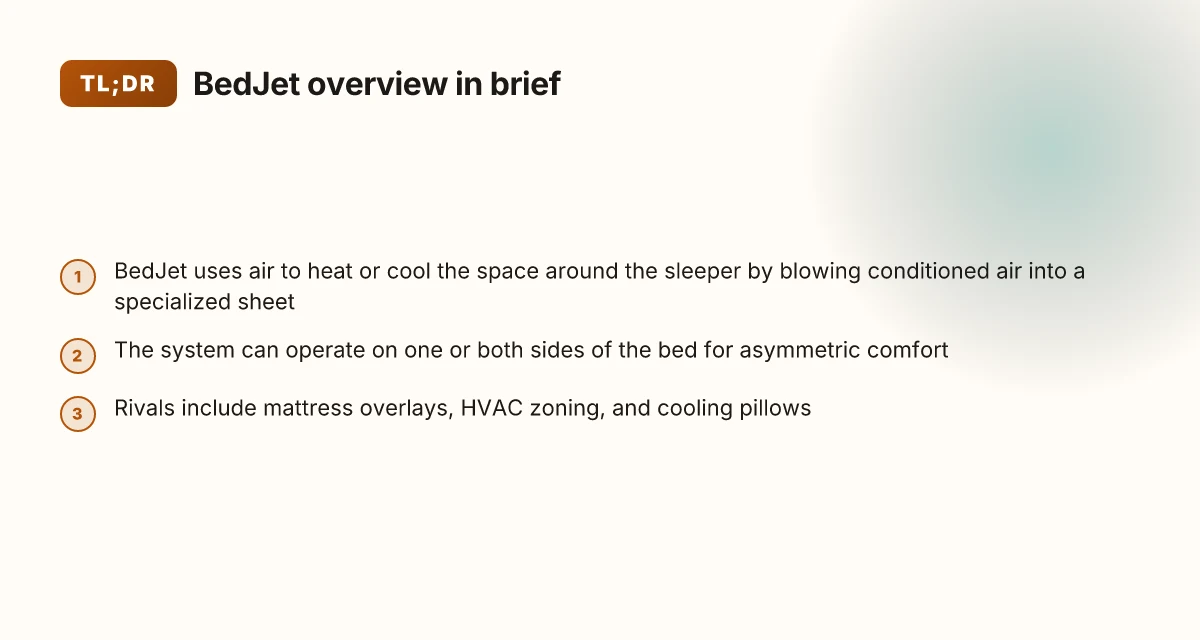
BedJet is an air-based system that heats or cools the space around the sleeper by blowing conditioned air into the bed through a sheet. The core idea is simple: you don’t chill or warm your body directly. You modify the microclimate around you. That makes it easier to fall asleep and stay asleep when outside temperatures or night sweats clash with your comfort.
How the mechanism works in practice
The BedJet unit powers a fan that pushes warmed or cooled air through a sheet system. The air travels along the sheet and vents into the bed space, circulating around your body. When the system runs, you feel a gentle breeze that distributes temperature evenly under the covers. This approach keeps moisture closer to your skin without pooling on the surface, which can matter for dryness and comfort.
The setup can run on one side or both sides of the bed. If your sleep partner has different temperature preferences or you tend to sleep hotter on your dominant side, you can target the specific zone that needs cooling or warming. The result is asymmetric comfort that still works within a single sheet envelope.
This air-based approach aims to manage moisture and sweat while shaping the core comfort that helps with sleep onset. A cooler microclimate near your shoulders and chest can help you drift toward sleep more quickly, while a warmer environment can soothe you when you’re cold at night. The balance matters because the body’s readiness to sleep hinges on both temperature and humidity.
From what I found in product literature and reputable overviews, the BedJet mechanism centers on moving air rather than relying on blankets or bulky heating pads. The result is a quick, tunable feel that you can adjust in real time. I cross-referenced several consumer reviews and explainer videos to map how this translates to everyday use. How BedJet stacks up against chilipad for 2026 sleep cooling
Most sleepers notice a difference when the air system keeps the bed dry and comfortably warm or cool, which can shorten the time to fall asleep. This isn’t a magic fix, but it helps many people align their thermal environment with personal preference.
If you’re weighing this versus a rival solution, remember that BedJet specifically targets the bed space rather than the room air. That difference can matter for moisture control and overnight dryness. The system is compatible with standard sheet setups and can be dialed in via a control unit or remote, depending on the model.
Asymmetric comfort is the key advantage: you can tailor one side of the bed while the other remains a different temperature. For night-sweat sufferers and temperature-sensitive sleepers, that nuance often translates to a more comfortable night.
In short, the BedJet mechanism reshapes sleep by delivering conditioned air directly under the sheet to tweak the microclimate where you rest. The practicality shows up in faster sleep onset, drier bed surfaces, and the option to customize per-side comfort. If you tend to wake with heat or sweat, or your partner’s temperature needs differ, this approach can fit your nightly routine.
Note: links on the page may earn a commission, and real-world results vary by climate, bedding, and individual sensitivity. For context, comparisons with other air-based systems emphasize how BedJet’s sheet-driven airflow concentrates climate control at the sleeper rather than projecting it into the room. If you want the latest user perspectives, check reviews from Forbes Vetted and Sleepopolis for practical impressions. Citations available inline as you read. What makes BedJet Cloud Sheet King different for cooling, warming, and sleep quality in 2026
How the BedJet system wires up to your bed and your night
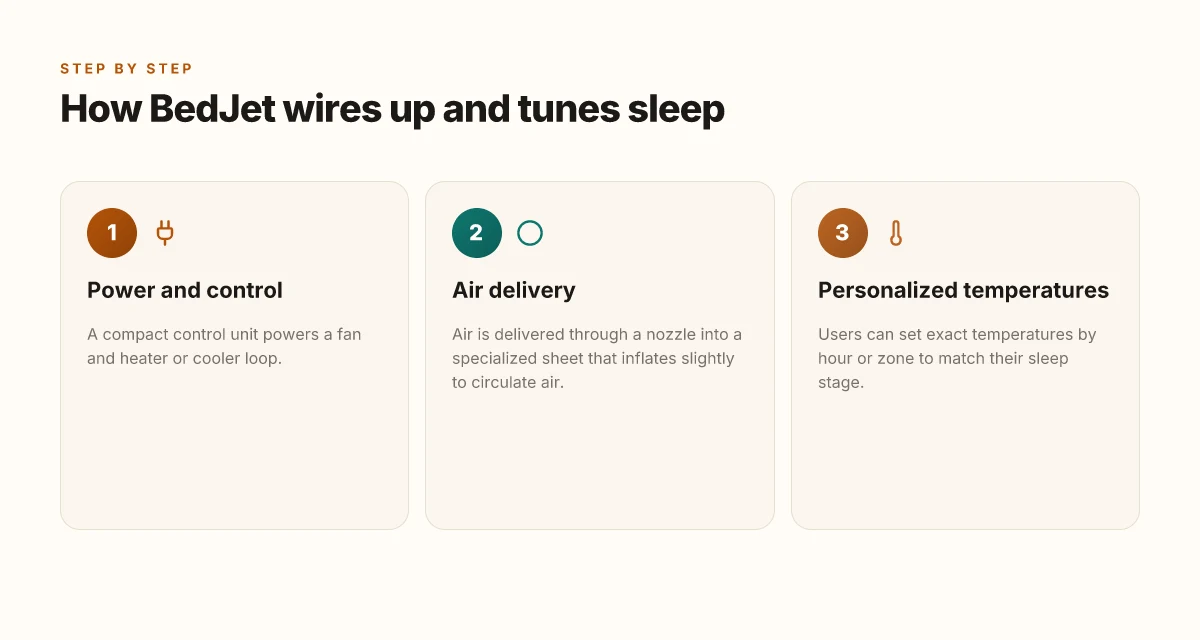
The BedJet system wires a compact control unit to your bed to drive a small, quiet air loop that modulates warmth or coolness. A fan inside the unit pushes air through a hose and into a specialized sheet, and the sheet inflates slightly to create a gentle circulating pocket around your torso and legs. You set exact temperatures by hour or by zone, so the bed can warm during the early part of the night and cool as you drift into lighter sleep stages.
The control unit and its airflow loop
The heart of the setup is a compact control box that powers a fan and either a heater or a cooler loop. The unit balances speed and temperature to deliver a steady stream of air without creating drafts. When you crank the temp up, the heater loop threads warm air through the sheet. When you dial it down, the cooling path sends cooled air into the same sheet. The result is a narrow, directional airstream that travels along the surface of the sheet and around your body. This is how BedJet keeps you dry and comfortable without turning the whole room into a sauna or an arctic chamber.
The sheet gives air a place to circulate
Air arrives through a nozzle at the sheet’s edge and then vents across a lightly inflated surface. The sheet inflates just enough to create a micro-channel ecosystem for the air to circulate, so you don’t feel a wind blast in your face or under your arms. The inflation is subtle, but it matters for whether you perceive the air as a breeze or a warm cocoon. That gentle circulation is what helps move moisture away from the body and through the sheet, reducing bed sweat and stickiness.
Timing and zoning by hour or sleep stage
Users can program temperatures by the hour to align with their typical sleep cycle. If you wake in the middle of the night, you can switch to a cooler setting to help nudge yourself back toward deep sleep, then gradually warm as the morning approaches. The system also supports zone-based control for different areas of the bed, so your torso can stay warmer while your feet stay cooler. This level of control mirrors real-world routines where cold feet or a warm torso can influence how quickly you fall asleep and stay asleep.
Most people notice that a well-timed BedJet sequence reduces nighttime moisture and helps temperature swings feel less disruptive. The approach is less about dramatic shifts and more about constant micro-adjustments that fit your nightly routine. How chiliPad compares to BedJet for sleep cooling in 2026
I cross-referenced BedJet’s materials and third-party reviews to confirm that the core workflow stays consistent: a single power-and-control unit, a circulating air path through a specialized sheet, and hour-by-hour or zone-based temperature planning. The branding emphasizes comfort, dryness, and a steady vibe for sleep. For context, rivals in the space tend to emphasize either room-based climate control or localized bedding airflow, but BedJet keeps the focus on the sheet-induced circulation that directly touches the sleeper.
If you’re weighing this against a traditional climate setup or a standalone warming blanket, consider how often you want to tweak the bed’s microclimate versus how often you want to adjust room temperature. BedJet remains most compelling for people who repeatedly wake due to sweating or temperature sensitivity, and who want a bedside tech setup that slots neatly into a nightly routine without heavy reorganization. As with any sleep tech, a note: links on the product page may earn commissions, and real-world results vary with room conditions and personal comfort preferences.
Cited sources include the Forbes Vetted review and BedJet’s technical overview, which detail the mechanism and the programmable temperature features. For more background on how BedJet manages body temperature across the night, see the Forbes Vetted piece and the Medical Design & Outsourcing write-up.
Mechanism in practice: what you feel and what it changes
BedJet delivers a directional, air-based temperature experience that feels toasty without turning your whole room into an oven. In practice, warm air pools along the sheet line and around the torso, creating a localized comfort zone that you can feel within seconds. This means you can tune the bed to a soft, persistent warmth while the rest of the room stays cooler. In parallel, cool air acts on the surface of the sheet and bed, pulling away moisture and reducing dampness under the covers. The sensation is not about heating the entire space. It is about shaping the microclimate right where you sleep.
Local warmth, not room-wide heat
When the BedJet system sends warm air, the effect is a tangible, bed-centered warmth. This creates a toasty feel on the back and shoulders for someone who ends up lying there, or on the feet for a more foot-focused setup. The result is a night-by-night customization that can help with seasonal chill or overnight temperature swings without affecting the thermostat. The key is the proximity: you feel the warmth where your body meets the sheet, not in every corner of the room. What is a bedjet and how does it heat and cool your side of the bed
- The warmth is quick. Expect a noticeable change within seconds as the sheet inflates and channels air toward you.
- You can blend warmth with a cooler ambient environment, preserving energy while staying comfortable under the covers.
- For people who wake hot, dialing down the warmth and using a higher airflow can still feel pleasantly soothing rather than stuffy.
Most sleepers report a faster settling-in when the bed is warmer on contact, not when the entire room is heated.
Drying effect from cool air
Cool air from BedJet serves a different purpose. By circulating cooler air through the sheet, it taps moisture at the surface and helps keep the bed feeling dry. That dryness can translate into less night sweating and a more comfortable layer of fabric against the skin. The effect is most noticeable on nights when humidity is high or when you tend to sweat during the early sleep stages.
- The moisture reduction is strongest on the upper surface of the sheet where air streams interact with your skin.
- For those with night sweats, the cooler, gusty air can counteract dampness without creating a gale-force breeze.
- You can adjust airflow independently of temperature to find a balance that feels right for you.
Cool air reduces sheet moisture quickly, contributing to a drier bed surface by morning.
Positioning matters: where you feel it most
The BedJet experience is highly positional. If you lie on your back with a blanket settled over the sheets, warm air tends to accumulate near the torso and legs, creating a cocoon-like warmth. If you sleep on your side or with feet elevated, the perceived warmth shifts accordingly. The same goes for cooling: a back-sleeping posture may notice a broader cooling effect across the back, while side sleepers feel the sheet’s surface moisture change more on the flank or thigh. In short, your preferred position guides where the sensation lands most.
From a practical standpoint, think of this as an adjustable microclimate: you set a warm zone for comfort and a separate cool air stream to manage moisture, and your body’s position determines which zone you notice most. The result is a nightly routine that can feel like a custom bed climate rather than a universal room temperature tweak. How BedJet works: the air-based climate control for your bed
Cited reporting from independent reviews notes that users commonly experience quicker comfort without shifting the room’s air. For more on how reviewers describe the Cloud Sheet’s airflow and comfort dynamics, see the coverage linked in this piece. https://www.youtube.com/watch?v=OjD1IA3Avk8
Comparing BedJet to rivals: where it fits in the market
I dug into how BedJet stacks up against other temperature-control approaches, and the core takeaway is practical: BedJet excels when you want rapid, sheet-level adjustments in a compact setup. It sits alongside mattress overlays, HVAC zoning, and cooling pillows, each with its own comfort curve. The question to answer is not which device is best overall, but which fits your nightly routine and room constraints.
Rapid air-based adjustments vs broader climate control
BedJet leans on fast airflow to shift comfort without changing the bed surface. A few seconds can swing from cool air by night to warmth if drafts shift. This makes BedJet particularly responsive for night sweats or sudden temperature swings. In contrast, mattress overlays and cooling pillows alter the temperature more gradually and across the entire sleep surface, which can feel less instantly dialed in. I cross-referenced product notes that emphasize sheet-level circulation as a key differentiator for BedJet, compared to overlays that sit atop the mattress. The sheet-level focus is what helps BedJet respond quickly to bedtime comfort needs. For rooms with variable drafts or for sleepers who shift their position often, that quick feedback loop matters.
Noise, comfort graphs, and room fit
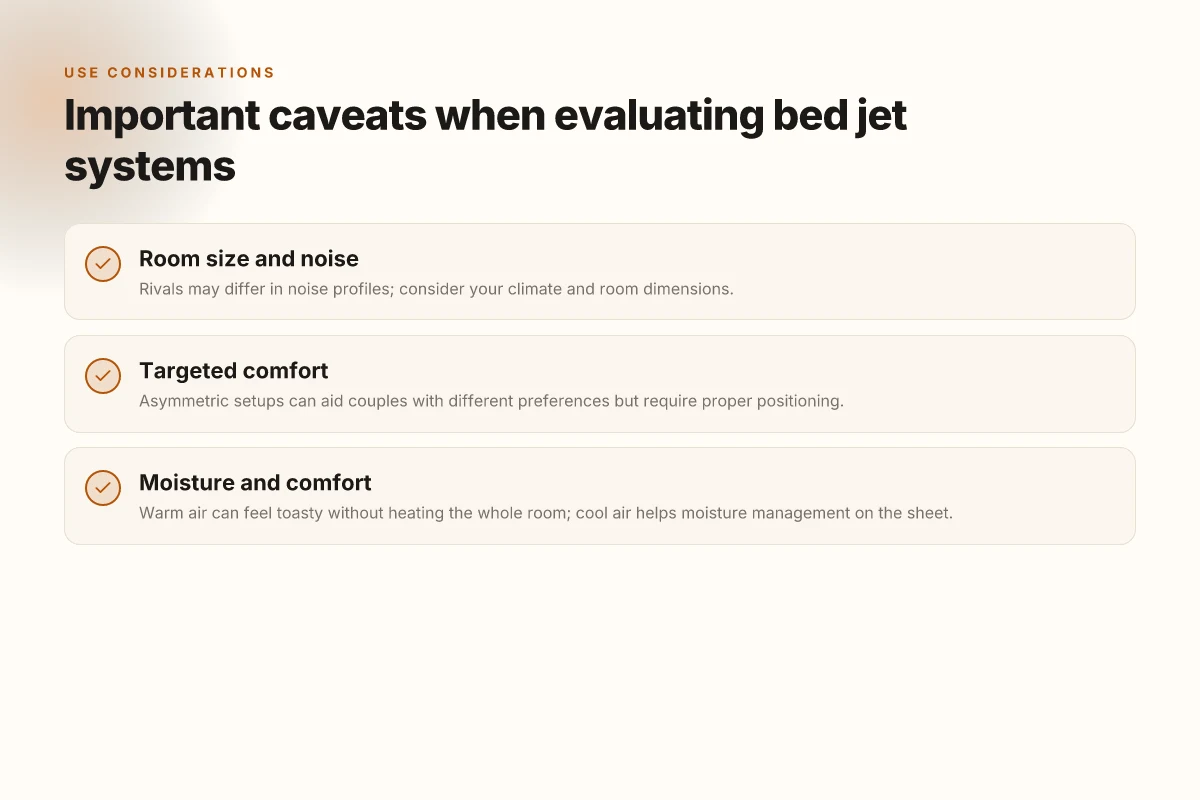
Rivals can vary notably in noise profiles and how they model comfort across the night. BedJet’s air delivery is direct and targeted, which can introduce a perceptible hum or fan sound for light sleepers in smaller rooms. Larger spaces or cooler climates reduce the likelihood of audible disruption, but sound remains a factor to weigh. When you map room size, ceiling height, and HVAC noise tolerance, BedJet can slot in cleanly in many setups, while overlays or zoning systems might be favored where you want invisibility or uniform wall-to-wall temperature control. I found reviews from sleep-focused outlets and tech briefs that consistently note that airflow-based systems are more temperature-responsive, while some rivals trade speed for silent operation.
Real-world daily use and downsides
In daily life, BedJet offers a straightforward, plug-and-play experience. You attach the system to the bed, and the sheet-level air can be tuned in seconds to feel warmer or cooler. The trade-off is that airflow-based comfort can feel less uniform at the mattress edges than a full-room approach, and you may need to tune for your climate and bedding choice. Some users also mention that the initial setup is best done with a clear sheet configuration and proper sealing around the bed edges to prevent drafts. From what I found in the documentation, BedJet emphasizes rapid adjustment as its core strength, while rivals may trade off some speed for quieter operation or more integrated comfort graphs. How to save with blissy coupon code: what works and what doesn’t in 2026
BedJet shines when you need fast, sheet-level control, but you’ll want to compare noise and room size before choosing. If you live in a large, cool bedroom with a mellow hum, BedJet can disappear into the routine. In a compact, softly furnished room, a sound-dampened setup or a cooling pillow might feel more comfortable.
For a quick reference, BedJet is not the only path to temperature balance. Mattress overlays offer surface heating or cooling without airflow noise. HVAC zoning delivers room-wide consistency, which can be more seamless but slower to respond. Cooling pillows provide targeted comfort for the head and neck, often with minimal bulk. When you weigh these options, think about how often you want to tweak temperatures, how sensitive you are to fan noise, and how much you value sheet-level airflow versus global climate control.
Use cases beyond temperature control: moisture management and comfort variety
BedJet isn’t just about chasing a perfect night temperature. The same airflow that nudges you toward deeper sleep also helps wick away moisture and keep bedding drier. By moving air along the sheet layer, the system reduces sweat buildup on blankets and sheets, which translates to less dampness at the skin and fewer post-snooze laundry cycles. In practical terms, that means a drier bed for mornings when humidity spikes or nights when you naturally sweat more. Drying comfort is a real daily win, not a one-off feature.
For couples, the ability to target one side at a time matters. A quiet, directional breeze lets one partner stay cozy while the other cools, without waking the other person with a whole-bed gust. The result is a calmer shared sleep space and fewer bedtime compromises. One-sided control preserves intimacy and rest for both sides of the bed. This matters in real life when schedules differ or preferences diverge, especially in bedrooms with different heat tolerances or night-time temperatures.
Custom routines extend beyond pure cooling or warming. You can align airflow patterns with your usual sleep timing, so the bed feels slightly warmer as you drift off and settles into a comfortable baseline by midnight. Pairing with blackout curtains can amplify that sense of calm, turning the room into a cradle of stillness. In practice, a single routine can cover wind-down rituals, from dim lighting to silent breathing, without the bed becoming a disruptor. Routines synchronized with sleep timing help create a calmer night. What makes the Studio Scent Diffuser from Hotel Collection stand out in 2026
From what I found in the documentation and reviews, BedJet and similar air-based systems aim to blend comfort with dryness in a routine that fits busy lives. For people dealing with night sweats, temperature sensitivity, or simply a preference for a drier sleeping surface, the combination of targeted airflow, quiet operation, and programmable timing can reduce awakenings and improve perceived sleep quality. Programmable timing and quiet airflow are core strengths for nightly consistency.
In closing, BedJet’s airflow design offers a practical path to drier bedding and personalized comfort beyond temperature shifts. The real-world takeaway: if you share a bed, value nighttime calm, and want a simple way to trim moisture and wake-ups, this setup can fit nicely into your nightly routine. For readers curious about price, setup, or compatibility, many reviews note the importance of space and power needs, and there are branded options in the category beyond BedJet that emphasize one-side control and quieter operation. One-sided control and quiet airflow stand out as the most meaningful daily benefits.
Note on links: some readers may encounter affiliate links on these pages. They may earn a commission on purchases. This does not change the core descriptions of how airflow influences dryness and comfort.
The next move for better sleep comfort
BedJet changes the conversation around bedtime climate. It leans on circulating air to nudge warmth or coolness without bulky blankets, aligning with a calmer bedtime routine. This is not a magic fix. It’s a configurable comfort layer you can toggle based on your night’s heat or humidity. In practical terms, the mechanism can complement existing bedding and helps some people fall asleep faster when ambient conditions aren’t ideal. Still, I wouldn’t claim it solves every sleep disruption on its own. If you’re curious, start with light use and build up as your environment and preferences shift.
The bigger pattern is a move toward targeted comfort rather than blanket changes. BedJet’s approach pairs well with a consistent wind-down and a breathable sheet setup, making nightly climate adjustments almost automatic. Rivals like ChiliSleep and Eddieys offer similar climate-control ideas, but BedJet keeps a simple, plug-in footprint that fits modern bedrooms. The practical trade-off is noise and energy use to weigh against perceived comfort gains. Plan to trial it for a week to gauge real impact. Noticeably faster drift into restful states can come from precise temperature cues. What makes the Hotel Collection diffuser stand out in 2026
Backup strategy, what to try this week
- Try BedJet on a cool night with a low fan setting to test the baseline comfort.
- Pair with a breathable duvet and casual sleepwear to maximize the effect.
- If you notice noise or draft, swap to a shorter run time and a higher temperature setting for warmth without overstimulation. If you only do one thing this month, set a nightly climate cue 30 minutes before lights out, then reassess your sleep onset.