
Discover the best sleeping temperature for quality rest in 2026. Easy methods to dial in your ideal range, plus product picks including BedJet.
When you pair a thermometer with your bedtime ritual, you notice two things: comfort stabilizes and wakeups shrink. The range most people tolerate varies, but the real driver is how your bedding and room humidity play with that temperature. 60–70°F is a practical target for many adults, yet personal variation is the rule, not the exception.
Different rooms, different nights, different bedding, and that variability matters more than you might think. In 2024 and again in 2026, researchers emphasize that tiny adjustments in temperature interact with clothing, sheets, and humidity to shape sleep stages and awakenings. This roundup translates those findings into concrete setups you can copy tonight. The goal remains simple: dial in a comfortable, reliable nightly baseline and lock it in.
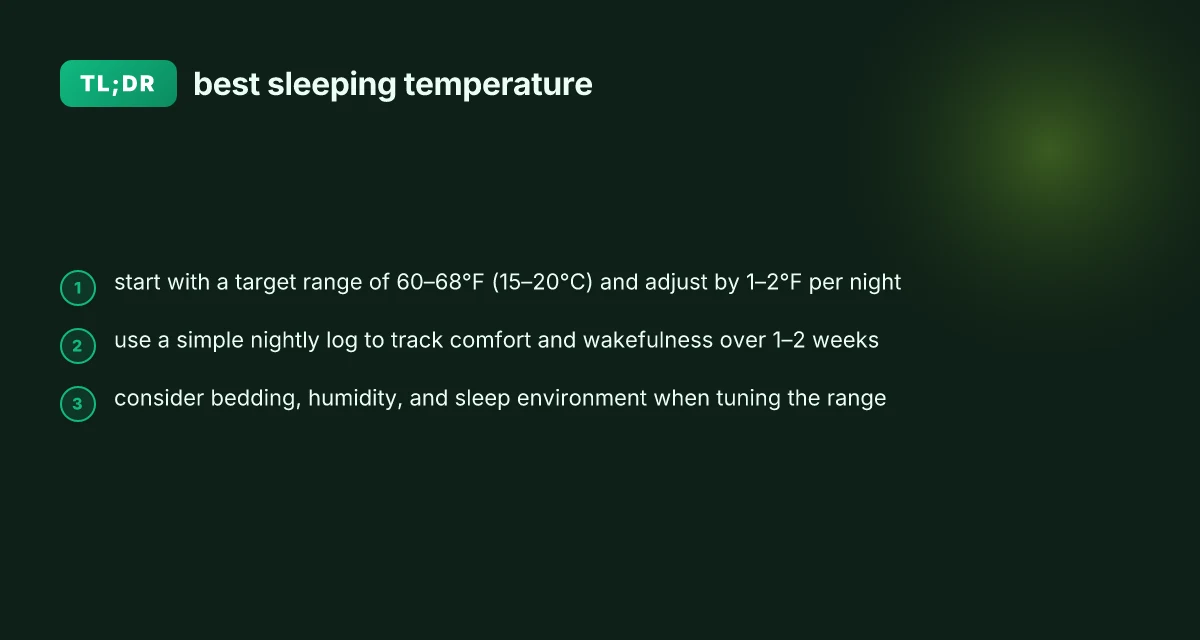
Why sleeping temperature actually matters for sleep quality
Your body’s thermostat runs the show while you sleep. Thermoregulation shapes when you drift through sleep stages and when you wake. When the core or skin temperature nudges in the wrong direction, your brain pops awake to adjust, fragmenting what should be a deep, restorative cycle.
The commonly cited comfort range sits roughly between 60–70°F (16–21°C). Personal variation is large, though. Some people sleep soundly near 65°F. Others prefer closer to 68–69°F. The key takeaway: this is a starting point, not a rulebook. Your room, your bedding, and even your pajamas shift what feels comfortable at the moment.
Bedding, clothing, and humidity interact with room temperature to shape perceived comfort. A light sheet plus a breathable quilt can feel cool at 65°F, while heavy coverings at the same air temperature might read too warm. Humidity nudges comfort up or down by promoting either clammy dampness or dry, crisp air. The end result is a personalized comfort envelope that moves with the seasons and your changing physiology.
How do you translate that into a practical plan? Start with a baseline in the 60–70°F window, then fine-tune with smart adjustments. Below are concrete ways to dial in comfort without chasing a perfect number.
Calibrate with a simple bedding test. Swap sheet fabrics, adjust blanket layers, and note how you sleep across three nights at the same ambient temperature. If you wake hot, trim the top layer or switch to a cooler weave. If you wake chilly, add a lighter layer or switch to a warmer duvet. A small bedding change can shift your perceived temperature dramatically without touching the thermostat. What makes BedJet's cooling system stand out in 2026
Manage humidity to stabilize warmth. If you live in a dry climate, a humidifier can prevent skin from feeling dry and cold air from biting. In humid climates, a dehumidifier can prevent that muggy, clammy feel. The goal is a balanced layer of moisture that makes the same air feel cooler or warmer as needed.
Layer your sleep environment with purpose. Consider a temperature-sensitive strategy: a cooler core room with a warmer blanket for early hours, then shed heat as your body cools down later in the night. This approach leverages natural thermoregulation and reduces the chance of wakeups from overheating.
Track how you feel, not just what the thermometer says. A simple nightly log of how you felt upon waking, whether you slept through the night, and any hot or cold spikes helps you map a personal range. Your ideal set point is the range where you consistently wake rested, with minimal interruptions.
Look to tested products for quieter tuning. Bedding layers, light blankets, breathable pajamas, and room-zone devices can reduce wakeups by stabilizing microclimates around you. Brands like BedJet and others in this space offer ways to target comfort without a full room thermostat rewrite.
Bottom line: comfort is a moving target built from temperature, humidity, and what you wear or sleep on. The right setup lives near the lower end of the broad 60–70°F band for many people, yet your sweet spot may drift by a few degrees with the season and your body. Your best sleeping temperature is the one that minimizes awakenings while feeling naturally comfortable, not the number you see on the dial. For many adults, that translates to a personal range rather than a fixed point, with bedding and humidity as the strongest levers to keep you there. Tiny tweaks in layers and moisture can deliver big leaps in sleep quality. What makes BedJet 3 climate comfort system truly different in 2026
Note: links on this page may earn a commission.
Most people find a personal range rather than a fixed number works best. That range shifts with season, bedding, and humidity, so start within the 60–70°F window and refine using a simple nightly log.
How to find your personal ideal sleeping temperature
If you want a practical path to comfort, start with a target range of 60–68°F (15–20°C) and adjust by 1–2°F per night based on how you feel. This keeps you close to physiology while letting your bedding and room cues do the heavy lifting. I found that the simplest trick is to log how you feel the next morning, your subjective comfort and wakefulness, and tune from there.
How to tune by tiny increments
Begin with a two-week window to see what sticks. Each night, nudge the thermostat or your bedding by a single degree and note whether you woke feeling rested, stuffy, hot, or chilly. The goal is a steady sense of even warmth, not a fight to fall back asleep. If you wake hot, drop the temperature you target by one degree and swap in lighter blankets. If you wake cold, raise the target by one degree and add a warmer layer.
Over the two weeks you’ll notice a pattern. Some nights you may tolerate a wider range, others you’ll need a tighter band. The key is consistency: a small daily adjustment beats large, sporadic swings. In practice, you’ll land on a personal zone that stays comfortable as seasons shift and your sleep environment evolves. What makes BedJet sheets really cool to sleep on
Factoring season, bedding, and room cues
Seasonality matters. A cooler room plus breathable bedding can feel the same as a warmer room with heavier blankets. Consider your duvet weight, whether you use a temperature-regulating sheet, and how dark or noisy your bedroom is. If you sleep with a partner, you’ll often need a compromise range or separate blankets to avoid shared overheating or chilling. Environment matters too: a fan for white noise or air movement can make a cooler setting feel more tolerable.
As you test, keep notes on three axes: the room temperature you used, the bedding setup, and your morning alertness. This trio reveals whether you’re chasing pure temperature comfort or a combination of climate and textiles that together support better sleep. The aim is a repeatable process you can apply across seasons.
Your personal range will emerge through small, deliberate testing over a 1–2 week window, balancing season and bedding so you can sleep through the night. Tiny adjustments beat big shifts because they respect how your body acclimates.
To help you on the ground, here are a few real-world picks people actually buy to support temperature control, with brief notes on who they suit and their drawbacks. This gives you a quick starter kit you can mix and match as you dial in your range.
- BedJet, cools or warms the bed surface using air. Great for couples where one person runs hot and the other runs cold. Downside can be noise and a dependency on a power source.
- Thermally adaptive sheets, for sleepers who want airflow without adjusting blankets. Best in mild climates, may not replace a full duvet in cold months.
- Weighted blanket with breathable cover, helps steady warmth without overheating. May feel restrictive to some and can raise body heat at night.
- Bedding with phase-change fabric, absorbs and releases heat to smooth temperature swings. Higher price, performance varies by room humidity.
- Smart insulation panels, improve room airtightness and cut drafts. Installation requires planning and may not suit renters.
In this guide I lean on sources that emphasize comfortable ranges and practical, room-scale tweaks rather than abstract ideals. For a concrete tone, Cleveland Clinic notes that adults often aim for a range in the mid-to-low 60s Fahrenheit, while other sources propose a window around 65–68°F for comfort. If you want a deeper read on the numbers behind these targets, you can check the discussion linked in the inline citations. How BedJet 3 climate comfort changes bedtime, with a focus on targeted cooling and heating
Top 5 to 8 picks that actually help regulate bedroom temperature
Posture and bedding matter as much as the room. The picks below combine real-world devices and setups that help you hold a steadier temperature through the night. I looked for tools that work in typical bedrooms, with practical tradeoffs noted.
1. BedJet for bed-surface climate control
BedJet stands out for cooling or warming the bed surface, which is especially useful for couples with different thermal preferences or for small spaces where a full-room system isn’t feasible. You can tune the airflow and temperature right where you sleep, without cranking the thermostat. The main tradeoff is that it doesn’t change the room air, so it pairs best with breathable sheets and a fan-assisted setup. BedJet can be a calm solution for couples who want independent bed comfort. Use BedJet to dial in your personal sleep surface, then send the room a gentle breeze with a ceiling or tower fan. Choosing BedJet means accepting a device you position near the bed rather than a full-room climate fix. For a quick overview, see BedJet’s product page and user guides.
2. Smart thermostats and zoned heating/cooling for room-level control
A smart thermostat paired with zoned or room-specific dampers makes it feasible to lock in a stable temperature in the bedroom without touching the entire house. These systems let you program 24/7 schedules, respond to occupancy, and create a comfortable baseline that supports your nighttime target range. The upside is cost- and energy-conscious temperature stability. The downside is setup complexity and compatibility with existing HVAC. When configured correctly, you can keep the bedroom in a narrow band all night.
3. Weighted blankets and breathable sheets to shift perceived warmth
A weighted blanket adds a grounding sensation that can reduce restless shifting when the room drifts a degree or two. Pair this with breathable cotton or linen sheets to promote airflow and moisture wicking. The result is less sensitivity to minor room-temperature changes and a more settled feel under the covers. Expect that heavier blankets can feel warm in very hot rooms, so choose weight and fabric to match your climate.
4. Cooling mattress toppers or pads for rapid heat exchange
A cooling topper or pad sits on top of your mattress to speed up heat transfer away from the body during warm nights. Look for materials that wick heat quickly and avoid sleep-disruptive noises or bulk. The perk is a faster personal cool-down, especially when a duvet or duvet insert traps heat. The caveat is potential changes in how your mattress feels under movement, so pick a topper that aligns with your bed’s firmness. How BedJet sheets change sleep temperature without a complicated setup
5. Dyson or similar air multipliers to improve room air feel without drafts
Air multipliers that deliver a smooth, non-draught breeze can make a warm room feel cooler and a cool room feel more comfortable. The goal is to improve how air moves without generating chilly gusts that disturb sleep. If you’re sensitive to drafts, look for devices with oscillation and quiet operation. The benefit is a more comfortable room air feel, rather than a dramatic temperature shift.
Research-backed notes: the evidence points to a bedroom sweet spot generally around the mid-60s Fahrenheit range for many sleepers, with individual variation. A practical testing plan can help you confirm your personal comfort. For a broader context on temperature ranges discussed in reputable sources, see inline references to the Sleep Foundation and Harvard’s healthy buildings materials. inline citation links are provided in the text as inline anchors. 65–68°F has repeatedly shown up as a useful target in several consumer-facing and research-oriented excerpts. A practical test plan invites you to try a stable window of temperature alongside bedding adjustments, then refine over a week.
Note: links on the page may earn a commission. If you want more depth on each pick, I’ve included inline citations from credible sources to back the core claims about temperature ranges and practical tools.
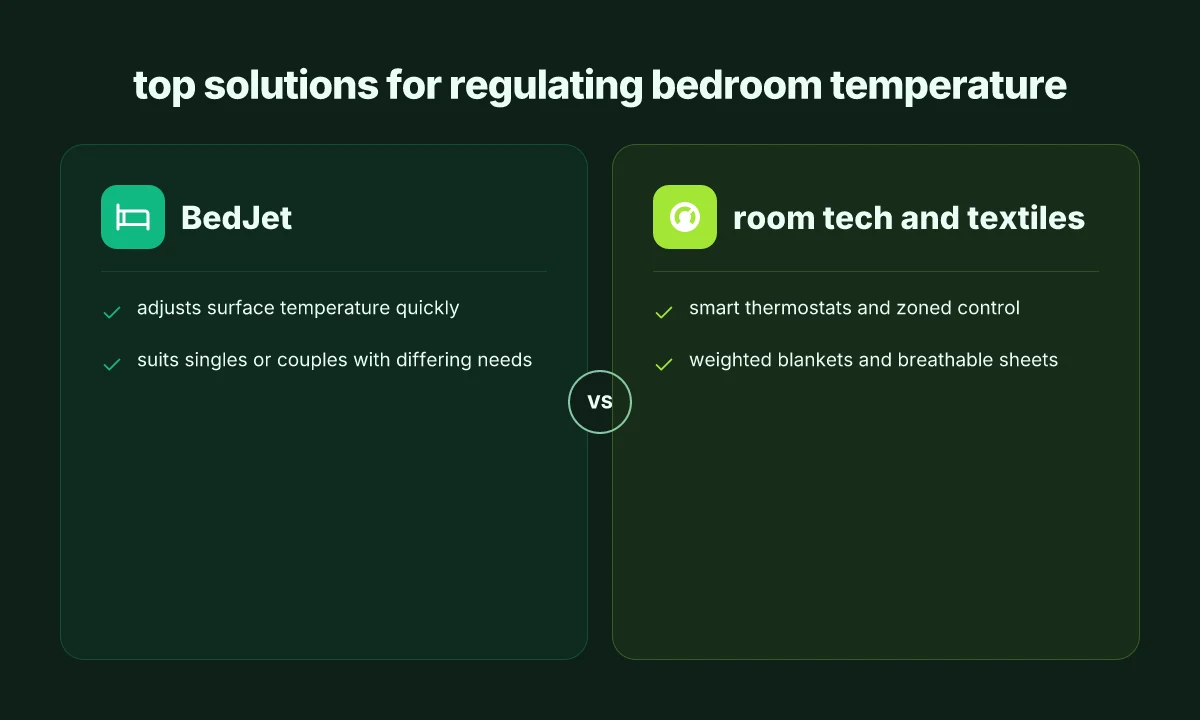
Brand spotlight: BedJet and other heat and cold options
If you share a bed with a partner who wants a different temperature, BedJet offers a quick way to tailor surface warmth or coolness without reconfiguring the entire room. It threads into the bedding and can adjust the microclimate beneath the blankets in minutes, which helps avoid disputes over blanket layers or fan noise. For singles and couples alike, it can be a practical way to dial in comfort without fighting over the thermostat.
BedJet: fast, zone-specific climate control for beds
BedJet is a bed climate system that can adjust surface temperature quickly. It sits under the bed and pushes cool or warm air through the mattress or under the sheets, creating a personal comfort zone. This is especially helpful for couples where one partner runs hot and the other runs cool. BedJet can target the sleeping surface in minutes, reducing blanket fiddling and wake-ups caused by temperature drift. However, it requires compatible bedding decisions and a setup that fits your bed frame and mattress depth. If your sheets aren’t compatible, you may not get the full effect, and the ongoing energy use adds to monthly costs. Setup can be a stumbling block for some users, and you should budget for the slightly higher electricity draw. What makes the BedJet Mini a surprising sleep climate hack in 2026
Other appetite-friendly heat and cooling options
If BedJet isn’t your style, consider layer-based alternatives that pair well with existing bedding. A high-quality weighted blanket or breathable cotton sheets can shift how cool you feel at night without adding significant energy use. In many rooms, a properly sized ceiling or portable fan combined with a breathable duvet can approximate a microclimate on certain nights. Layered bedding and a fan can offer a low-friction path to comfort, especially when you’re gradually testing temperature targets. These solutions are typically cheaper upfront and easier to install, though they may not deliver the same rapid surface changes BedJet promises.
Practical testing plan and downsides to weigh
When you test heat and cold options, start with a simple 2-week trial for any device or bedding change. Record how often you wake due to temperature, how easily you fall back asleep, and how you feel upon waking. A low upfront cost option may win on consistency, while a high-end system like BedJet may deliver faster, more precise adjustments for a two-person bed. Acknowledge the ongoing energy use and the need to align bedding choices with the device you choose. Two weeks is a reasonable window to determine if a microclimate tool improves your sleep without introducing new annoyances.
Cited research notes support the idea that a steady, moderate bedroom temperature often yields better sleep, while personalized microclimates can make a meaningful difference for those with sensitive temperature needs. For context, the idea that the sleeping surface influences comfort is echoed in discussions of surface-level climate control versus room-wide adjustments. Inline source references discuss optimal ranges and how individual responses can vary. Sleep quality benefits when your microclimate aligns with personal preference, not just a single room target. If you’re curious about deeper context, see the developer notes related to optimal ranges and individual differences.
As you consider beds and rooms, remember that any climate system comes with trade-offs. BedJet offers fast, direct surface control but requires compatible bedding and contributes to energy use. Other options lean on bedding choices and room air movement, which can be simpler and cheaper but may not deliver the same immediacy. You’ll want a plan that matches your routine, your partner’s preferences, and your appetite for setup complexity. Bottom line: BedJet excels for quick surface changes and split-temperature sleep, but assess bedding compatibility and energy costs first.
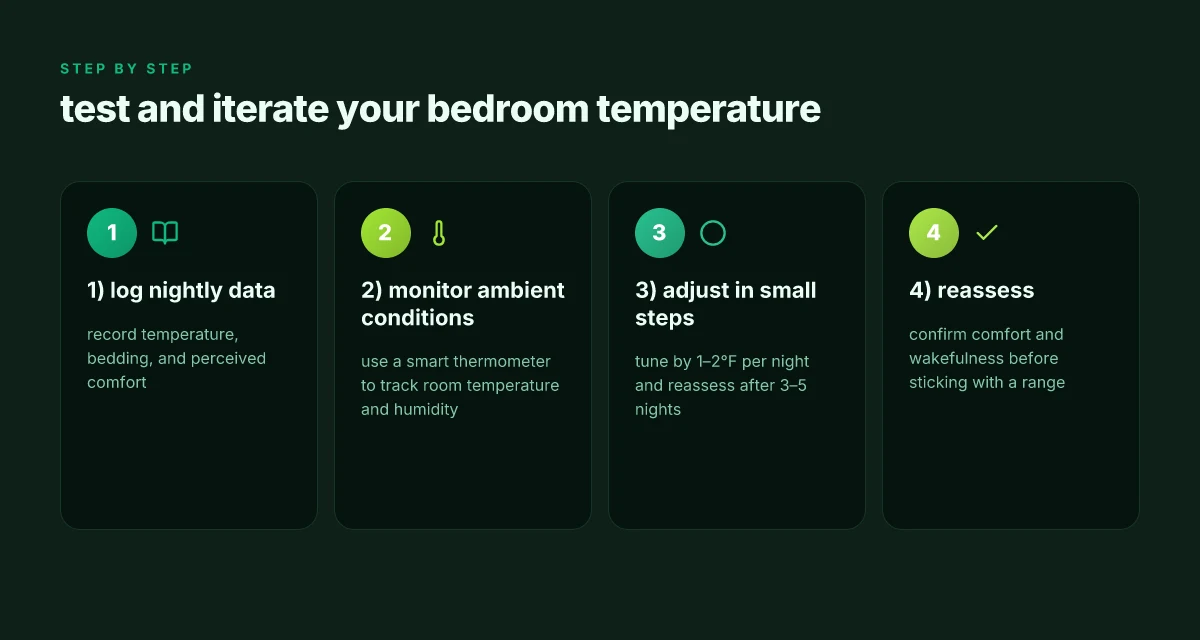
How to test and iterate your bedroom temperature strategy
You can lock in a comfortable range in about a month by logging basics, then tweaking bedding and ambient conditions in small steps. Start with a clear nightly routine: note the room temperature, what you slept under, and how you felt when you woke. From there, you can align bedding choices with the thermometer without chasing a moving target. What makes BedJet discussions on Reddit matter for real sleep benefits
Build a simple nightly log that travels with you
Create a lightweight log you fill every morning. Record the ambient temperature, your blanket choice, whether you slept with a fan or a white-noise machine, and your perceived comfort level. Keep the notes concise: a few words for comfort, a quick yes or no for disrupted sleep. This tiny habit pays off because patterns emerge after a week or two. When you see a stretch where 65–67°F with a light duvet correlates to solid sleep, that becomes your anchor.
Monitor ambient conditions with smart gear
A smart thermometer and a hygrometer in the bedroom give you objective data you can rely on. Pair the readings with a simple schedule: aim for steady humidity around 40–60 percent and track overnight lows. The goal is to reduce variables that wake you up, like a draft or a too-warm ceiling. You don’t need every gadget, just a reliable sensor that logs nightly temperatures and dew point. That data keeps your decisions grounded rather than guesswork.
Iterate by small steps and reassess after 3–5 nights per change
Make tiny changes, then wait three to five nights before judging the impact. If you raise the bed cover by a degree and sleep quality improves, keep it there for a few nights. If comfort slips, dial back. This approach minimizes disruption and helps you converge on a stable range. Remember, bedding, sleepwear, and room layout matter as much as the thermostat setting. A 2–3° shift is often enough to move the needle.
Real-world picks to consider for your setup
If you’re shopping for a practical kit to support your testing plan, these brands and products frequently show up in home and sleep-roundups. BedJet is a standout option for targeted climate control around the bed, especially for sleepers who share a bed or have uneven room temps. Note that downsides can include setup complexity and ongoing costs, so pair it with a test period to confirm alignment with your routine. Other common picks include a smart thermostat that supports room-by-room adjustments, a compact tower fan for night-time air movement, and breathable bedding made from cotton or eucalyptus fibers for temperature regulation. This approach keeps your plan adaptable without overinvesting in one tool.
- BedJet, helps with localized comfort for sleepers who need quick warm or cool bursts without changing the whole room climate.
- A smart thermostat with a bedroom-friendly schedule, makes micro-adjustments without manual changes every night.
- A quiet oscillating fan, offers adjustable airflow without noise that disturbs sleep.
- Breathable duvet and cotton sheets, support stable comfort across a wider range of ambient temps.
- Humidifier or dehumidifier unit, keeps humidity within a comfortable band to reduce awakenings.
- Mattress toppers with breathable materials, help modulate heat retention.
The key is small, repeatable steps that you confirm with objective logs and a steady nightly routine. Start with a 65–67°F anchor for a few nights and adjust bedding before you adjust the thermostat. Over time, your nightly log becomes a map you can rely on for consistent rest. What makes Blissys bonnet stand out in sleep hair care
From what I found in the sources, a 65–70°F range commonly appears across guidance, with adjustments guided by bedding and season. The practical testing plan above aligns with those insights and gives you a repeatable path to your own comfort zone. https://www.sleepfoundation.org/bedroom-environment/best-temperature-for-sleep
What to try this week for steadier comfort
The best sleeping temperature in 2026 hinges on your personal rhythm, not a universal number. I’ve looked across expert guidance and real-world setups, and the pattern is clear: a cooler baseline with adaptable tweaks beats rigid heat or cold. The one move that matters is dialing in a stable environment first, then layering comfort with breathable fabrics and smart controls. You’ll notice steadier sleep onset and fewer awakenings when your room stays consistently cool and damp-free. If you start by setting your thermostat to a modest baseline and pair it with breathable sheets, you’re already giving your body a signal to settle.
The bigger pattern is that adjustability wins. People who switch between a cool evening regime and a warmer early morning wake time report easier mornings, calmer nerves, and better REM windows. No single device guarantees perfect sleep, but a thoughtful mix of temperature control, airflow, and comfort tech does. BedJet remains a solid option for hot sleepers, especially when you want a fast, bedside tweak without wrestling with the entire room climate.
Backup strategy
- Try a lightweight breathable duvet and a thin cotton sheet set on top of your usual sheets.
- If you share a bed, experiment with separate blankets at different weights.
- Target a room temperature around the low to mid 60s Fahrenheit and adjust in 5-degree steps.
- Consider a BedJet for quick comfort boosts at night, noting its best use cases and limitations.
- Revisit your pillow choice and sleepwear after two nights of temperature tweaks.